

Sep . 01, 2025 01:40 Back to list
Leading Diamond Steel Grating Factory | Durable & Safe Gratings
Unveiling Excellence: The Role of a Modern diamond steel grating factory
In industrial infrastructure, the integrity and performance of foundational components are paramount. Steel grating, a critical element in countless applications, provides essential support, safety, and functionality. This article delves into the intricate world of steel grating manufacturing, focusing on the sophisticated operations of a contemporary diamond steel grating factory. We will explore the latest industry trends, detailed technical specifications, diverse application scenarios, and the inherent advantages offered by high-quality steel grating. Furthermore, we will provide insights into vendor selection, custom engineering solutions, real-world case studies, and the robust quality assurance practices that define leading manufacturers. Our objective is to furnish B2B decision-makers and engineering professionals with comprehensive knowledge, enabling informed procurement and partnership decisions.
Industry Trends Shaping Steel Grating Manufacturing
The global steel grating market is experiencing dynamic shifts, driven by evolving industrial demands, technological advancements, and a heightened focus on sustainability. Key trends influencing a modern diamond steel grating factory include:
- Advanced Material Science: Beyond traditional carbon steel, there's increasing demand for specialized alloys like stainless steel (e.g., 304, 316L) and aluminum for enhanced corrosion resistance, lighter weight, and specific environmental compatibility, particularly in marine, chemical processing, and cleanroom applications.
- Automation and Robotics: Precision manufacturing, particularly in electro-forge welding processes, benefits significantly from automation, leading to higher consistency, reduced labor costs, and faster production cycles. Robotic welding ensures exact alignment and stronger, more uniform joints.
- Sustainability and Lifecycle Assessment: Manufacturers are increasingly adopting eco-friendly production methods, minimizing waste, and offering products with extended service life and recyclability. Hot-dip galvanizing, for instance, provides exceptional longevity, reducing replacement frequency.
- Customization and Modular Solutions: The need for bespoke designs that fit precise architectural and engineering requirements is growing. This includes custom panel sizes, cut-outs for pipes and structural elements, and specific load-bearing capacities. Modular systems offer faster installation and greater adaptability.
- Enhanced Safety Features: Focus on anti-slip surfaces (serrated grating), compliant clear openings for ADA requirements, and robust securing mechanisms (clips, weld-down anchors) to mitigate workplace hazards.
These trends collectively underscore the necessity for diamond steel grating manufacturers to be agile, technologically advanced, and deeply committed to quality and innovation to meet the complex demands of modern industrial projects.
The Manufacturing Process at a Modern Diamond Steel Grating Factory
The production of high-performance steel grating is a meticulous process, demanding precision and adherence to stringent quality controls. A leading diamond steel grating factory typically employs advanced techniques to ensure product integrity. The primary material used is usually high-grade carbon steel (e.g., ASTM A36, A1011), stainless steel (e.g., 304, 316L), or aluminum alloys.
Process Flow:
1. Material Selection & Preparation
High-quality steel coils or bars are sourced, inspected for chemical composition and mechanical properties. Bearing bars and cross bars are cut to precise lengths and dimensions using automated shears or laser cutting, ensuring minimal material waste and accurate sizing.
2. Fabrication (Electro-Forging or Press-Locking)
Electro-Forge Welding: Bearing bars are positioned vertically, and pre-cut cross bars are resistance-welded under high heat and pressure, fusing them into a robust, monolithic panel. This method ensures exceptional strength and durability. Press-Locking: Pre-notched bearing bars and cross bars are pressed together under intense hydraulic pressure, forming a rigid interlocking structure without welding. This provides a clean aesthetic and excellent lateral stability.
3. Panel Finishing & Customization
Completed panels are cut to final dimensions, with any necessary banding, notching, or toe-plate attachments performed. This stage includes creating specific cut-outs for structural elements, pipes, or other utilities as per client specifications.
4. Surface Treatment
Hot-Dip Galvanizing: The most common and effective treatment. Grating is immersed in molten zinc (typically 450°C), creating a metallurgical bond that provides superior corrosion resistance (to ASTM A123/A123M, ISO 1461 standards) and an average service life of 20-50 years in most environments. Painting/Powder Coating: Offers aesthetic appeal and additional corrosion protection, often chosen for specific color requirements. Mill Finish: For stainless steel or aluminum where inherent corrosion resistance is sufficient.
5. Quality Control & Testing
Each batch undergoes rigorous inspection, including visual checks for defects, dimensional verification, load-bearing capacity tests (to ANSI/NAAMM MBG 531, AS 1657 standards), slip resistance measurements, and adhesion tests for galvanized coatings. Documentation ensures traceability and compliance.
6. Packaging & Shipping
Finished grating panels are bundled, strapped, and protected to prevent damage during transit. Custom packaging solutions are available for international shipping or complex projects.
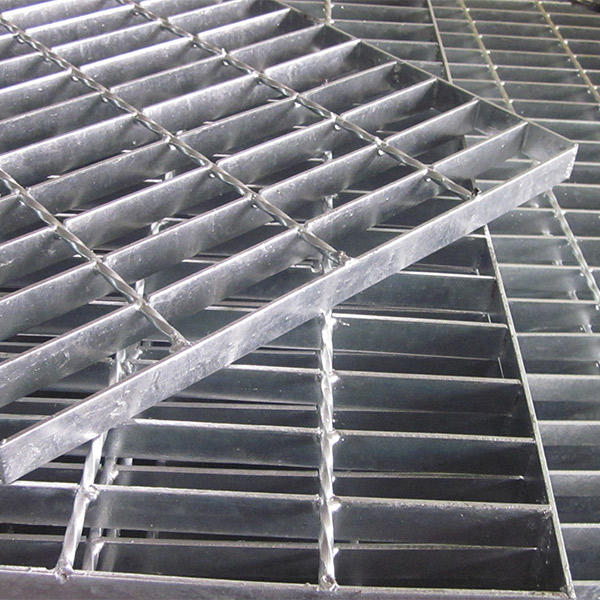
Image 1: Precision fabrication at a leading diamond steel grating factory.
The robust manufacturing processes employed by a leading diamond steel grating factory ensure products that offer significant advantages, such as superior energy efficiency in terms of light and air flow, excellent corrosion resistance due to advanced surface treatments, and an extended service life crucial for target industries like petrochemicals, metallurgy, and water supply & drainage.
Technical Specifications and Performance Parameters
Understanding the technical specifications is crucial for selecting the appropriate steel grating. Key parameters include bearing bar size, spacing, cross bar spacing, material grade, and surface treatment. These factors directly influence the grating's load-bearing capacity, deflection characteristics, and suitability for specific environments.
Common Steel Grating Specifications (Typical Carbon Steel, Hot-Dip Galvanized)
| Grating Type | Bearing Bar Size (mm) | Bearing Bar Pitch (mm) | Cross Bar Pitch (mm) | Material Grade | Max Uniform Load (kPa) for 1000mm Span | Approx. Weight (kg/m²) |
|---|---|---|---|---|---|---|
| 25x3 Plain | 25x3 | 30 | 100 | Q235/A36 | 7.5 | 20.5 |
| 30x5 Plain | 30x5 | 30 | 100 | Q235/A36 | 22.3 | 33.5 |
| 40x5 Plain | 40x5 | 30 | 100 | Q235/A36 | 40.0 | 43.0 |
| 30x3 Serrated | 30x3 | 30 | 100 | Q235/A36 | 10.8 | 23.5 |
| 40x4 Serrated | 40x4 | 30 | 100 | Q235/A36 | 29.2 | 38.0 |
Load capacities are indicative and depend on specific design, material, and manufacturing tolerances. Always consult detailed load tables and engineering specifications.
Key Application Scenarios and Their Advantages
The versatility of steel grating makes it indispensable across a spectrum of industrial and commercial applications. The inherent advantages of robust, well-manufactured grating from a reliable diamond steel grating factory become evident in critical environments.
-
Petrochemical and Oil & Gas: Used for platforms, walkways, stair treads, and trench covers in refineries, offshore rigs, and chemical plants.
- Advantages: Excellent drainage prevents pooling of hazardous liquids, high strength supports heavy equipment and personnel, and anti-corrosion treatments withstand aggressive chemical exposures.
-
Metallurgy and Mining: Foundry floors, conveyor walkways, and maintenance platforms in steel mills, smelters, and mining facilities.
- Advantages: Durability to withstand extreme temperatures and heavy loads, open design allows for ventilation and prevents accumulation of debris.
-
Water Treatment and Drainage: Walkways over clarifiers, access platforms for pumping stations, and channel covers for wastewater treatment plants.
- Advantages: Superior corrosion resistance (especially stainless steel or specialized coatings), high strength for constant foot traffic, and efficient drainage of water and sludge.
-
Power Generation: Boiler platforms, turbine deck walkways, and cable trench covers in conventional and renewable energy plants.
- Advantages: Structural integrity under dynamic loads, fire resistance, and safety for personnel in high-voltage environments.
-
Architectural and Commercial: Facade elements, sun shades, pedestrian bridges, and mezzanines in modern buildings.
- Advantages: Aesthetic appeal with functional light and air penetration, custom designs, and long-term durability with minimal maintenance.

Image 2: Steel grating in heavy industrial applications, demonstrating strength and durability.
In each of these scenarios, the selection of the correct grating type and surface treatment, supplied by a reputable diamond steel grating supplier, is crucial to optimize performance, ensure safety, and maximize the operational lifespan.
Technical Advantages of High-Quality Steel Grating
Investing in high-quality steel grating from an experienced diamond steel grating factory offers a multitude of technical advantages that translate into long-term operational efficiency and safety.
- Exceptional Strength-to-Weight Ratio: Steel grating provides remarkable load-bearing capacity relative to its weight, optimizing structural design and reducing overall material usage. This makes it ideal for elevated platforms and mezzanines.
- Superior Corrosion Resistance: Through processes like hot-dip galvanizing (per ISO 1461), steel grating develops a robust, sacrificial zinc coating that protects against rust and environmental degradation for decades, significantly reducing maintenance costs.
- Enhanced Safety (Anti-Slip Properties): Serrated grating options provide superior slip resistance, crucial in wet, oily, or icy conditions, thereby enhancing worker safety and reducing accident risks.
- Optimal Ventilation and Light Penetration: The open mesh design allows for free flow of air, heat, and light, contributing to better ambient conditions, reduced energy costs for lighting and HVAC, and improved visibility in industrial settings.
- Durability and Longevity: Engineered to withstand harsh industrial environments, heavy traffic, and significant impacts, quality steel grating boasts an extended service life, typically ranging from 20 to over 50 years with proper maintenance.
- Ease of Installation and Maintenance: Pre-fabricated panels and standard fixing clips facilitate quick and efficient installation. The open structure also minimizes debris accumulation, simplifying cleaning and inspection procedures.
These advantages underscore why steel grating remains a preferred choice for demanding industrial and commercial applications globally.
Vendor Comparison: Choosing the Right Diamond Steel Grating Factory
Selecting the ideal diamond steel grating factory requires a thorough evaluation of several critical factors beyond just price. Decision-makers should consider the following to ensure a reliable partnership and high-quality product delivery.
Key Factors for Vendor Evaluation
| Criteria | Premium Diamond Steel Grating Factory | Standard Diamond Steel Grating Factory | Budget Supplier |
|---|---|---|---|
| Certifications & Standards | ISO 9001, CE, ASTM, ANSI/NAAMM, AS 1657. Full traceability. | ISO 9001, adherence to major local standards. Limited traceability. | Basic certifications, may not meet international standards. |
| Manufacturing Technology | Advanced robotic electro-forge welding, CNC cutting, automated galvanizing. | Semi-automated welding, manual cutting, standard galvanizing. | Mostly manual processes, older equipment. |
| Customization & Engineering | Full design engineering, CAD/CAM integration, complex fabrications. | Standard cut-outs and panel sizes, limited complex designs. | Off-the-shelf products, minimal customization. |
| Quality Control & Testing | In-house metallurgical lab, destructive/non-destructive testing, detailed reports. | Visual inspections, basic dimensional checks. External lab if required. | Minimal quality checks. |
| Customer Support & Warranty | Dedicated project management, comprehensive warranty, after-sales support. | Standard support, limited warranty. | Minimal or no warranty/support. |
| Lead Times | Optimized for complex projects, reliable schedules (e.g., 3-6 weeks). | Standard projects, variable schedules (e.g., 4-8 weeks). | Longer, less predictable lead times. |
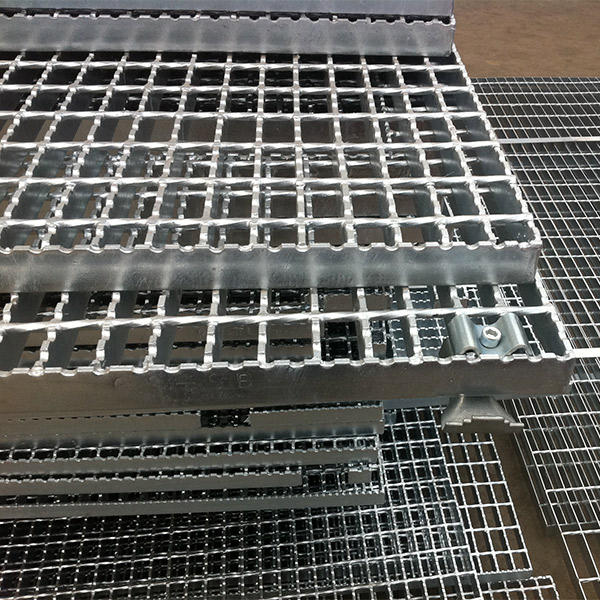
Image 3: Diverse steel grating products ready for shipment from a sophisticated facility.
By carefully weighing these factors, businesses can align with diamond steel grating suppliers that not only meet their technical requirements but also provide the necessary assurances for project success and long-term reliability.
Customized Solutions and Engineering Capabilities
Many industrial projects demand more than standard off-the-shelf products. A leading diamond steel grating factory excels in providing bespoke engineering solutions, meticulously tailored to specific client needs. This encompasses a broad range of customization options:
- Unique Panel Dimensions: Grating panels can be fabricated to non-standard lengths and widths to fit unusual structural layouts, minimizing on-site cutting and waste.
- Complex Cut-Outs and Notches: Precision CNC cutting allows for intricate shapes and cut-outs to accommodate pipes, columns, machinery bases, and other obstructions, ensuring a seamless fit.
- Specialized Load-Bearing Capacities: Engineers can design grating with specific bearing bar dimensions and spacing to achieve precise load ratings, crucial for heavy-duty industrial platforms or vehicle access.
- Material & Finish Options: Beyond standard galvanized carbon steel, options include various grades of stainless steel (e.g., 304, 316L for corrosive environments), aluminum (for lightweight applications), and custom powder coatings for aesthetic or additional protective purposes.
- Attachment Methods: Custom attachment solutions such as weld-down connections, heavy-duty saddle clips, or specialized fasteners can be incorporated to suit structural requirements and installation preferences.
- Integrated Stair Treads and Landings: Design and fabrication of complete access solutions, including stair treads with nosings, landing platforms, and guardrail integration, ensuring consistency and compliance.
The ability to provide detailed engineering drawings, 3D modeling, and perform structural analysis is a hallmark of truly capable diamond steel grating manufacturers. This collaborative approach ensures that the final product not only meets functional requirements but also integrates perfectly with the overall project design.
Real-World Application Case Studies
The practical success of steel grating is best illustrated through its application in challenging environments. While specific company names are withheld, these generalized case studies highlight the impact of a reliable diamond steel grating factory.
-
Case Study 1: Offshore Oil Platform Decking
A major energy company required robust, anti-slip decking for an offshore oil platform. The solution involved custom-fabricated 316L stainless steel serrated grating, hot-dip galvanized for extreme corrosion resistance in a marine environment. The grating's open design allowed for critical drainage and prevented ice accumulation, enhancing safety for personnel and facilitating maintenance access to submerged equipment. The longevity and minimal maintenance requirements exceeded client expectations, demonstrating the value of precise engineering from an experienced diamond steel grating factory.
-
Case Study 2: Wastewater Treatment Plant Walkways
A municipal wastewater treatment facility needed durable, chemical-resistant walkways over clarifier tanks and access to pumping equipment. Galvanized carbon steel grating with standard bearing bar spacing (30x100mm) was specified, chosen for its excellent chemical resistance to typical wastewater contaminants and high load-bearing capacity for frequent foot traffic. The quick installation time and long service life significantly reduced downtime during facility upgrades.
-
Case Study 3: Industrial Power Plant Mezzanine
A new power plant required an extensive mezzanine system for access to critical machinery. The project utilized heavy-duty plain carbon steel grating (40x5mm bearing bars, 30mm pitch), hot-dip galvanized. Custom cut-outs for vertical pipe runs and machinery mounts were pre-fabricated at the diamond steel grating factory, ensuring precise fit and rapid on-site assembly. The open design facilitated airflow for cooling critical equipment and allowed ample light penetration, improving overall plant safety and operational efficiency.

Image 4: Steel grating providing safe access and structural integrity in a heavy industrial setting.
These examples underscore the critical role of superior fabrication and material selection by a specialized diamond steel grating factory in delivering solutions that meet stringent industry demands and provide lasting value.
Quality Assurance and Certifications
Adherence to rigorous quality assurance protocols and international standards is a non-negotiable aspect of a reputable diamond steel grating factory. Certifications serve as a testament to consistent quality, reliability, and compliance with global best practices.
- ISO 9001:2015 Certification: This internationally recognized standard for quality management systems ensures that the factory consistently provides products and services that meet customer and regulatory requirements, and aims to enhance customer satisfaction through effective application of the system.
- ASTM Standards: Compliance with American Society for Testing and Materials (ASTM) standards, such as ASTM A36 for structural steel, ASTM A123/A123M for hot-dip galvanizing, and ASTM F2417 for specific grating types, guarantees material quality and coating performance.
- ANSI/NAAMM MBG 531: The National Association of Architectural Metal Manufacturers (NAAMM) Metal Bar Grating Manual provides guidelines for load tables and design practices, ensuring products meet established engineering performance criteria.
- CE Marking: For products destined for the European market, CE marking indicates conformity with health, safety, and environmental protection standards.
- In-House Testing Facilities: Leading manufacturers operate their own testing labs for load testing, deflection analysis, slip resistance measurement, and coating adhesion tests, ensuring every batch meets specifications before shipment.
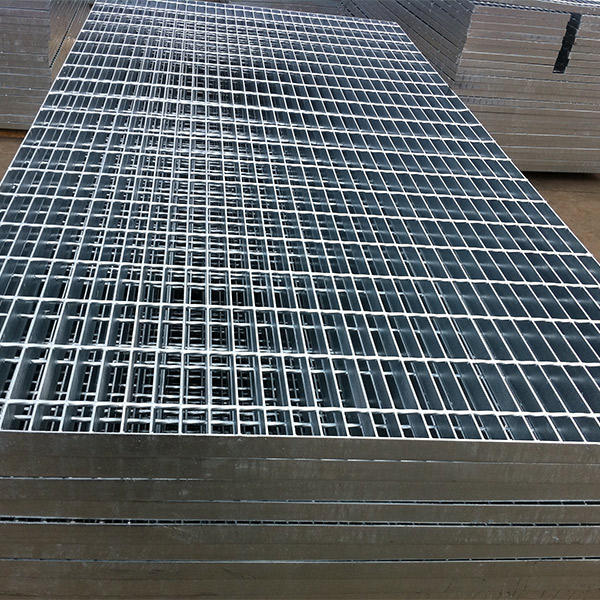
Image 5: Rigorous quality inspection of finished steel grating panels.
These certifications and robust testing regimes provide clients with absolute confidence in the products supplied by a premium diamond steel grating factory.
Logistics, Lead Times, and Customer Support
Beyond product quality, the efficiency of logistics, transparency in lead times, and responsive customer support are pivotal for successful project execution.
- Lead Time & Fulfillment: Standard grating typically has a lead time of 3-5 weeks from order confirmation to shipment for hot-dip galvanized products. Complex custom orders or large volumes may require 6-8 weeks, depending on design complexity and current production schedules. Efficient project management ensures transparent communication and adherence to agreed timelines.
- Logistics & Shipping: Experienced diamond steel grating suppliers manage global shipping, offering various options (FOB, CIF, DDP) and ensuring secure packaging to prevent damage during transit. Detailed documentation, including customs declarations and certificates of origin, is provided.
- Warranty Commitments: A comprehensive warranty typically covers manufacturing defects and material integrity for a period of 1 to 5 years, depending on product type and application. Hot-dip galvanizing often carries an extended performance guarantee. Specific terms are provided with each order.
- Customer Support & After-Sales Service: Dedicated account managers and technical support teams are available to assist with inquiries, installation guidance, and any post-delivery concerns. This commitment to ongoing support reinforces client trust and ensures long-term satisfaction.
Frequently Asked Questions (FAQ)
-
Q1: What are the primary types of steel grating available?
A1: The main types are welded steel grating (most common, electro-forge welded), press-locked grating (interlocking bars), and swage-locked grating (swaged cross bars). Each offers distinct advantages in strength, appearance, and application.
-
Q2: How do I determine the correct load-bearing capacity for my project?
A2: This requires calculating the anticipated uniform and concentrated loads, considering the span length, and consulting load tables provided by the diamond steel grating factory. It's advisable to consult with our engineering team for precise calculations and recommendations.
-
Q3: What are the benefits of hot-dip galvanizing?
A3: Hot-dip galvanizing provides superior, long-lasting corrosion protection by metallurgically bonding a layer of zinc to the steel. It's cost-effective over the product's lifespan, requires minimal maintenance, and offers sacrificial protection if the coating is scratched.
-
Q4: Can steel grating be customized for specific shapes or openings?
A4: Yes, a professional diamond steel grating factory offers extensive customization. Grating panels can be cut, notched, or banded to fit around columns, pipes, or machinery, and fabricated to specific dimensions as per client drawings.
-
Q5: What maintenance is required for steel grating?
A5: Galvanized steel grating requires minimal maintenance, primarily periodic cleaning to remove debris and visual inspections for any signs of damage or wear. Any significant damage should be repaired promptly to maintain structural integrity and corrosion protection.
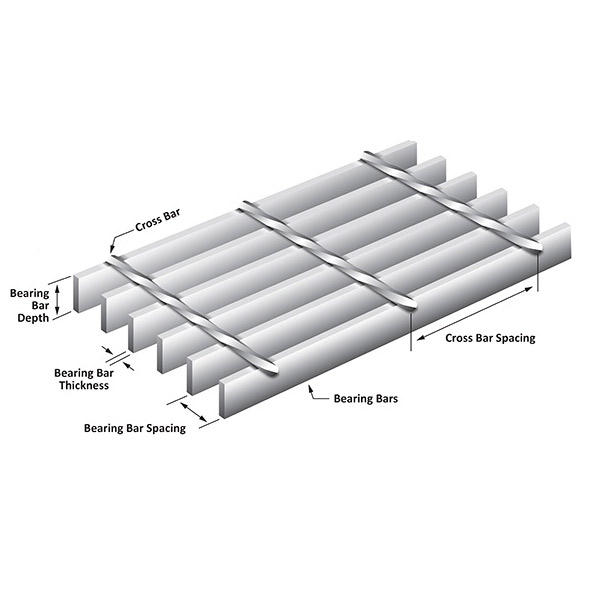
Image 6: Technical experts discussing grating solutions with a client.
Conclusion
The selection of a reliable diamond steel grating factory is a critical decision that impacts the safety, efficiency, and longevity of industrial and commercial infrastructure. By understanding the intricate manufacturing processes, adhering to rigorous technical specifications, leveraging advanced customization capabilities, and prioritizing a vendor's commitment to quality assurance and customer support, businesses can secure optimal solutions. The continued innovation within the steel grating sector, from advanced materials to automated production, ensures that these essential products will continue to meet the evolving demands of a complex global economy, providing robust, safe, and cost-effective access and support structures for generations.
References
- ASTM International. (2023). Annual Book of ASTM Standards, Volume 01.06: Steel, Stainless Steel, and Related Alloys. West Conshohocken, PA: ASTM International.
- International Organization for Standardization. (2015). ISO 9001:2015 - Quality management systems — Requirements. Geneva, Switzerland: ISO.
- NAAMM (National Association of Architectural Metal Manufacturers). (2018). ANSI/NAAMM MBG 531-18: Metal Bar Grating Manual for Steel, Stainless Steel, and Aluminum. Chicago, IL: NAAMM.
- European Committee for Standardization. (2009). EN ISO 1461: Hot dip galvanized coatings on fabricated iron and steel articles — Specifications and test methods. Brussels, Belgium: CEN.
- Steel Construction Institute. (2019). P128: Design of steel portal frame buildings. Ascot, UK: SCI.
-
Wholesale 358 Security Fence Prison Mesh – Durable Perimeter Security Solutions | Building Wire Mesh
NewsDec.09,2025
-
Wholesale Black Annealed Wire Specification & Vendor Comparison
NewsDec.09,2025
-
Wholesale Soft Electro Galvanized Iron Wire | Trusted Industrial Supply
NewsDec.09,2025
-
Wholesale Reinforcing Mesh For Concrete Building – Durable, Cost-Effective Solutions
NewsDec.09,2025
-
Durable Wholesale PVC Coated 2x1x1 Gabion Boxes for Industrial Use
NewsDec.08,2025
-
Wholesale Galvanised Heavy-Gauge Welded Wire Mesh – Durable Industrial Mesh
NewsDec.08,2025
 Afrikaans
 Albanian
 Amharic
 Arabic
 Armenian
 Azerbaijani
 Basque
 Belarusian
 Bengali
 Bosnian
 Bulgarian
 Catalan
 Cebuano
 Corsican
 Croatian
 Czech
Czech
 Danish
 Dutch
Dutch
 Esperanto
 Estonian
 Finnish
 French
 Frisian
 Galician
 Georgian
 German
 Greek
Greek
 Gujarati
 Haitian Creole
 Hausa
Hausa
 Hawaiian
 Hebrew
 Hindi
Hindi
 Miao
Miao
 Hungarian
 Icelandic
 Igbo
Igbo
 Indonesian
 Irish
Irish
 Italian
 Japanese
 Javanese
 Kannada
 Kazakh
 Khmer
Khmer
 Rwandese
 Korean
 Kurdish
 Kyrgyz
 Lao
Lao
 Latin
Latin
 Latvian
 Lithuanian
 Luxembourgish
 Macedonian
 Malgashi
 Malay
Malay
 Malayalam
 Maltese
 Maori
Maori
 Marathi
 Mongolian
 Myanmar
 Nepali
 Norwegian
 Norwegian
 Occitan
 Pashto
 Persian
 Polish
 Portuguese
 Punjabi
 Romanian
 Russian
 Samoan
 Scottish Gaelic
 Serbian
 Sesotho
 Shona
Shona
 Sindhi
 Sinhala
 Slovak
 Slovenian
 Somali
 Spanish
 Sundanese
 Swahili
 Swedish
 Tagalog
 Tajik
Tajik
 Tamil
Tamil
 Tatar
Tatar
 Telugu
 Thai
Thai
 Turkish
 Turkmen
 Ukrainian
 Urdu
Urdu
 Uighur
 Uzbek
Uzbek
 Vietnamese
 Welsh
Welsh
 Bantu
Bantu
 Yiddish
 Yoruba
 Zulu
Zulu
 English