

Oct . 16, 2025 11:45 Back to list
Welded Wire Mesh for Industry Factory – Durable & Custom
Welded Wire Mesh in the Factory: What’s Changing, What Matters
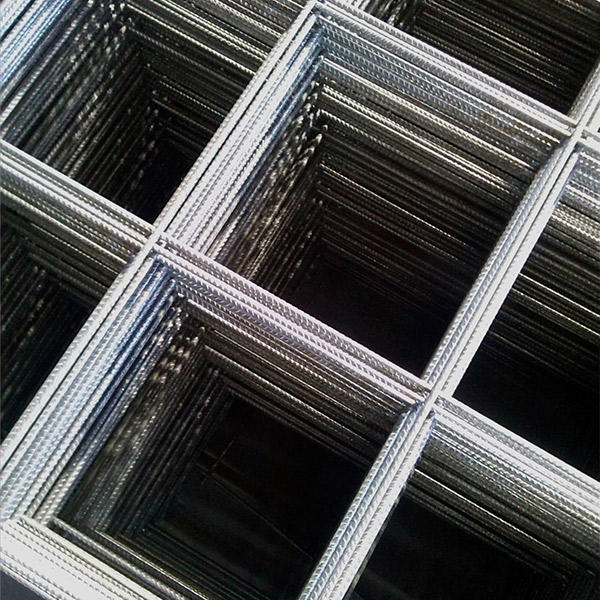
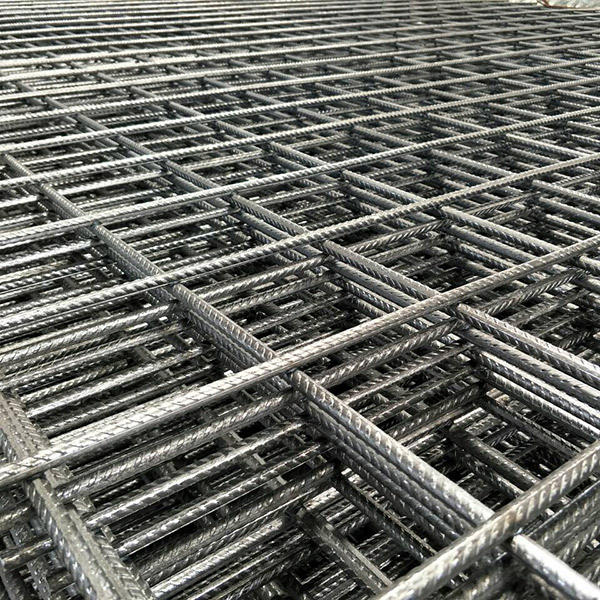
When buyers ask me which mesh holds up on the shop floor and in concrete, I point them to welded wire mesh for industry factory solutions that follow recognized standards and don’t cut corners. The product name is BS Reinforcing Mesh, and yes—it’s the same “re‑mesh” contractors throw around on job sites for slabs, yards, and precast. Origin-wise, it’s made in Cuianpu Development Zone Southwest 800 meters, Anping County, Hebei 053600, China—an area that has quietly become a wire-mesh hub.
Why factories are shifting to prefabricated mesh
Two things: speed and consistency. Pre-welded fabric accelerates slab placement, reduces bar-fixing labor, and, frankly, gives QC teams fewer headaches. Many customers say install time drops ≈25–35% compared with loose rebar. And with tighter welding tolerances, crack control becomes more predictable—especially on heavy-traffic floors.
Core specs (typical, real-world use may vary)
| Product | BS Reinforcing Mesh (welded steel fabric) |
| Steel Grade | B500A/B (per BS 4449/BS 4483); ASTM A1064 plain/deformed wire |
| Wire Diameter | ≈ 4–12 mm |
| Aperture Options | 100×100, 150×150, 200×200 mm (custom on request) |
| Sheet Size | ≈ 2.4×4.8 m (common); rolls for lighter gauges |
| Coating | Black, hot-dip galvanized, or epoxy (project-specific) |
| Tensile/Yield | fy ≥ 500 MPa; ftu/fy ≈ ≥ 1.08 (per standard) |
| Weld Shear (indicative) | ≈ 3–6 kN per weld (depends on wire Ø; ISO 15630-2 tests) |
From wire rod to factory floor: process flow
-
- Materials: low-carbon steel rod, controlled chemistry for weldability and ductility.
- Methods: cold drawing → straightening → resistance welding (auto mesh line) → optional galvanizing/epoxy → bundling.
- Testing standards: BS 4483 for welded fabric; BS 4449 mechanical properties; ASTM A1064; ISO 15630-2 weld/tensile tests; ISO 9001 QC system.
- Service life: embedded in concrete with proper cover, ≈50+ years; coastal or chemical exposure may need galvanized/epoxy and extra cover.
- Industries: logistics centers, automotive plants, chemical works (non-primary containment), precast yards, cold storage, data centers.
Usage scenarios? Think heavy forklift aisles, pump foundations, mezzanine slabs, drainage channels—anywhere crack control and load distribution matter. I guess the boring truth is: the right mesh spec beats improvisation every time.
Real projects (short notes)
- Automotive parts plant, 150 mm slab, B500B 8 mm @150×150: Fewer early-age cracks; GC claimed ≈12% reduction in remedial sealing.
- Coastal logistics hub, humid conditions: galvanized mesh, same spacing; schedule shaved by almost a week thanks to preplanned panels.
Vendor snapshot (what buyers compare)
| Vendor | Certifications | Lead Time | MOQ | Customization | Typical Price |
|---|---|---|---|---|---|
| BS Reinforcing Mesh (Anping, CN) | ISO 9001; test to BS 4483 / ASTM A1064 | ≈ 7–15 days | ≈ 100 sheets | Wire Ø, spacing, finish | ≈ US$0.60–1.20/kg |
| Regional Mill A | ISO 9001; CE (where applicable) | ≈ 2–4 weeks | Project-based | Standard panels; some custom | Mid to high |
| Import Broker B | Varies by source | ≈ 4–8 weeks (shipping) | Container level | Depends on supplier | Variable |
Customization notes
Spacer tweaks, lap-friendly panel sizes, and galvanizing thickness can be set to your spec. For harsh chemical exposure, consider epoxy-coated mesh. For seismic floors, designers often tighten spacing rather than bumping wire diameter—small detail, big payoff.
If your RFQ literally says welded wire mesh for industry factory, add the standard you’re designing to (BS 4483 or ASTM A1064), expected cover, exposure class, and desired panel map. Procurement loves clarity; crews love fewer surprises. To be honest, that’s how projects stay on time.
Final thought: welded wire mesh for industry factory isn’t glamorous, but it carries a floor’s performance on its back. Get the spec right; the rest tends to behave.
Citations
- BS 4483: Steel fabric for the reinforcement of concrete.
- BS 4449: Steel for the reinforcement of concrete – Weldable reinforcing steel.
- ASTM A1064/A1064M: Steel Wire and Welded Wire Reinforcement for Concrete.
- ISO 15630-2: Steel for the reinforcement and prestressing of concrete — Test methods — Part 2.
- ISO 9001: Quality management systems — Requirements.
-
Wholesale 358 Security Fence Prison Mesh – Durable Perimeter Security Solutions | Building Wire Mesh
NewsDec.09,2025
-
Wholesale Black Annealed Wire Specification & Vendor Comparison
NewsDec.09,2025
-
Wholesale Soft Electro Galvanized Iron Wire | Trusted Industrial Supply
NewsDec.09,2025
-
Wholesale Reinforcing Mesh For Concrete Building – Durable, Cost-Effective Solutions
NewsDec.09,2025
-
Durable Wholesale PVC Coated 2x1x1 Gabion Boxes for Industrial Use
NewsDec.08,2025
-
Wholesale Galvanised Heavy-Gauge Welded Wire Mesh – Durable Industrial Mesh
NewsDec.08,2025
 Afrikaans
 Albanian
 Amharic
 Arabic
 Armenian
 Azerbaijani
 Basque
 Belarusian
 Bengali
 Bosnian
 Bulgarian
 Catalan
 Cebuano
 Corsican
 Croatian
 Czech
Czech
 Danish
 Dutch
Dutch
 Esperanto
 Estonian
 Finnish
 French
 Frisian
 Galician
 Georgian
 German
 Greek
Greek
 Gujarati
 Haitian Creole
 Hausa
Hausa
 Hawaiian
 Hebrew
 Hindi
Hindi
 Miao
Miao
 Hungarian
 Icelandic
 Igbo
Igbo
 Indonesian
 Irish
Irish
 Italian
 Japanese
 Javanese
 Kannada
 Kazakh
 Khmer
Khmer
 Rwandese
 Korean
 Kurdish
 Kyrgyz
 Lao
Lao
 Latin
Latin
 Latvian
 Lithuanian
 Luxembourgish
 Macedonian
 Malgashi
 Malay
Malay
 Malayalam
 Maltese
 Maori
Maori
 Marathi
 Mongolian
 Myanmar
 Nepali
 Norwegian
 Norwegian
 Occitan
 Pashto
 Persian
 Polish
 Portuguese
 Punjabi
 Romanian
 Russian
 Samoan
 Scottish Gaelic
 Serbian
 Sesotho
 Shona
Shona
 Sindhi
 Sinhala
 Slovak
 Slovenian
 Somali
 Spanish
 Sundanese
 Swahili
 Swedish
 Tagalog
 Tajik
Tajik
 Tamil
Tamil
 Tatar
Tatar
 Telugu
 Thai
Thai
 Turkish
 Turkmen
 Ukrainian
 Urdu
Urdu
 Uighur
 Uzbek
Uzbek
 Vietnamese
 Welsh
Welsh
 Bantu
Bantu
 Yiddish
 Yoruba
 Zulu
Zulu
 English