

Sep . 14, 2025 08:00 Back to list
Top Diamond Steel Grating Factory - Quality, Strength & Durability
Introduction to Diamond Steel Grating
In the demanding landscape of industrial infrastructure, the selection of robust and reliable materials is paramount. Steel grating, a fundamental component in various sectors, provides essential structural support, safety, and operational efficiency. Specifically, the innovation and production capabilities of a diamond steel grating factory represent a critical nexus for industries requiring high-performance flooring, walkways, and platforms. This article delves into the intricate world of diamond steel grating, covering its manufacturing process, technical specifications, diverse applications, and the strategic considerations for procurement from leading suppliers.
Diamond steel grating is distinguished by its unique bearing bar configuration and exceptional strength-to-weight ratio, offering superior load-bearing capacity and enhanced anti-slip properties crucial for hazardous environments. Its design facilitates efficient drainage and ventilation while maintaining structural integrity under extreme conditions.
Current Industry Trends in Steel Grating Manufacturing
The steel grating industry is experiencing significant evolution driven by technological advancements, environmental regulations, and increasing demands for enhanced safety and durability. Key trends influencing diamond steel grating factories include:
- Automation and Robotics: Adoption of advanced automated welding and cutting systems to improve precision, reduce labor costs, and accelerate production cycles. This minimizes human error and ensures consistent quality.
- Sustainable Practices: Emphasis on using recycled materials and energy-efficient manufacturing processes to reduce the carbon footprint, aligning with global environmental initiatives. Many leading diamond steel grating manufacturers are investing in cleaner production technologies.
- Customization and Modularity: Growing demand for tailor-made grating solutions that fit specific project requirements, facilitated by advanced design software and flexible manufacturing lines. Modular designs also simplify installation and replacement.
- Enhanced Corrosion Resistance: Development of superior coating technologies, such as advanced galvanization and specialized paint systems, to extend product lifespan in highly corrosive environments, critical for offshore and chemical plants.
- Smart Manufacturing (Industry 4.0): Integration of IoT, data analytics, and AI to optimize production, predict maintenance needs, and manage supply chains more efficiently, leading to higher productivity and reduced downtime.
Manufacturing Process Flow at a Diamond Steel Grating Factory
The production of high-quality diamond steel grating is a meticulous process demanding precision engineering and adherence to strict quality control protocols. A typical manufacturing process in a state-of-the-art diamond steel grating factory involves several critical stages:
1. Material Selection and Preparation
Raw materials, primarily low carbon steel (e.g., Q235, SS400) or stainless steel (e.g., 304, 316), are selected based on desired strength, corrosion resistance, and application environment. Bars are cut to precise lengths using automated shearing machines to minimize waste and ensure dimensional accuracy.
2. Bearing Bar Slotting
For certain types of diamond grating, bearing bars undergo a precise notching or slotting process. This creates the interlocking mechanism for the cross bars, crucial for maintaining the diamond pattern and structural integrity. This stage often utilizes CNC machining for high precision.
3. Cross Bar Insertion and Welding/Forging
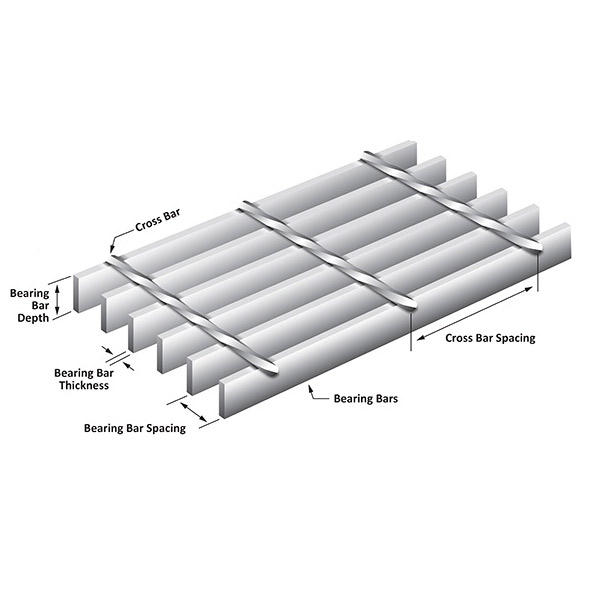
Cross bars (typically twisted square bars or round bars) are inserted into the pre-slotted bearing bars. The assembly is then subjected to a high-pressure resistance welding process or forging, fusing the components into a monolithic panel. This process ensures exceptional joint strength and durability. Advanced factories often employ automated welding robots for consistency.
4. Edge Banding and Finishing
The perimeter of the grating panel is typically banded with a flat bar, welded to the bearing bars, providing a clean finish, enhanced structural rigidity, and preventing distortion. Any required cutouts or toe plates are fabricated at this stage.
5. Surface Treatment
To prevent corrosion and extend service life, the grating undergoes surface treatment. Hot-dip galvanization (conforming to ISO 1461, ASTM A123) is the most common method, providing a durable zinc coating. Other options include painting, powder coating, or electropolishing for stainless steel. This step is critical for ensuring products from diamond steel grating suppliers meet longevity expectations, often exceeding 20-30 years in typical industrial environments.
6. Quality Control and Inspection
Each panel undergoes rigorous inspection, including visual checks for welding integrity, dimensional accuracy, load-bearing capacity tests (e.g., ANSI/NAAMM MBG 531-09), and coating thickness verification. This ensures compliance with international standards (e.g., ISO 9001 for quality management).
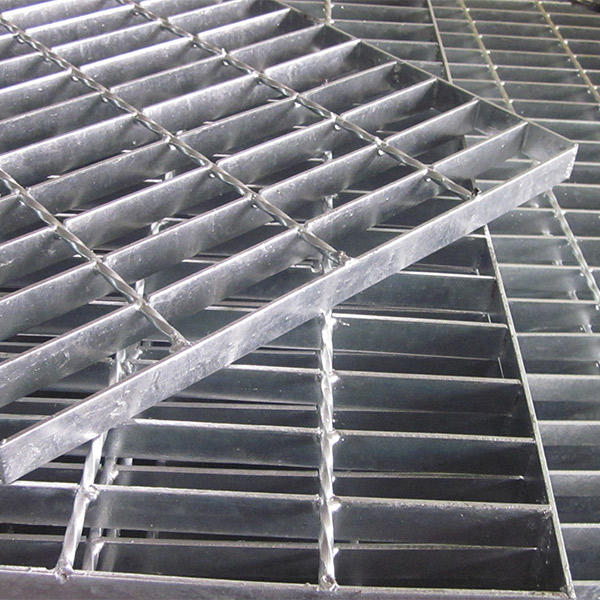
Target industries for these advanced gratings include petrochemical, oil & gas, metallurgy, mining, power generation, water supply & drainage, and marine engineering, where robust, corrosion-resistant, and high-strength flooring is indispensable.
Technical Specifications and Parameters
Understanding the technical specifications is crucial for engineers and procurement specialists when selecting grating. The performance of diamond steel grating is defined by its material composition, dimensions, and structural properties.
Typical Diamond Steel Grating Specifications
| Parameter | Description | Standard Range |
|---|---|---|
| Material Grade | Carbon Steel (Q235, SS400), Stainless Steel (304, 316) | Customizable |
| Bearing Bar Size (Height x Thickness) | Load-carrying element dimensions | 20-100mm x 3-8mm |
| Bearing Bar Pitch | Center-to-center distance between bearing bars | 25mm, 30mm, 35mm, 40mm, 50mm, 60mm |
| Cross Bar Pitch | Center-to-center distance between cross bars | 50mm, 100mm, 120mm |
| Surface Treatment | Corrosion protection method | Hot-dip Galvanized (ISO 1461), Painted, Powder Coated |
| Panel Size | Standard manufacturing dimensions | Up to 6000mm x 1000mm (custom sizes available) |
| Load Capacity | Distributed load capacity per square meter | Up to 10 kN/m² (depending on span and bar size) |
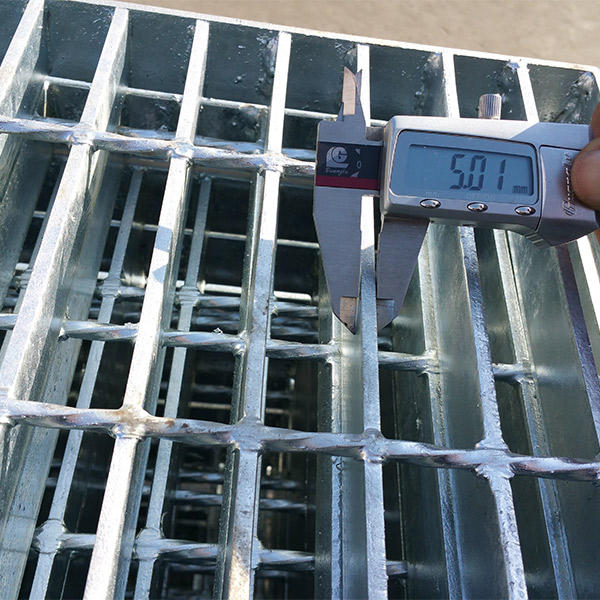
These parameters are meticulously engineered to ensure the grating meets specific deflection limits and ultimate load requirements as per engineering design standards like BS 4592, AS 1657, and DIN 24537. The choice of bearing bar and cross bar pitch directly influences both load capacity and open area percentage, which impacts ventilation and drainage.
Application Scenarios and Technical Advantages
Diamond steel grating's robust characteristics make it ideal for a multitude of demanding industrial applications, offering distinct technical advantages over other flooring materials.
Key Application Areas:
- Industrial Walkways and Platforms: In refineries, power plants, and chemical processing facilities, it provides safe, non-slip access routes, critical for worker safety and operational efficiency. The open mesh design allows for excellent light and air penetration, reducing shadows and improving ventilation.
- Stair Treads: Used in industrial staircases for slip resistance and durability, particularly in areas exposed to oil, grease, or water.
- Drainage Covers: Its high strength and open area make it suitable for trench covers and sumps in factories, municipal facilities, and airports, effectively handling heavy loads while ensuring efficient drainage of liquids and debris.
- Catwalks and Mezzanines: Provides lightweight yet strong structural elements for elevated access, maximizing usable floor space in warehouses and manufacturing facilities.
- Offshore Oil Rigs and Marine Environments: Galvanized or stainless steel grating is preferred due to its exceptional corrosion resistance against saltwater and harsh weather conditions, significantly extending service life.
Technical Advantages:
- Superior Load-Bearing Capacity: The deep bearing bars and forged/welded construction offer exceptional strength to support heavy machinery, equipment, and personnel.
- Excellent Anti-Slip Properties: The twisted square cross bars and serrated options provide enhanced traction, significantly reducing the risk of slips and falls, especially in wet or oily conditions.
- High Corrosion Resistance: Hot-dip galvanization (typically 600 g/m² zinc coating) ensures long-term protection against rust and environmental degradation, leading to minimal maintenance requirements. This advantage translates to significant cost savings over the product's lifespan.
- Efficient Drainage and Ventilation: The open mesh design prevents accumulation of water, snow, debris, and allows for optimal airflow, which is critical in environments requiring fume extraction or heat dissipation, contributing to energy saving in ventilation systems.
- Durability and Long Service Life: Designed for extreme industrial conditions, grating panels from a reputable diamond steel grating factory can withstand heavy impact and constant traffic, boasting a service life of 20-50 years depending on the environment and maintenance.
- Cost-Effectiveness: While the initial investment might be higher than some alternatives, the longevity, low maintenance, and enhanced safety features provide a superior total cost of ownership (TCO).
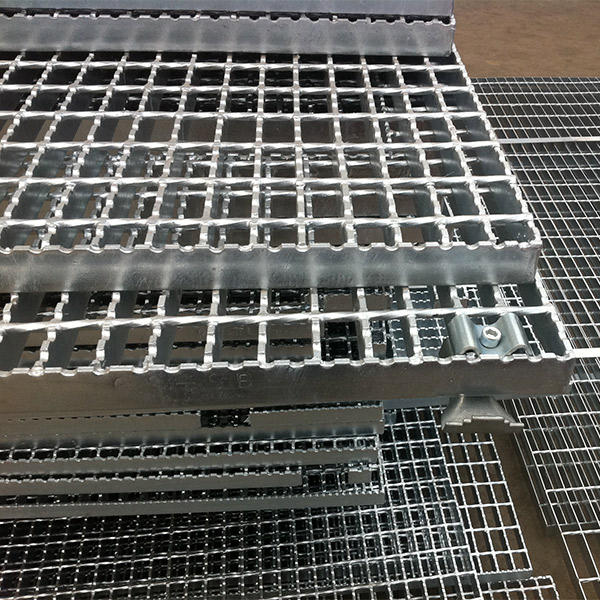
The ability of these gratings to withstand harsh industrial chemicals, extreme temperatures, and heavy dynamic loads underscores their value in mission-critical applications where failure is not an option.
Vendor Comparison: Selecting the Right Diamond Steel Grating Manufacturer
Choosing the right diamond steel grating manufacturer is a strategic decision that impacts project timelines, budget, and long-term operational integrity. A comprehensive vendor comparison should evaluate several key factors:
Key Factors for Vendor Evaluation:
| Factor | High-Quality Manufacturer | Standard Manufacturer |
|---|---|---|
| Certifications | ISO 9001:2015, CE, ASTM, ANSI/NAAMM, EN (e.g., ISO 1461 for galvanization) | Basic local standards, sometimes incomplete documentation |
| Production Technology | Automated robotic welding, CNC cutting, advanced galvanization lines | Manual or semi-automated processes, inconsistent quality |
| Quality Control | Multi-stage inspection, material traceability, load testing, coating thickness checks | Limited checks, often visual only, no material traceability |
| Customization Capabilities | Full engineering support, CAD/BIM integration, bespoke panel fabrication | Limited standard sizes, reluctance for complex designs |
| Lead Time Reliability | Consistent on-time delivery, transparent scheduling, robust supply chain | Frequent delays, poor communication, unreliable logistics |
| After-Sales Support | Technical assistance, warranty, spare parts, installation guidance | Minimal or no post-delivery support |

Partnering with an experienced diamond steel grating factory that emphasizes advanced manufacturing, rigorous testing, and comprehensive project support can significantly de-risk large-scale industrial projects. Look for vendors with a track record of serving critical infrastructure clients and who openly provide certifications and test data.
Customized Solutions and Design Engineering
Modern industrial projects often present unique challenges that standard off-the-shelf products cannot address. Leading diamond steel grating manufacturers excel in providing customized solutions, from initial design to final fabrication. This involves:
- Engineered Designs: Working with client blueprints, structural engineers develop optimal grating designs considering span, live load, dead load, and deflection limits, often utilizing finite element analysis (FEA) for complex scenarios.
- Specialized Materials: Offering options beyond standard carbon steel, such as various grades of stainless steel, aluminum, or composite materials, to meet specific corrosion resistance, weight, or non-magnetic requirements.
- Complex Fabrication: Custom cutting, shaping, and notching for irregular areas, pipe penetrations, access hatches, and column cutouts. This includes creating curved or angled panels to fit unique architectural or structural geometries.
- Integrated Ancillaries: Design and fabrication of associated components such as stair treads with nosing, handrail systems, toe plates, and specialized fixing clips to provide a complete, integrated solution.
- Advanced Coatings: Beyond standard galvanization, offering specialized coatings like epoxy, polyurethane, or duplex systems for extreme chemical resistance or specific aesthetic requirements.
The ability to provide detailed shop drawings, 3D models, and installation guides is a hallmark of a technically proficient supplier. This level of customization ensures seamless integration into complex industrial infrastructures and optimal performance over the product's lifespan.
Application Case Studies and Customer Feedback
Real-world application case studies demonstrate the tangible benefits and reliability of diamond steel grating in diverse industrial settings.
Case Study 1: Petrochemical Plant Expansion
- Challenge: A major petrochemical facility required durable, corrosion-resistant, and anti-slip grating for extensive elevated walkways and platforms across its new processing units, operating in a highly corrosive atmosphere with potential for oil spills.
- Solution: A diamond steel grating factory supplied 2,500 square meters of serrated, hot-dip galvanized steel grating (bearing bars 40x5mm, pitch 30x100mm) with custom cutouts for piping and equipment.
- Outcome: The grating provided exceptional anti-slip safety, even with oil residue, and demonstrated superior corrosion resistance after two years of continuous operation, validated by third-party inspection. The open design facilitated easy cleaning and visual inspection of pipes below.
Case Study 2: Municipal Wastewater Treatment Facility
- Challenge: The facility needed robust grating for aeration tanks and clarifier walkways that could withstand constant moisture, chemical exposure (chlorine, ozone), and heavy foot traffic, with minimal maintenance.
- Solution: Stainless steel (316L) diamond grating was chosen for its superior chemical resistance. The manufacturer provided modular panels with specialized fixing clamps for quick installation and removal during maintenance.
- Outcome: The stainless steel grating has shown no signs of degradation after five years, significantly reducing maintenance costs and ensuring a safe working environment. The facility manager reported, "The grating's durability and chemical resistance have exceeded our expectations, proving to be a cost-effective long-term solution."
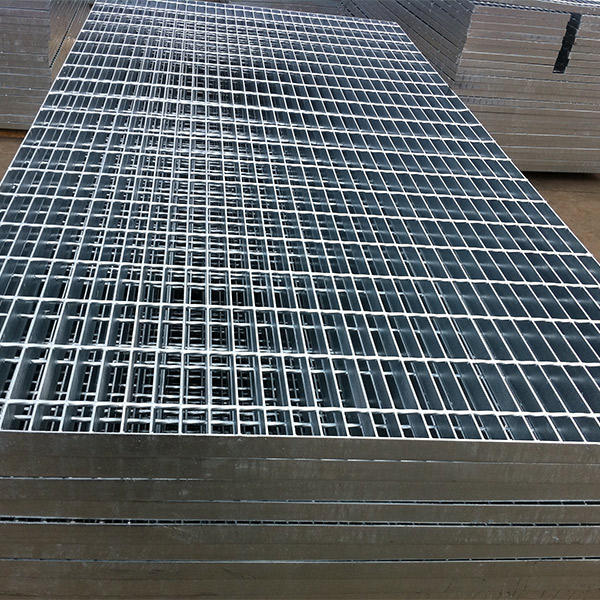
These cases underscore the reliability and adaptability of engineered steel grating solutions from reputable diamond steel grating suppliers.
Trustworthiness: FAQs, Lead Time, Warranty & Support
Establishing trust with clients is fundamental in B2B transactions. A reliable diamond steel grating factory provides transparency in all aspects of its operations.
Frequently Asked Questions (FAQs)
Q: What is the typical lead time for custom diamond steel grating orders?
A: Standard orders typically have a lead time of 2-4 weeks from drawing approval to shipment, depending on order volume and material availability. Complex custom designs may require 4-6 weeks. Expedited services are available upon request.
Q: What warranty do you offer on your diamond steel grating products?
A: We provide a comprehensive 5-year warranty against manufacturing defects and premature coating failure under normal operating conditions. Specific project warranties can be negotiated for large-scale installations, often extending up to 10 years for material and workmanship.
Q: Can you assist with installation guidance or provide technical support on-site?
A: Yes, our technical support team is available for remote consultation and can provide detailed installation guides and drawings. For major projects, on-site supervision or training can be arranged, ensuring correct and safe implementation of our products.
Q: What are your payment terms and fulfillment options?
A: Standard payment terms are 30% down payment with the order and 70% upon completion and before shipment. We offer various fulfillment options including EXW, FOB, CFR, and CIF, with global shipping capabilities and robust packaging to ensure safe delivery.
Customer Support and Partnership
We are committed to long-term partnerships, offering dedicated account management, responsive technical support, and comprehensive after-sales services. Our team of experienced engineers and customer service professionals is available to assist with product selection, design optimization, and post-installation inquiries. For immediate assistance, please contact our support desk or visit our website's support section.
Conclusion
The selection of a reliable diamond steel grating factory is pivotal for ensuring the safety, longevity, and operational efficiency of industrial infrastructure. By understanding the intricate manufacturing processes, adhering to stringent technical specifications, and leveraging advanced customization capabilities, businesses can procure grating solutions that meet the most demanding project requirements. The commitment to quality, robust after-sales support, and transparent communication are hallmarks of a trusted supplier, contributing significantly to project success and long-term asset value.
References
- ISO 9001:2015 Quality Management Systems – Requirements. International Organization for Standardization.
- ISO 1461: Hot dip galvanized coatings on fabricated iron and steel articles – Specifications and test methods. International Organization for Standardization.
- ANSI/NAAMM MBG 531-09: Metal Bar Grating Manual for Manufacturers and Fabricators. National Association of Architectural Metal Manufacturers.
- ASTM A123/A123M: Standard Specification for Zinc (Hot-Dip Galvanized) Coatings on Iron and Steel Products. ASTM International.
- BS 4592-0:2006+A1:2012: Industrial type flooring, walkways and stair treads – Part 0: General Metal Grating. British Standards Institution.
-
Wholesale 358 Security Fence Prison Mesh – Durable Perimeter Security Solutions | Building Wire Mesh
NewsDec.09,2025
-
Wholesale Black Annealed Wire Specification & Vendor Comparison
NewsDec.09,2025
-
Wholesale Soft Electro Galvanized Iron Wire | Trusted Industrial Supply
NewsDec.09,2025
-
Wholesale Reinforcing Mesh For Concrete Building – Durable, Cost-Effective Solutions
NewsDec.09,2025
-
Durable Wholesale PVC Coated 2x1x1 Gabion Boxes for Industrial Use
NewsDec.08,2025
-
Wholesale Galvanised Heavy-Gauge Welded Wire Mesh – Durable Industrial Mesh
NewsDec.08,2025
 Afrikaans
 Albanian
 Amharic
 Arabic
 Armenian
 Azerbaijani
 Basque
 Belarusian
 Bengali
 Bosnian
 Bulgarian
 Catalan
 Cebuano
 Corsican
 Croatian
 Czech
Czech
 Danish
 Dutch
Dutch
 Esperanto
 Estonian
 Finnish
 French
 Frisian
 Galician
 Georgian
 German
 Greek
Greek
 Gujarati
 Haitian Creole
 Hausa
Hausa
 Hawaiian
 Hebrew
 Hindi
Hindi
 Miao
Miao
 Hungarian
 Icelandic
 Igbo
Igbo
 Indonesian
 Irish
Irish
 Italian
 Japanese
 Javanese
 Kannada
 Kazakh
 Khmer
Khmer
 Rwandese
 Korean
 Kurdish
 Kyrgyz
 Lao
Lao
 Latin
Latin
 Latvian
 Lithuanian
 Luxembourgish
 Macedonian
 Malgashi
 Malay
Malay
 Malayalam
 Maltese
 Maori
Maori
 Marathi
 Mongolian
 Myanmar
 Nepali
 Norwegian
 Norwegian
 Occitan
 Pashto
 Persian
 Polish
 Portuguese
 Punjabi
 Romanian
 Russian
 Samoan
 Scottish Gaelic
 Serbian
 Sesotho
 Shona
Shona
 Sindhi
 Sinhala
 Slovak
 Slovenian
 Somali
 Spanish
 Sundanese
 Swahili
 Swedish
 Tagalog
 Tajik
Tajik
 Tamil
Tamil
 Tatar
Tatar
 Telugu
 Thai
Thai
 Turkish
 Turkmen
 Ukrainian
 Urdu
Urdu
 Uighur
 Uzbek
Uzbek
 Vietnamese
 Welsh
Welsh
 Bantu
Bantu
 Yiddish
 Yoruba
 Zulu
Zulu
 English