

Sep . 19, 2025 14:35 Back to list
Welded Wire Mesh for Industry Factory - Strong & Reliable
The Indispensable Role of Welded Wire Mesh in Modern Industry
In the intricate landscape of modern industrial operations, the demand for robust, reliable, and versatile materials is paramount. Among these, welded wire mesh for industry factory applications stands out as a fundamental component, critical for everything from structural reinforcement and safety guarding to filtration and material handling. Its exceptional strength-to-weight ratio, precise aperture control, and adaptability make it a cornerstone in diverse sectors, ranging from petrochemical and metallurgy to water treatment and construction.
This comprehensive guide delves into the specifics of industrial-grade welded wire mesh, exploring its manufacturing intricacies, technical specifications, multifaceted applications, and the strategic advantages it offers. We aim to provide B2B decision-makers and engineers with the authoritative insights needed to select and implement optimal mesh solutions for their demanding operational environments.
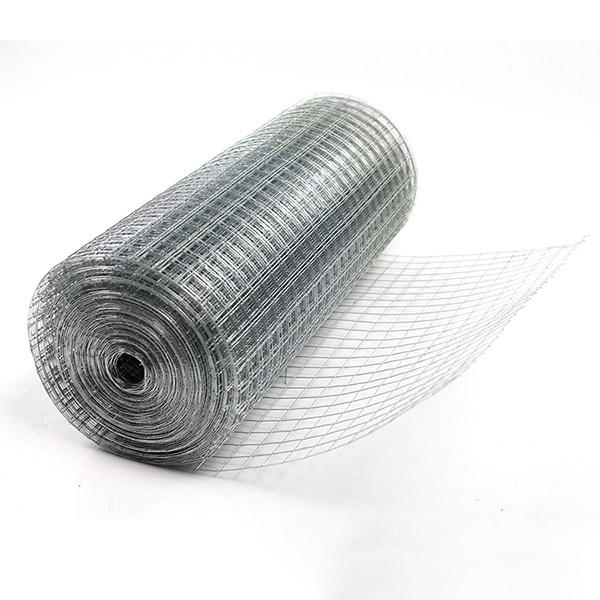
Current Industry Trends Driving Welded Wire Mesh Evolution
The landscape for welded wire mesh for industry factories is continuously evolving, shaped by several key trends:
- Automation and Digitalization: Advanced manufacturing facilities are adopting robotic welding and automated inspection systems, enhancing precision, efficiency, and consistency in mesh production. This leads to higher quality and faster lead times for welded wire mesh for industry manufacturers.
- Sustainability Focus: There's a growing emphasis on using recycled content, optimizing energy consumption in manufacturing, and producing highly durable mesh that extends service life, reducing waste.
- Advanced Material Science: Research into new alloys and composite coatings is yielding mesh products with superior corrosion resistance, higher tensile strength, and better performance in extreme environments (e.g., high temperatures, aggressive chemicals).
- Customization and Specialty Applications: Industries demand increasingly tailored solutions. Suppliers are investing in flexible production lines to offer highly customized mesh configurations, from unique aperture shapes to specialized surface treatments, ensuring the perfect fit for niche applications.
- Supply Chain Resilience: Geopolitical shifts and global events highlight the need for robust and reliable supply chains. Industrial buyers prioritize welded wire mesh for industry suppliers with proven track records of on-time delivery and consistent material quality.
These trends underscore a move towards more intelligent, efficient, and environmentally responsible manufacturing processes for industrial wire mesh.
The Manufacturing Process: Precision from Raw Material to Finished Product
The production of high-quality industrial welded wire mesh is a meticulously controlled process, ensuring structural integrity and performance meeting stringent industrial demands. Here's a detailed breakdown:
- Material Selection and Sourcing: The foundation of superior mesh begins with selecting appropriate raw materials. Common choices include low carbon steel (e.g., Q195, SAE 1008), galvanized steel (pre-galvanized or hot-dip galvanized after welding), and various grades of stainless steel (e.g., AISI 304, 316, 316L) for enhanced corrosion resistance. Materials are sourced from certified mills, ensuring compliance with standards like ASTM A510, JIS G3505, or EN 10016-2.
- Wire Straightening and Cutting: Raw wire coils are fed into precision machines that straighten the wire to remove kinks and then cut it to exact lengths required for the mesh panel dimensions. This step is critical for maintaining dimensional accuracy of the finished product.
- Automated Resistance Welding: The straightened wires are then precisely positioned in a grid pattern. High-speed, automated resistance welding machines apply electric current and pressure at each intersection point. This fusion process creates strong, permanent, uniform welds. The automated nature ensures consistent mesh opening sizes and eliminates manual errors, crucial for reliable welded wire mesh for industry factory applications.
-
Surface Treatment (Post-Welding):
- Hot-Dip Galvanizing: For applications requiring superior corrosion resistance, the welded mesh panels are submerged in molten zinc. This creates a thick, uniform zinc coating that bonds metallurgically with the steel, providing excellent long-term protection against rust and environmental wear. This process adheres to standards like ASTM A123.
- PVC Coating: For aesthetics, enhanced corrosion resistance, or specific chemical resistance, a layer of PVC powder is electrostatically applied and then thermally bonded to the galvanized mesh.
- Electropolishing: For stainless steel mesh used in sterile or high-purity environments (e.g., pharmaceutical, food processing), electropolishing provides a smooth, passive, and highly corrosion-resistant surface.
-
Quality Control & Testing: Throughout the process, rigorous quality checks are performed.
- Dimensional Accuracy: Mesh opening, wire diameter, and panel dimensions are checked against specifications.
- Weld Strength: Destructive testing (e.g., shear strength tests) is performed to ensure welds meet or exceed industry standards like ISO 9001, ASTM A740 for welded wire fabric.
- Coating Uniformity & Adhesion: For galvanized or PVC-coated mesh, coating thickness, uniformity, and adhesion are tested (e.g., Preece test, bend test).
- Material Composition: Spectroscopic analysis may be used to verify material composition.
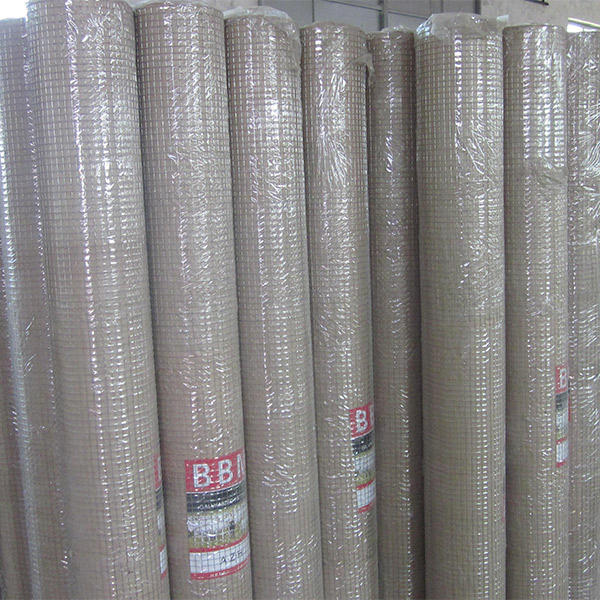
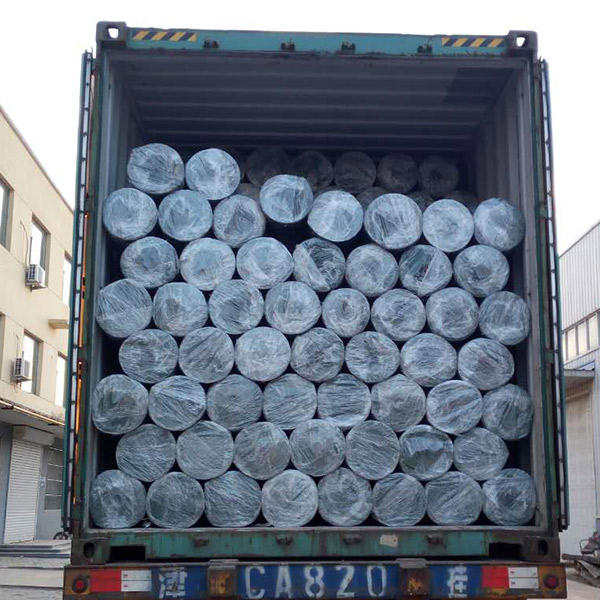
- Finishing and Packaging: Finished mesh panels or rolls are trimmed, inspected one final time, and then securely packaged to prevent damage during transit. Custom packaging solutions are available for delicate or oversized mesh.
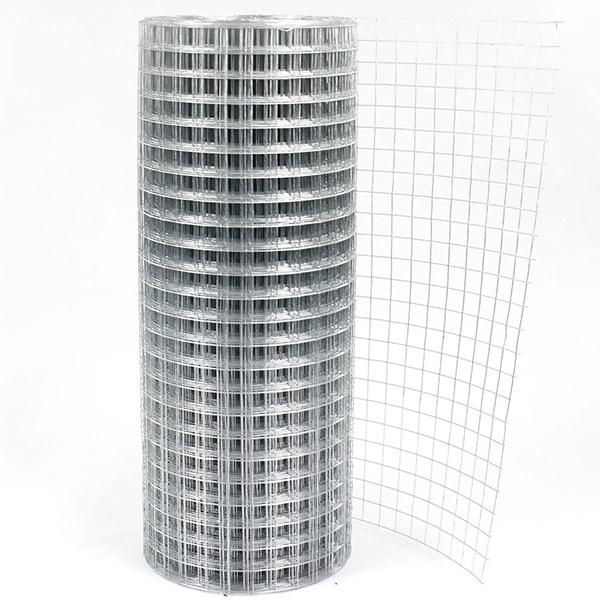
The service life of industrial welded wire mesh varies significantly based on material, surface treatment, and application environment, ranging from 10 years for standard galvanized mesh in mild conditions to over 50 years for high-grade stainless steel mesh in benign environments. Advantages include superior corrosion resistance (especially for stainless or HDG options) and inherent energy saving through optimized material use and reduced maintenance.
Technical Specifications and Performance Parameters
Understanding the technical specifications of welded wire mesh for industry factories is crucial for optimal material selection. Key parameters include:
- Material Grade: Carbon steel (e.g., Q195, SAE1008), Stainless Steel (e.g., 304, 304L, 316, 316L, 321), Galvanized Steel (pre-galvanized, hot-dip galvanized after welding).
- Wire Diameter: Typically ranges from 0.5 mm to 12 mm, impacting strength and rigidity.
- Mesh Opening (Aperture Size): Square or rectangular openings, from 6.35 mm (1/4 inch) up to 200 mm or more, determining filtration capability, flow rate, and visibility.
- Panel Dimensions: Standard widths from 0.5 m to 2.5 m, and lengths from 1 m to 6 m. Custom dimensions are common.
- Tensile Strength: The maximum stress the wire can withstand before breaking (e.g., 450-700 MPa for carbon steel).
- Weld Shear Strength: The force required to break a single weld, indicating the mesh's structural integrity.
- Surface Treatment: Hot-dip galvanization (zinc coating thickness typically 40-80 µm), PVC coating (thickness 0.5-1.5 mm).
- Corrosion Resistance: Varies significantly by material and coating, often quantified by salt spray test results (e.g., 500-1000+ hours for hot-dip galvanized).
Table 1: Typical Industrial Welded Wire Mesh Specifications
| Parameter | Carbon Steel (HDG) | Stainless Steel (304) | PVC Coated (Galvanized Core) |
|---|---|---|---|
| Material Standard | ASTM A510 / SAE 1008 | ASTM A276 / AISI 304 | ASTM A510 (Core) |
| Wire Diameter Range | 1.0 mm - 8.0 mm | 0.8 mm - 6.0 mm | 1.5 mm - 5.0 mm (Finished) |
| Mesh Opening Range | 12.7x12.7 mm to 100x100 mm | 6.35x6.35 mm to 50x50 mm | 25x25 mm to 75x75 mm |
| Tensile Strength (Wire) | 450-550 MPa | 520-720 MPa | 450-550 MPa (Core) |
| Corrosion Resistance | Good (Hot-Dip Galvanized) | Excellent | Very Good (Dual Protection) |
| Temperature Range | -30°C to 200°C | -200°C to 800°C | -20°C to 80°C |
Diverse Application Scenarios for Industrial Welded Wire Mesh
The versatility of welded wire mesh for industry factory applications is demonstrated across a multitude of sectors:
- Petrochemical Industry: Used for safety guarding around machinery, platforms, and hazardous areas. Stainless steel mesh is crucial for filtration in processing units, catalyst support, and protective cages for sensitive equipment, offering excellent corrosion resistance against chemical exposure and high temperatures.
- Metallurgy and Mining: Applications include furnace mesh, sizing screens for ores and aggregates, security barriers, and conveyor belt guards. High-strength mesh ensures durability in abrasive environments.
- Water Supply & Drainage Systems: Employed in water intake screens, wastewater treatment plant filtration, debris screens, and channel covers. Stainless steel and PVC-coated mesh provide longevity in constantly wet and potentially corrosive conditions.
- Food Processing & Pharmaceutical: Stainless steel mesh is indispensable for conveyor belts, drying trays, sieving, and sanitary partitions due to its hygiene properties, ease of cleaning, and resistance to chemical sanitizers.
- Construction and Infrastructure: Reinforcement in concrete slabs (welded wire fabric), gabions for erosion control, security fencing, and pedestrian bridges.
- Logistics and Warehousing: Pallet rack decking, security cages for valuable inventory, and partitions within warehouses.
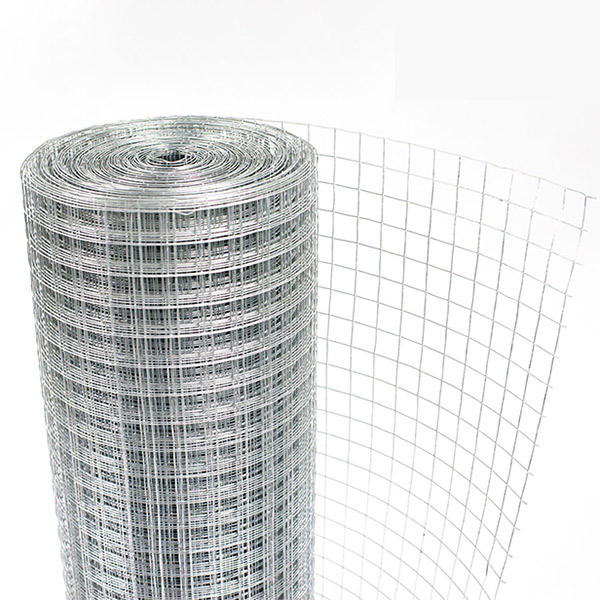
In typical application scenarios, such as safety guarding in a chemical plant, the inherent corrosion resistance of stainless steel or hot-dip galvanized mesh translates into significantly extended service life and reduced maintenance, directly contributing to operational energy saving by avoiding frequent replacements and associated labor. Its robust structural integrity ensures worker safety and asset protection.
Key Technical Advantages of Industrial Welded Wire Mesh
The widespread adoption of industrial welded wire mesh stems from its distinct technical advantages:
- Superior Structural Integrity: The precision resistance welding at each intersection creates a robust and stable grid structure. This prevents individual wires from shifting, ensuring consistent aperture size and high load-bearing capacity, unlike woven mesh.
- Dimensional Stability and Uniformity: Automated manufacturing processes guarantee precise mesh openings and panel dimensions, critical for applications requiring exact filtration, screening, or construction specifications.
- High Strength-to-Weight Ratio: Industrial welded wire mesh offers substantial strength for its relatively light weight, optimizing material use and reducing structural load in designs.
- Excellent Corrosion Resistance: When manufactured from stainless steel or post-welding hot-dip galvanized steel, the mesh exhibits exceptional resistance to rust, chemicals, and environmental degradation, leading to extended service life and reduced lifecycle costs.
- Versatility in Design and Customization: Available in a vast array of wire diameters, mesh sizes, materials, and finishes, it can be easily cut, bent, and fabricated to meet specific project requirements without compromising structural integrity.
- Ease of Installation and Maintenance: Its rigid nature simplifies handling and installation. The robust construction typically requires minimal maintenance, especially for coated or stainless variants, contributing to lower operational expenditures.
- Cost-Effectiveness: While initial costs may vary, the long service life, low maintenance, and high performance of quality welded wire mesh for industry suppliers products often result in a lower total cost of ownership compared to alternative materials.
Vendor Comparison: Choosing the Right Welded Wire Mesh Manufacturer
Selecting the right welded wire mesh for industry manufacturers or suppliers is paramount for project success and long-term reliability. A robust vendor comparison considers several critical factors beyond just price:
Table 2: Key Vendor Comparison Factors for Welded Wire Mesh Suppliers
| Comparison Factor | Description and Importance |
|---|---|
| Quality Certifications | Look for ISO 9001:2015 for quality management, CE for European conformity, and specific material standards (e.g., ASTM, ANSI, DIN). These indicate a commitment to consistent quality. |
| Manufacturing Capabilities | Assess production capacity, machinery (e.g., automated welding lines), ability to handle diverse materials, and range of wire diameters/mesh sizes. This impacts lead times and customization options. |
| Material Sourcing & Traceability | Reputable vendors will have transparent material sourcing from certified mills and full traceability records for raw materials, ensuring quality and compliance. |
| Technical Support & Expertise | A good supplier offers expert advice on material selection, mesh configuration, and application-specific solutions. This includes engineering support and prompt response to inquiries. |
| Lead Times & Fulfillment | Evaluate typical lead times for standard and custom orders. Consistent on-time delivery is crucial for project scheduling and minimizing downtime. |
| Customization Options | Ability to provide bespoke mesh solutions (e.g., specific dimensions, cut-outs, special coatings) is vital for unique industrial requirements. |
| After-Sales Service & Warranty | Understand the warranty terms, return policies, and available support for any post-purchase issues. |
| References & Case Studies | Reviewing past projects and client testimonials offers insights into a vendor's experience and reliability in delivering similar solutions. |
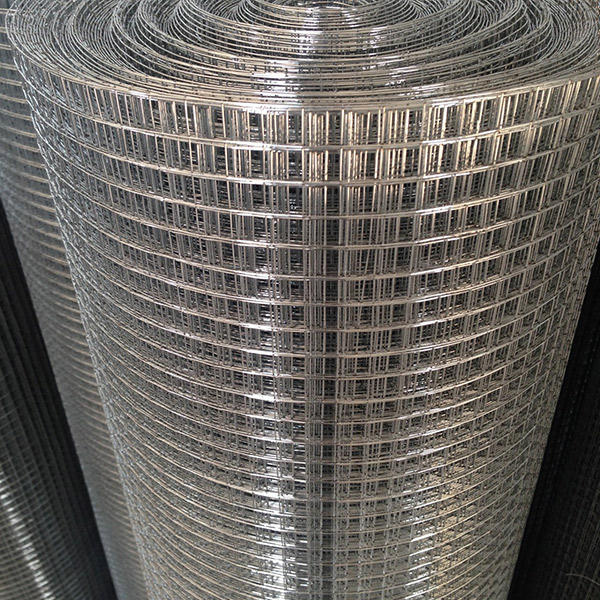
Customized Solutions for Specialized Industrial Needs
Standard welded wire mesh products serve a broad range of industrial applications, but many complex projects require tailored solutions. Leading welded wire mesh for industry suppliers excel in providing highly customized mesh to meet unique specifications:
- Specific Dimensions: Custom panel widths, lengths, and cut-outs to integrate seamlessly into existing structures or equipment.
- Varying Aperture Sizes and Shapes: Beyond standard squares, custom mesh can feature rectangular openings, varying pitches, or hybrid patterns for specialized filtration or visual requirements.
- Unique Material Grades: Sourcing specialized alloys for extreme temperature, chemical resistance, or non-magnetic properties.
- Advanced Coatings and Finishes: Beyond standard galvanization or PVC, custom options include epoxy coatings, powder coatings in specific colors, or even electropolishing for ultra-smooth, cleanable surfaces.
- Value-Added Fabrication: Pre-fabricated mesh components with integrated frames, bends, channels, or attachment points, reducing on-site fabrication and installation time.
Partnering with a manufacturer capable of such customization ensures that the mesh perfectly integrates into your project, optimizing performance, durability, and cost-efficiency. This bespoke approach is particularly valuable for industries like aerospace, specialized manufacturing, or high-security installations where off-the-shelf solutions are insufficient.
Real-World Application Case Studies
Practical examples underscore the reliability and effectiveness of welded wire mesh for industry factory applications:
Case Study 1: Safety Guarding in a Large Chemical Processing Plant
Challenge: A major chemical processing plant required robust, chemical-resistant safety guarding around high-pressure pumps and reaction vessels. Traditional painted carbon steel guards deteriorated rapidly due to corrosive fumes, leading to frequent maintenance and safety concerns.
Solution: The plant switched to 316L stainless steel welded wire mesh panels (25x25mm aperture, 3mm wire diameter) for all guarding. The mesh was electropolished to enhance passivation and ease of cleaning.
Outcome: After 5 years, the stainless steel mesh showed no signs of corrosion or degradation, significantly reducing maintenance costs by 80% and improving overall plant safety. The uniform mesh provided clear visibility of equipment while maintaining a strong barrier.
Case Study 2: Filtration Screens for a Municipal Wastewater Treatment Facility
Challenge: A wastewater treatment plant needed durable, fine-mesh screens to filter out coarse solids from influent water before primary treatment. The existing screens frequently clogged and corroded, requiring constant cleaning and replacement in the aggressive wastewater environment.
Solution: Custom-fabricated hot-dip galvanized welded wire mesh panels (12.7x12.7mm aperture, 4mm wire diameter) were installed. The hot-dip galvanization after welding ensured complete zinc coverage, including weld points, providing maximum protection.
Outcome: The new mesh screens demonstrated superior resistance to corrosion and fouling. The rigid welded structure allowed for easier backwashing and less frequent cleaning cycles. The service life of the screens was projected to be over 15 years, tripling the lifespan of the previous solution and reducing operational costs by an estimated 30% annually for maintenance and replacement.
Ensuring Trust and Reliability: Adhering to Standards
As a professional supplier of welded wire mesh for industry manufacturers, our commitment to Expertise, Experience, Authoritativeness, and Trustworthiness () is foundational:
- Expertise: Our team comprises experienced engineers and metallurgists deeply knowledgeable in wire mesh fabrication, material science, and industrial applications. We provide precise technical guidance, from specifying wire tensile strengths to optimizing weld patterns for specific load requirements.
- Experience: With decades of serving critical industrial sectors, we have accumulated a vast portfolio of successful projects and satisfied global clients. Our extensive experience allows us to anticipate challenges and deliver proven solutions, reflected in consistent positive customer feedback.
- Authoritativeness: We hold globally recognized certifications such as ISO 9001:2015 for Quality Management Systems, ensuring our manufacturing processes meet the highest international standards. Our products comply with relevant ASTM, ANSI, and European EN standards. We collaborate with accredited third-party testing laboratories to provide verifiable test data and material certifications for every order.
- Trustworthiness: We operate with complete transparency regarding our materials, processes, and performance specifications. Our commitment extends to clear communication, reliable lead times, comprehensive warranties, and proactive customer support, ensuring peace of mind for our industrial partners.
Frequently Asked Questions (FAQ)
Q1: What are the primary materials used for industrial welded wire mesh?
A: The primary materials include low carbon steel (often galvanized for corrosion protection), various grades of stainless steel (304, 304L, 316, 316L for superior corrosion resistance and hygiene), and sometimes specialized alloys for extreme environments. The choice depends on the application's specific requirements for strength, corrosion resistance, and temperature.
Q2: How is corrosion resistance achieved in welded wire mesh?
A: Corrosion resistance is achieved through material selection (e.g., stainless steel, which forms a passive chromium oxide layer) and surface treatments. Hot-dip galvanization after welding provides a thick, metallurgically bonded zinc coating that acts as a barrier and offers cathodic protection. PVC coating over galvanized mesh provides an additional layer of chemical and weather resistance.
Q3: What are the typical lead times for custom orders of industrial welded wire mesh?
A: Lead times for custom orders can vary based on complexity, material availability, and current production schedules. Standard welded wire mesh products typically ship within 2-4 weeks. For highly customized specifications or large volumes, lead times may range from 4-8 weeks. We provide a detailed lead time estimate upon order confirmation.
Q4: What warranty is offered on your welded wire mesh products?
A: We offer a standard 1-year warranty against manufacturing defects for our industrial welded wire mesh. Specific warranties for extended periods or specialized coatings may be available depending on the product and application. Detailed warranty information is provided with each quote and order.
Q5: How do I select the right mesh configuration (wire diameter, aperture) for my specific application?
A: Selecting the correct configuration depends on factors such as required strength, filtration size, flow rate, environmental conditions, and budget. Our technical team can provide expert consultation, utilizing engineering calculations and industry standards to recommend the optimal wire diameter, mesh opening, material, and finish tailored to your exact project needs. Feel free to provide your project specifications for a detailed recommendation.
Logistics & Customer Support
We understand that reliable logistics and responsive customer support are as crucial as product quality for industrial clients.
- Lead Time & Fulfillment: Our optimized production lines and robust inventory management enable efficient order processing and fulfillment. We provide transparent lead times and work closely with clients to meet project deadlines, offering expedited options for urgent requirements where feasible.
- Warranty Commitments: All our industrial welded wire mesh products are backed by a comprehensive warranty, affirming our confidence in their quality and durability. Details are provided with each quotation, ensuring clarity and peace of mind.
- After-Sales Support: Our dedicated customer service team provides ongoing support, addressing any technical queries, installation guidance, or post-purchase concerns promptly and professionally. We are committed to ensuring long-term satisfaction and successful integration of our products into your operations.
The strategic selection of high-quality industrial welded wire mesh is a critical investment for any modern industrial facility.
By focusing on robust materials, precise manufacturing, and partnering with experienced welded wire mesh for industry suppliers, businesses can ensure operational efficiency, enhanced safety, and long-term cost-effectiveness.
References
- ASTM International. (2018). ASTM A510/A510M-18, Standard Specification for General Requirements for Wire Rods and Coarse Round Wire, Carbon Steel. West Conshohocken, PA: ASTM International.
- ISO. (2015). ISO 9001:2015, Quality management systems — Requirements. International Organization for Standardization.
- Steel Construction Institute. (2011). Design of welded wire mesh reinforcement. Ascot, UK: Steel Construction Institute.
- NACE International. (2019). Corrosion Basics: An Introduction. Houston, TX: NACE International.
- European Committee for Standardization. (2009). EN 10244-2: Steel wire and wire products - Non-ferrous metallic coatings on steel wire - Part 2: Zinc or zinc alloy coatings. Brussels, Belgium: CEN.
-
Wholesale 358 Security Fence Prison Mesh – Durable Perimeter Security Solutions | Building Wire Mesh
NewsDec.09,2025
-
Wholesale Black Annealed Wire Specification & Vendor Comparison
NewsDec.09,2025
-
Wholesale Soft Electro Galvanized Iron Wire | Trusted Industrial Supply
NewsDec.09,2025
-
Wholesale Reinforcing Mesh For Concrete Building – Durable, Cost-Effective Solutions
NewsDec.09,2025
-
Durable Wholesale PVC Coated 2x1x1 Gabion Boxes for Industrial Use
NewsDec.08,2025
-
Wholesale Galvanised Heavy-Gauge Welded Wire Mesh – Durable Industrial Mesh
NewsDec.08,2025
 Afrikaans
 Albanian
 Amharic
 Arabic
 Armenian
 Azerbaijani
 Basque
 Belarusian
 Bengali
 Bosnian
 Bulgarian
 Catalan
 Cebuano
 Corsican
 Croatian
 Czech
Czech
 Danish
 Dutch
Dutch
 Esperanto
 Estonian
 Finnish
 French
 Frisian
 Galician
 Georgian
 German
 Greek
Greek
 Gujarati
 Haitian Creole
 Hausa
Hausa
 Hawaiian
 Hebrew
 Hindi
Hindi
 Miao
Miao
 Hungarian
 Icelandic
 Igbo
Igbo
 Indonesian
 Irish
Irish
 Italian
 Japanese
 Javanese
 Kannada
 Kazakh
 Khmer
Khmer
 Rwandese
 Korean
 Kurdish
 Kyrgyz
 Lao
Lao
 Latin
Latin
 Latvian
 Lithuanian
 Luxembourgish
 Macedonian
 Malgashi
 Malay
Malay
 Malayalam
 Maltese
 Maori
Maori
 Marathi
 Mongolian
 Myanmar
 Nepali
 Norwegian
 Norwegian
 Occitan
 Pashto
 Persian
 Polish
 Portuguese
 Punjabi
 Romanian
 Russian
 Samoan
 Scottish Gaelic
 Serbian
 Sesotho
 Shona
Shona
 Sindhi
 Sinhala
 Slovak
 Slovenian
 Somali
 Spanish
 Sundanese
 Swahili
 Swedish
 Tagalog
 Tajik
Tajik
 Tamil
Tamil
 Tatar
Tatar
 Telugu
 Thai
Thai
 Turkish
 Turkmen
 Ukrainian
 Urdu
Urdu
 Uighur
 Uzbek
Uzbek
 Vietnamese
 Welsh
Welsh
 Bantu
Bantu
 Yiddish
 Yoruba
 Zulu
Zulu
 English