

Oct . 06, 2025 00:25 Back to list
Galvanized Steel Fence Factory: Hot-Dip, OEM, Fast Lead?
Inside a modern chain link operation: notes from a reporter in a galvanized world
I spent a day walking the lines at the [galvanized steel fence factory] in Anping, Hebei — the heartland of metal mesh. To be honest, I went in expecting noise and sparks; I left with pages of specs, salt-spray charts, and a surprising amount of respect for the humble Chain Link Fence.
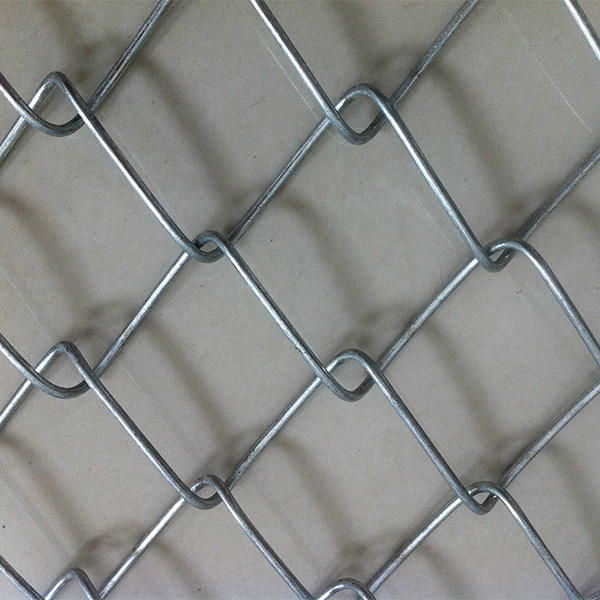
What’s trending (and why it matters)
Schools, ports, and sports parks are asking for heavier zinc and smarter coatings. Duplex systems (galvanizing + polyester powder) are edging out plain GAW in coastal builds. Contractors want faster install hardware, pre-tensioned fabric, and traceable mill certs. In short, durability plus paperwork. Sounds boring; saves budgets.
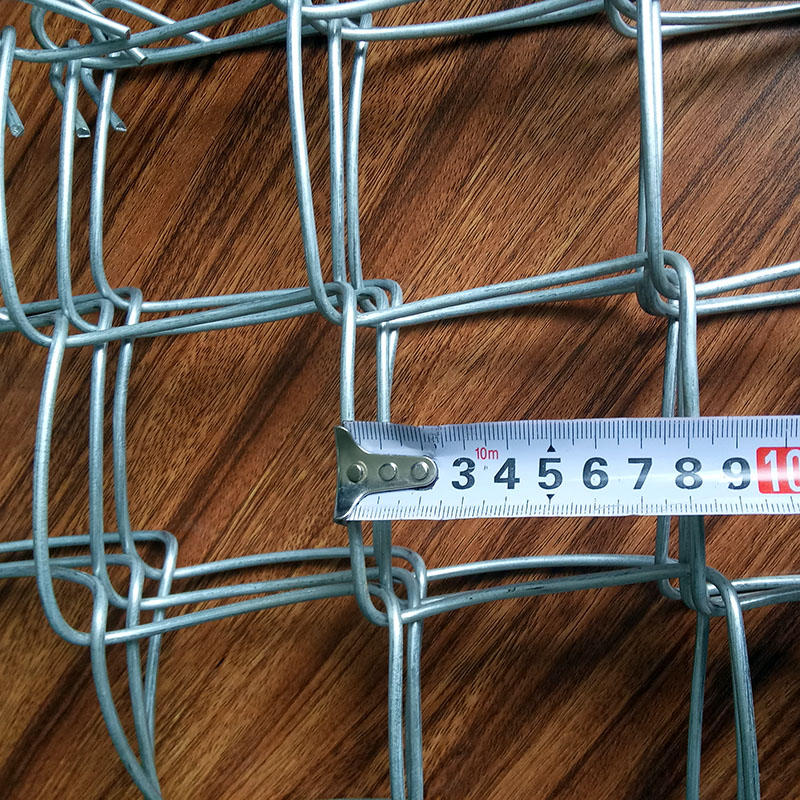
Core product snapshot: Chain Link Fence
Origin: Cuianpu Development Zone Southwest 800 meters, Anping County, Hebei 053600, China. Application staples: school playgrounds, sports fields, highways, railways, gardens, residences, and (believe me) a lot of animal enclosures. Many customers say the install speed and repairability are the clinchers.
| Parameter | Typical Range (≈) | Notes/Standards |
|---|---|---|
| Mesh aperture | 40–60 mm | ASTM A392 Class 1/2; EN 10223-6 |
| Wire gauge | 6–12 ga (≈4.9–2.6 mm) | Q195/Q235 low-carbon; ASTM A641 |
| Zinc coat mass | ≥ 50–366 g/m² | ISO 1461, ASTM A392 |
| Fence height | 1.2–3.0 m | Custom heights available |
| Framework | Ø48–89 mm posts | ASTM F1043; powder topcoat optional |
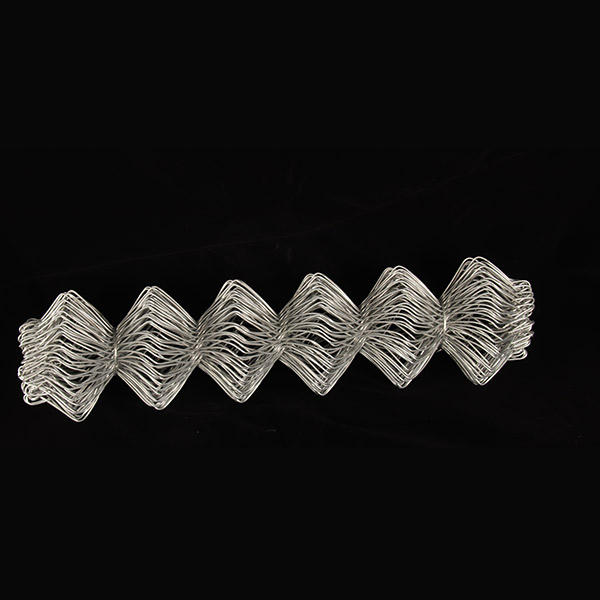
Process flow (field notes)
Materials: low-carbon steel wire (Q195/Q235). Methods: drawing → annealing → galvanizing (GBW or GAW) → weaving → edge treatment (knuckle/twist) → framework fabrication → powder coating (optional RAL). Testing: zinc thickness via ISO 2178 gauge, NSS salt spray per ISO 9227 (480–720 h, real-world use may vary), tensile per ASTM A370, adhesion ASTM D3359 (4B–5B on duplex). Service life: ≈15–25 years inland; ≈10–15 coastal unless duplex coated.
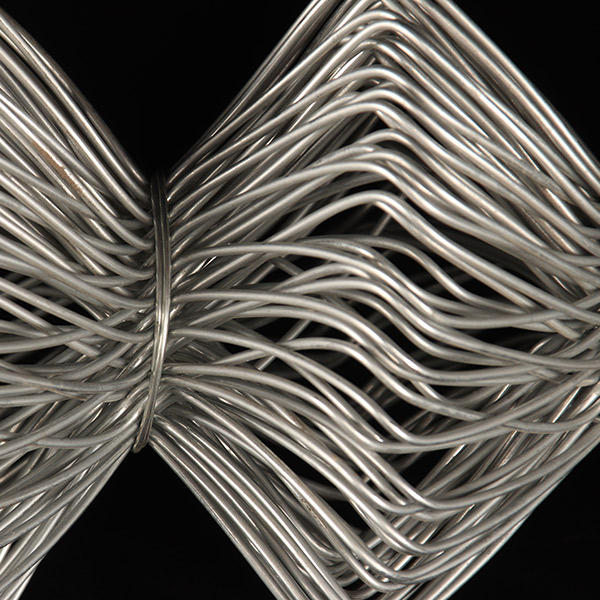
Where it’s used (and why it sticks)
School playgrounds and sports fields (impact-resistant, easy repair). Highways/railheads (long runs, predictable cost). Ports and logistics yards (security with visibility). Breeding farms (ventilation matters). Frankly, the maintenance math keeps bringing buyers back.
Vendor landscape (quick comparison)
| Vendor | Certs | Lead Time | Coatings | Warranty |
|---|---|---|---|---|
| Anping-based factory (this plant) | ISO 9001; test reports on request | 15–25 days | GBW/GAW; duplex powder | Up to 10 yrs (site-dependent) |
| Regional Supplier A | ISO 9001 | 20–30 days | Galvanized only | 5–8 yrs |
| OEM Network B | ISO 9001/14001 | 25–40 days | Galv + PVC coat | 5–10 yrs |
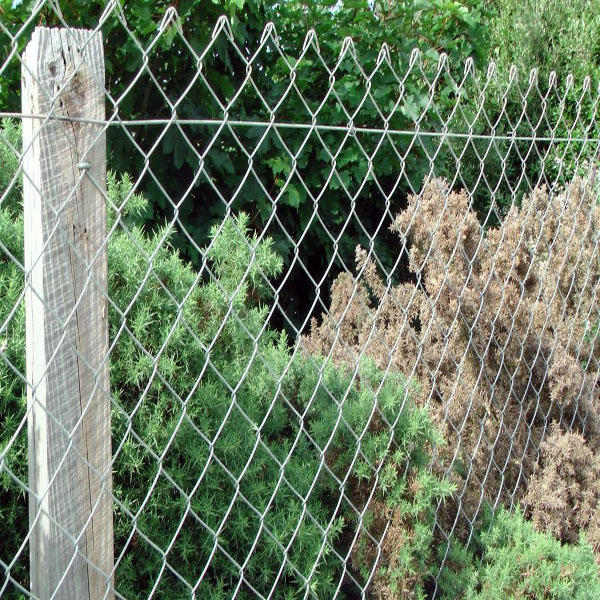
Customization and real-world results
Options: mesh 40–60 mm, wire 6–12 ga, knuckle/knuckle or knuckle/twist edges, powder RAL colors, barb or razor top. A sports complex upgrade I followed shifted to 366 g/m² zinc + polyester topcoat; two seasons in, caretakers report zero red rust and fewer repairs. Another case: a coastal logistics yard chose 50 mm mesh and 9 ga wire to cut vandal flex — security team says deflection dropped, which is exactly what they needed.
Customer feedback? “We install once and stop thinking about it,” one school facilities manager told me. That’s the quiet compliment every [galvanized steel fence factory] hopes to earn.
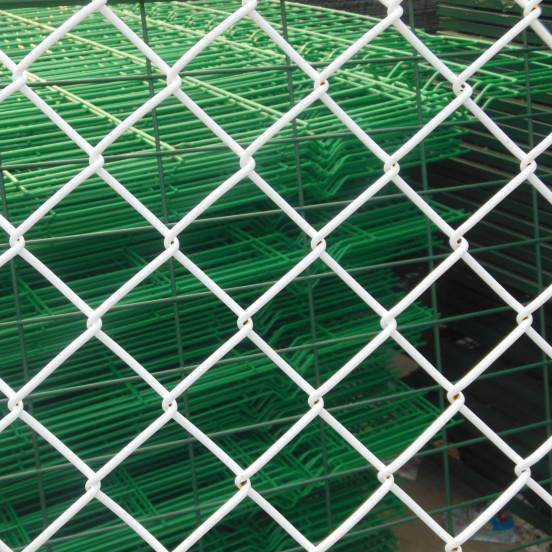
Certifications, tests, and paperwork
Factory runs ISO 9001 QA, keeps heat/batch traceability, and provides material certs. Typical lab data shows ISO 9227 NSS ≥ 720 h on duplex systems (cut-edge creep < 2 mm), tensile 380–550 MPa, and adhesion 4B–5B. Installation guidance follows ASTM F567 and framework spec ASTM F1043, which — I guess — is what separates tidy jobs from wobbly ones. If you’re vetting a [galvanized steel fence factory], ask for these pages up front.
Authoritative citations
-
Wholesale 358 Security Fence Prison Mesh – Durable Perimeter Security Solutions | Building Wire Mesh
NewsDec.09,2025
-
Wholesale Black Annealed Wire Specification & Vendor Comparison
NewsDec.09,2025
-
Wholesale Soft Electro Galvanized Iron Wire | Trusted Industrial Supply
NewsDec.09,2025
-
Wholesale Reinforcing Mesh For Concrete Building – Durable, Cost-Effective Solutions
NewsDec.09,2025
-
Durable Wholesale PVC Coated 2x1x1 Gabion Boxes for Industrial Use
NewsDec.08,2025
-
Wholesale Galvanised Heavy-Gauge Welded Wire Mesh – Durable Industrial Mesh
NewsDec.08,2025
 Afrikaans
 Albanian
 Amharic
 Arabic
 Armenian
 Azerbaijani
 Basque
 Belarusian
 Bengali
 Bosnian
 Bulgarian
 Catalan
 Cebuano
 Corsican
 Croatian
 Czech
Czech
 Danish
 Dutch
Dutch
 Esperanto
 Estonian
 Finnish
 French
 Frisian
 Galician
 Georgian
 German
 Greek
Greek
 Gujarati
 Haitian Creole
 Hausa
Hausa
 Hawaiian
 Hebrew
 Hindi
Hindi
 Miao
Miao
 Hungarian
 Icelandic
 Igbo
Igbo
 Indonesian
 Irish
Irish
 Italian
 Japanese
 Javanese
 Kannada
 Kazakh
 Khmer
Khmer
 Rwandese
 Korean
 Kurdish
 Kyrgyz
 Lao
Lao
 Latin
Latin
 Latvian
 Lithuanian
 Luxembourgish
 Macedonian
 Malgashi
 Malay
Malay
 Malayalam
 Maltese
 Maori
Maori
 Marathi
 Mongolian
 Myanmar
 Nepali
 Norwegian
 Norwegian
 Occitan
 Pashto
 Persian
 Polish
 Portuguese
 Punjabi
 Romanian
 Russian
 Samoan
 Scottish Gaelic
 Serbian
 Sesotho
 Shona
Shona
 Sindhi
 Sinhala
 Slovak
 Slovenian
 Somali
 Spanish
 Sundanese
 Swahili
 Swedish
 Tagalog
 Tajik
Tajik
 Tamil
Tamil
 Tatar
Tatar
 Telugu
 Thai
Thai
 Turkish
 Turkmen
 Ukrainian
 Urdu
Urdu
 Uighur
 Uzbek
Uzbek
 Vietnamese
 Welsh
Welsh
 Bantu
Bantu
 Yiddish
 Yoruba
 Zulu
Zulu
 English