

Oct . 06, 2025 08:35 Back to list
Need a Galvanized Steel Fence Factory - Bulk Pricing & Fast?
Inside a Working Galvanized Steel Fence Operation: Notes from the Floor
Last month I spent a week inside a galvanized steel fence factory in Anping County, Hebei—the address is Cuianpu Development Zone Southwest 800 meters, Anping 053600, China—watching panels come to life for the Canana Temporary Fence line. To be honest, a lot of the magic is in the small decisions: wire gauge here, zinc thickness there, and whether to hot-dip after welding. It seems simple from the outside; in production, every step has a reason.
Industry snapshot and why this matters
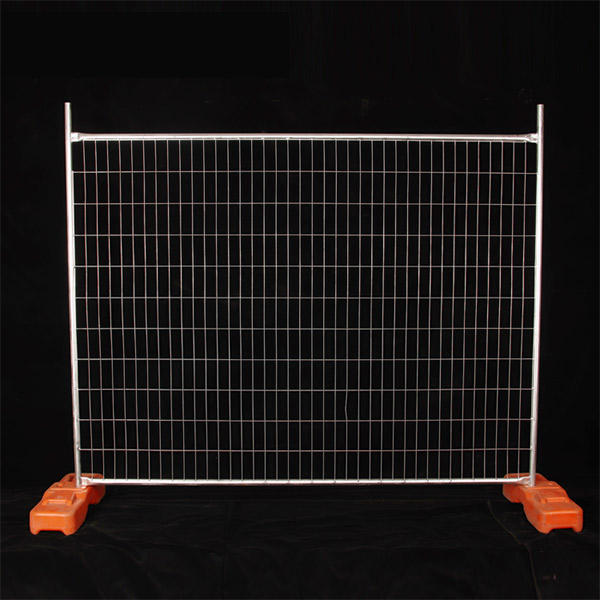
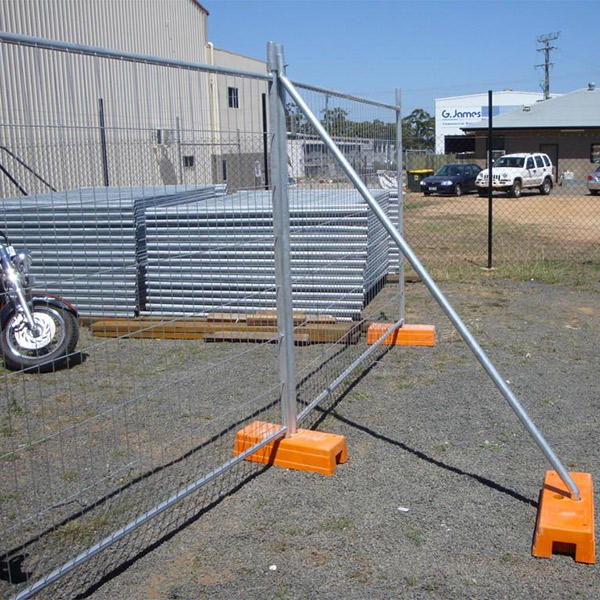
Temporary fencing demand is growing on the back of infrastructure upgrades, event security, and—oddly enough—storm recovery. Contractors want faster installs, longer service life, and panels that don’t shed zinc like confetti after a few winters. The Canana Temporary Fence, constructed with galvanized wires and tubes, sits neatly in that sweet spot: rugged, compliant, and not fussy to maintain.
Core specifications (real-world, not brochure-speak)
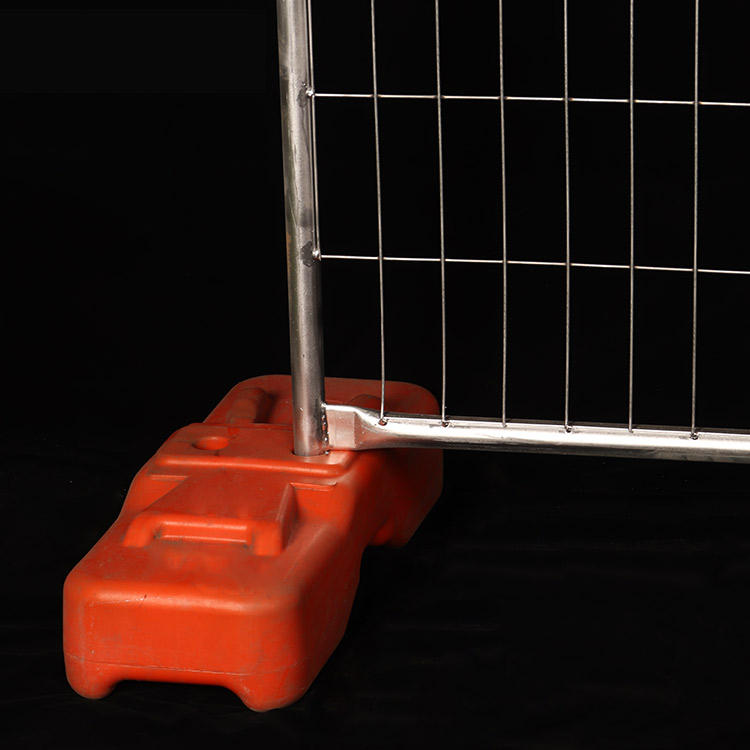
| Item | Typical Spec (≈, may vary) |
|---|---|
| Panel size | 2100–2400 mm H x 2400–3300 mm W |
| Mesh aperture | 50 x 150 mm or 60 x 150 mm |
| Wire diameter | 3.0–4.5 mm (Q235) |
| Frame tube | OD 32–38 mm, 1.2–1.6 mm wall |
| Zinc coating | Pre-galv ≈ 42–70 μm; Hot-dip ≈ 70–100+ μm |
| Bases | HDPE filled, or steel feet; anti-trip profile |
| Service life | 5–12 years depending on climate and coating |
Note: Real-world performance varies with salinity, abrasion, and handling.
How the panels are made (the short, honest version)
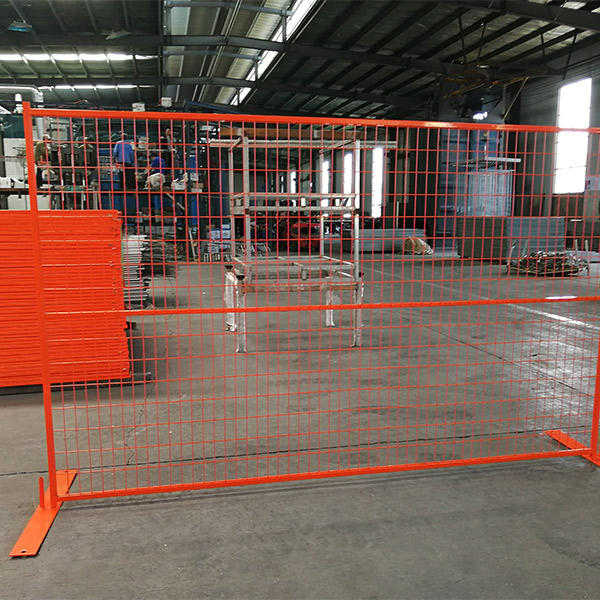
Materials: Q235 low-carbon steel wire and tube. Methods: automatic wire straightening, resistance welding (consistent heat input is crucial), frame cutting and mitering, jig welding for squareness, then pre-galv or hot-dip galvanizing after fabrication. Some projects request powder topcoat for branding—it looks sharp, actually.
Testing and standards: zinc thickness gauged per ISO 1461/ASTM A123, weld shear tests (>3.5–4.0 kN typical), neutral salt spray per ASTM B117 (500–750 h baseline), adhesion and bend tests on coated samples, dimensional tolerance checks ±2–3 mm. Service life? In coastal sites, hot-dip is the safe bet.
Where they’re used
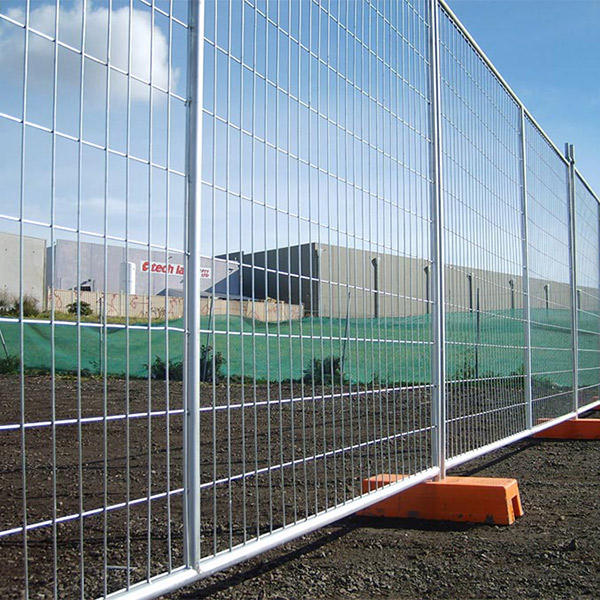
Construction perimeters, road closures, utilities maintenance, event crowd control, and accident spots. Many customers say the lighter 3.5 mm wire is fine for urban sites; heavy-duty yards pick 4.5 mm with anti-climb mesh. Either way, fast clamps and solid bases reduce labor minutes—real savings on a big rollout.
Customization options
- Panel sizes, wire gauge, anti-climb mesh (≈ 50 x 50 mm)
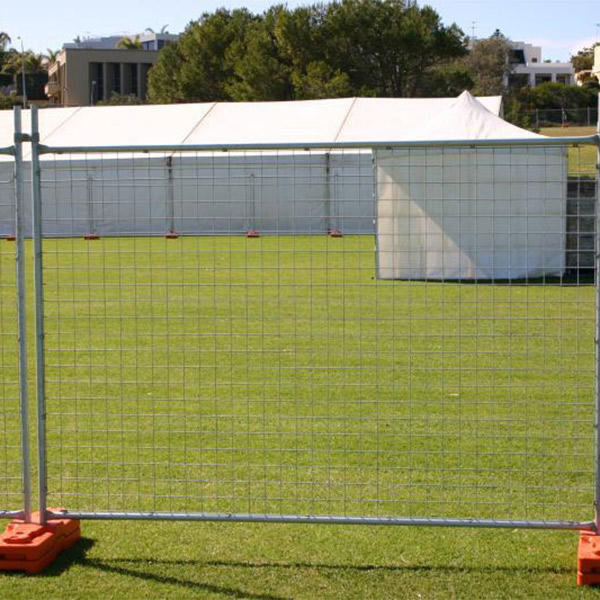
- Bases: orange HDPE, steel flat, or wind-load feet
- Gates, bracing, reflective strips, site branding plates
- Coatings: pre-galv, hot-dip, powder topcoat in RAL colors
Vendor comparison (what I actually look for)
| Vendor | Zinc (μm) | Tolerance | Certs | Lead Time |
|---|---|---|---|---|
| Anping factory (Canana) | 70–100+ | ±2–3 mm | ISO 9001, ISO 1461 | 2–4 weeks |
| Domestic reseller | 50–80 | ±5 mm | Varies | Stock/uncertain |
| Overseas stockist | 60–90 | ±3–4 mm | CSA/CE options | Immediate–6 weeks |
Case notes from the field
- Toronto LRT extension: 1,500 panels, hot-dip after weld, installed in 8 weeks; inspector flagged “clean spangle, consistent welds.”
- Coastal wind farm: powder topcoat + hot-dip, salt spray tested 720 h pre-shipment; zero rust creep at cut edges after 6 months in service.
- Mining laydown yard: heavy bases with bracing; wind gusts ≈ 90 km/h—no panel walk reported, according to site HSE.
If you’re evaluating a galvanized steel fence factory, ask for: zinc thickness reports, weld shear data, salt spray results, and at least two project references. Simple, but it separates marketing from manufacturing pretty quickly.
Origin and contact: Canana Temporary Fence production, Cuianpu Development Zone Southwest 800 meters, Anping County, Hebei 053600, China. The shop floor folks are practical and blunt—in a good way.
Final thought: a reliable galvanized steel fence factory doesn’t just sell panels; it sells fewer headaches on site. That’s the real product.
Authoritative citations
- ISO 1461:2022 – Hot dip galvanized coatings on fabricated iron and steel articles.
- ASTM A123/A123M and ASTM A153/A153M – Zinc (Hot-Dip Galvanized) Coatings on Iron and Steel Products.
- CSA G164 – Hot Dip Galvanizing of Irregularly Shaped Articles.
-
Wholesale 358 Security Fence Prison Mesh – Durable Perimeter Security Solutions | Building Wire Mesh
NewsDec.09,2025
-
Wholesale Black Annealed Wire Specification & Vendor Comparison
NewsDec.09,2025
-
Wholesale Soft Electro Galvanized Iron Wire | Trusted Industrial Supply
NewsDec.09,2025
-
Wholesale Reinforcing Mesh For Concrete Building – Durable, Cost-Effective Solutions
NewsDec.09,2025
-
Durable Wholesale PVC Coated 2x1x1 Gabion Boxes for Industrial Use
NewsDec.08,2025
-
Wholesale Galvanised Heavy-Gauge Welded Wire Mesh – Durable Industrial Mesh
NewsDec.08,2025
 Afrikaans
 Albanian
 Amharic
 Arabic
 Armenian
 Azerbaijani
 Basque
 Belarusian
 Bengali
 Bosnian
 Bulgarian
 Catalan
 Cebuano
 Corsican
 Croatian
 Czech
Czech
 Danish
 Dutch
Dutch
 Esperanto
 Estonian
 Finnish
 French
 Frisian
 Galician
 Georgian
 German
 Greek
Greek
 Gujarati
 Haitian Creole
 Hausa
Hausa
 Hawaiian
 Hebrew
 Hindi
Hindi
 Miao
Miao
 Hungarian
 Icelandic
 Igbo
Igbo
 Indonesian
 Irish
Irish
 Italian
 Japanese
 Javanese
 Kannada
 Kazakh
 Khmer
Khmer
 Rwandese
 Korean
 Kurdish
 Kyrgyz
 Lao
Lao
 Latin
Latin
 Latvian
 Lithuanian
 Luxembourgish
 Macedonian
 Malgashi
 Malay
Malay
 Malayalam
 Maltese
 Maori
Maori
 Marathi
 Mongolian
 Myanmar
 Nepali
 Norwegian
 Norwegian
 Occitan
 Pashto
 Persian
 Polish
 Portuguese
 Punjabi
 Romanian
 Russian
 Samoan
 Scottish Gaelic
 Serbian
 Sesotho
 Shona
Shona
 Sindhi
 Sinhala
 Slovak
 Slovenian
 Somali
 Spanish
 Sundanese
 Swahili
 Swedish
 Tagalog
 Tajik
Tajik
 Tamil
Tamil
 Tatar
Tatar
 Telugu
 Thai
Thai
 Turkish
 Turkmen
 Ukrainian
 Urdu
Urdu
 Uighur
 Uzbek
Uzbek
 Vietnamese
 Welsh
Welsh
 Bantu
Bantu
 Yiddish
 Yoruba
 Zulu
Zulu
 English