

Sep . 15, 2025 08:00 Back to list
Welded Wire Mesh for Industry Factory - Durable & Custom Solutions
The Strategic Role of Welded Wire Mesh in Industrial Operations
In the complex ecosystem of modern manufacturing and infrastructure, materials engineering plays a pivotal role in ensuring durability, efficiency, and safety. Among the indispensable components, welded wire mesh for industry factory applications stands out as a versatile and robust solution. This specialized material is engineered to meet the rigorous demands of various industrial environments, from structural reinforcement in construction to critical filtration in petrochemical facilities. Its exceptional strength-to-weight ratio, ease of customization, and longevity make it a preferred choice for B2B decision-makers and engineers seeking reliable and cost-effective material solutions.
The demand for high-performance welded wire mesh for industry factories continues to grow, driven by advancements in automation, stricter regulatory standards, and an increasing focus on sustainable construction practices. Manufacturers in this sector are continually innovating, utilizing advanced galvanization techniques and precision welding processes to enhance product performance and extend service life. This comprehensive guide delves into the manufacturing processes, technical specifications, diverse applications, and strategic advantages that make welded wire mesh a cornerstone of industrial material science.
Manufacturing Process Flow for Industrial Welded Wire Mesh
The production of high-quality welded wire mesh for industry manufacturer operations involves a meticulously controlled process, ensuring superior material integrity and consistent product specifications. The primary raw material is typically high-quality carbon steel wire, which often undergoes galvanization for enhanced corrosion resistance.
Key Process Steps:
- Wire Drawing: High-carbon steel rods are drawn through a series of dies to achieve the desired wire gauge (diameter). This process enhances tensile strength and surface finish.
- Straightening and Cutting: The drawn wire is precisely straightened to eliminate kinks and then cut into specific lengths for cross wires and continuous lengths for line wires, depending on the mesh configuration.
- Resistance Welding: The core of the manufacturing process involves advanced automated welding machines. Line wires are fed continuously, while cross wires are placed at programmed intervals. Electric resistance welding fuses the wires at each intersection point, creating a strong, uniform grid. This method ensures high weld shear strength, critical for industrial applications.
- Surface Treatment (Post-Welding Galvanization): For enhanced corrosion resistance, many industrial welded wire mesh products undergo hot-dip galvanization after welding. This process involves immersing the fabricated mesh panels into a bath of molten zinc, creating a metallurgical bond that provides a sacrificial corrosion barrier. This is particularly crucial for applications in harsh environments, making it ideal for galvanized brick coil wire mesh masonry factory output.
- Quality Control & Testing: Throughout the process, stringent quality control measures are implemented. This includes visual inspection for weld integrity, dimensional checks (mesh opening, wire diameter), and mechanical testing for tensile strength, yield strength, and weld shear strength. Products are tested against international standards such as ISO 9001, ASTM A740 (Standard Specification for Hardware Cloth (Woven or Welded Wire Fabric)), and ANSI specifications, ensuring reliable performance in demanding environments.
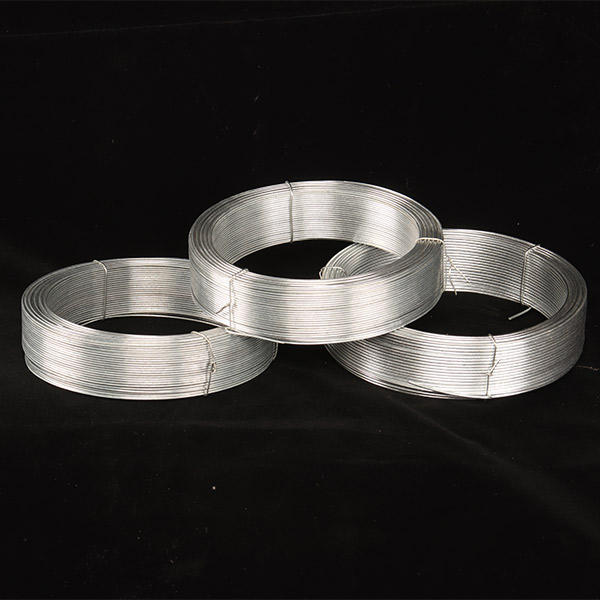
- Finishing & Packaging: The finished mesh is then cut into panels or rolled into coils, depending on customer specifications, and prepared for shipment.
The service life of properly manufactured and installed welded wire mesh for industry factories can exceed 20-30 years, particularly with robust galvanization, minimizing maintenance requirements and total cost of ownership.
Industry Trends and Technological Advancements
The industrial landscape for welded wire mesh for industry suppliers is dynamic, continually evolving with technological advancements and shifting market demands. Key trends include:
- Automation and AI Integration: Automated welding lines with AI-driven quality control systems are becoming standard, enhancing precision, reducing waste, and increasing production speed for welded wire mesh for industry manufacturers.
- Sustainable Manufacturing: There's a growing emphasis on eco-friendly production processes, including reduced energy consumption, waste recycling, and the use of sustainable raw materials.
- Advanced Coatings and Materials: Beyond standard galvanization, specialized coatings (e.g., PVC coating, powder coating) are gaining traction for enhanced aesthetics, UV resistance, and chemical protection in specific industrial niches.
- Customization and Modularity: The trend towards bespoke solutions, where manufacturers offer highly customized mesh sizes, wire diameters, and panel dimensions to meet unique project requirements, is accelerating.
- Digitalization of Supply Chains: Integration of IoT and digital platforms for inventory management, order tracking, and predictive maintenance is streamlining operations for welded wire mesh for industry suppliers and improving responsiveness to client needs.
Technical Specifications and Performance Parameters
Understanding the technical specifications of welded wire mesh for industry factory applications is crucial for selecting the appropriate product. Key parameters include wire gauge, mesh opening, material composition, and surface treatment.
Typical Product Specification Table (Hot-Dip Galvanized Welded Wire Mesh)
These specifications ensure that galvanized brick coil wire mesh masonry factories can produce materials suitable for diverse and demanding applications.
Application Scenarios and Technical Advantages
The versatility of welded wire mesh for industry factories makes it indispensable across a multitude of sectors:
Target Industries:
- Petrochemical Industry: Used for filtration, support grids for catalysts, safety barriers, and walkways. Its corrosion resistance is paramount in these aggressive chemical environments.
- Metallurgy and Mining: Employed in screening processes for raw materials, reinforcement in mine shafts, and conveyor belt guards. The high tensile and weld shear strength ensures durability under heavy loads and abrasive conditions.
- Water Supply & Drainage: Critical for trench reinforcement, filter media support, and sediment control, offering excellent resistance to water-borne corrosion.
- Construction & Infrastructure: Reinforcement for concrete slabs, walls, and precast elements, significantly enhancing structural integrity and reducing cracking. Also used in gabion baskets for erosion control and retaining walls. This is where galvanized brick coil wire mesh masonry factories play a vital role.
- Agriculture and Farming: Fencing for livestock, crop protection, and construction of enclosures.
- Manufacturing and Logistics: Machine guarding, storage cages, shelving, and pallet racking infill panels, ensuring safety and optimizing space.
Demonstrated Advantages in Typical Application Scenarios:
- Corrosion Resistance: Hot-dip galvanized welded mesh offers superior protection against rust and corrosion, extending its service life in outdoor, humid, or chemically exposed environments, leading to significant cost savings on maintenance and replacement.
- Structural Integrity & Strength: The precision welding at each intersection creates a rigid and robust structure, capable of bearing substantial loads and resisting deformation. This translates to enhanced safety and reliability in critical infrastructure projects.
- Ease of Installation: Available in pre-fabricated panels or rolls, welded wire mesh is easy to cut, shape, and install, reducing labor costs and project timelines.
- Cost-Effectiveness: While initial investment might vary, the long service life, minimal maintenance, and structural benefits often result in a lower total cost of ownership compared to alternative materials.
- Energy Saving (Indirect): In building applications, using welded wire mesh for reinforcement can enable thinner concrete sections without compromising strength, potentially reducing material consumption and the embodied energy of construction. For filtration, optimized mesh can improve flow, reducing pumping energy.
Vendor Comparison and Customized Solutions
Choosing the right welded wire mesh for industry supplier is critical for project success. A robust supplier offers not only standard products but also flexible, customized solutions.
Key Factors for Vendor Comparison:
- Certifications: Look for ISO 9001 certification (Quality Management), ASTM compliance, and other relevant industry-specific accreditations. This demonstrates adherence to international quality standards.
- Manufacturing Capabilities: Assess production capacity, range of wire diameters, mesh sizes, and coating options. A modern facility with advanced machinery signifies superior product quality.
- Customization Expertise: A top-tier welded wire mesh for industry manufacturer should offer bespoke solutions, including custom mesh dimensions, specific wire materials (e.g., stainless steel), specialized coatings, and intricate panel fabrication to meet unique engineering requirements.
- Technical Support: Reliable vendors provide comprehensive technical assistance, from design consultation and material selection to installation guidance.
- Lead Time and Logistics: Efficient supply chain management, clear lead times, and reliable global shipping capabilities are paramount for B2B operations.
- After-Sales Service and Warranty: A strong commitment to product quality is often backed by clear warranty terms and responsive customer support.
Customization for Specialized Requirements:
Leading welded wire mesh for industry manufacturers understand that off-the-shelf solutions rarely suffice for complex industrial projects. Customization options include:
- Variable Mesh Apertures: Production of mesh with non-uniform openings within a single panel for specialized filtration or security applications.
- Precision Cut-to-Size Panels: Delivering exact dimensions, pre-cut and often pre-bent, to minimize on-site fabrication and waste.
- Material Blending: Utilizing specific alloys or varying wire diameters within the same mesh to achieve targeted mechanical properties (e.g., enhanced ductility in certain directions).
- Integrated Fasteners or Edge Treatments: Including welded frames, mounting brackets, or specialized edge finishes for seamless integration into existing structures or machinery.
Application Case Studies & Customer Feedback
Real-world implementations highlight the critical role of high-quality welded wire mesh for industry factories.
Case Study 1: Petrochemical Filtration Grids
A major petrochemical plant required robust, corrosion-resistant support grids for catalyst beds in their refining units. Standard mesh failed prematurely due to chemical aggression and high temperatures. A specialized welded wire mesh for industry manufacturer supplied custom-fabricated panels using galvanized high-tensile steel wire with a 25x25mm aperture. The precise welding and hot-dip galvanization (275 g/m² zinc coating) ensured a service life exceeding 15 years, significantly reducing downtime and replacement costs. The client reported "unprecedented durability and consistent filtration efficiency."
Case Study 2: Mine Shaft Reinforcement
In a challenging underground mining environment, traditional concrete reinforcement proved inefficient for rockfall protection. A mining company implemented high-strength, galvanized welded wire mesh for industry factories, specifically large panels (3m x 5m) with 6mm diameter wires and 75x75mm mesh openings. The mesh's ability to conform to irregular tunnel surfaces and its superior load distribution properties drastically improved worker safety and reduced the risk of localized rockbursts. Customer feedback emphasized the "enhanced safety and ease of installation in confined spaces."
Case Study 3: Large-Scale Industrial Fencing
An automotive manufacturing plant needed secure perimeter fencing that could withstand harsh weather and deter intrusion. They opted for heavy-gauge, PVC-coated welded wire mesh for industry factory panels. The PVC coating, applied over hot-dip galvanization, provided dual protection against corrosion and UV degradation, while the strong welded joints offered formidable security. The project was completed ahead of schedule, with the facility manager noting the "excellent aesthetic integration and long-term, maintenance-free performance."
Trustworthiness & Operational Details
Frequently Asked Questions (FAQ)
- Q: What is the typical lead time for custom welded wire mesh for industry factories orders?
- A: Lead times vary based on complexity and order volume. For standard products, it's typically 2-4 weeks. Customized or large-scale projects may require 6-10 weeks. Expedited options are often available upon request.
- Q: What warranty is offered on industrial welded wire mesh for industry manufacturers products?
- A: Our products typically come with a 5-10 year limited warranty against manufacturing defects and premature corrosion (for galvanized products) under normal use conditions, subject to specific product terms and conditions.
- Q: Can you provide samples for material testing?
- A: Yes, we understand the importance of material verification. We can provide product samples upon request for your engineering team's evaluation and testing.
- Q: Do you offer installation guidance or technical support for complex projects?
- A: Absolutely. Our technical team is available for consultation, providing detailed product data sheets, engineering advice, and installation best practices to ensure optimal project outcomes.
Lead Time and Fulfillment Details
Our advanced production facilities and streamlined logistics network enable efficient order fulfillment. We maintain a substantial inventory of standard welded wire mesh for industry factories products to facilitate rapid dispatch. For custom orders, a detailed production schedule and estimated delivery date are provided at the time of order confirmation. We leverage a global shipping network to ensure timely delivery to diverse industrial sites.
Warranty Commitments
We stand by the quality and performance of our galvanized brick coil wire mesh masonry factories materials. Our warranty reflects our confidence in the durability and longevity of our products, ensuring peace of mind for our industrial partners. Specific warranty periods and conditions are outlined in our product documentation.
Customer Support Information
Our dedicated B2B customer support team is available to assist with inquiries, technical specifications, order tracking, and after-sales service. We pride ourselves on responsive and knowledgeable support, ensuring that our clients receive comprehensive assistance throughout their partnership with us.
Conclusion
The strategic integration of high-quality welded wire mesh for industry factories is more than a material choice; it is an investment in long-term operational efficiency, safety, and structural integrity. From the meticulous process of wire drawing and precision resistance welding to robust galvanization and stringent quality control, every step ensures a product capable of meeting the diverse and demanding requirements of modern industry. By understanding the technical specifications, leveraging customized solutions, and partnering with authoritative manufacturers, B2B stakeholders can unlock significant value and enhance the resilience of their industrial infrastructure. As industries continue to evolve, the adaptability and enduring performance of industrial welded wire mesh will cement its role as an indispensable material solution.
References
- ASTM A740/A740M-16, Standard Specification for Hardware Cloth (Woven or Welded Wire Fabric) Galvanized After Fabrication. ASTM International.
- ISO 9001:2015, Quality management systems – Requirements. International Organization for Standardization.
- Zinc Handbook: Properties, Processing, and Applications. International Zinc Association.
- Galvanizing: A Guide to Zinc Coatings. American Galvanizers Association.
- Welding Handbook, Volume 1: Fundamentals of Welding. American Welding Society.
-
Wholesale 358 Security Fence Prison Mesh – Durable Perimeter Security Solutions | Building Wire Mesh
NewsDec.09,2025
-
Wholesale Black Annealed Wire Specification & Vendor Comparison
NewsDec.09,2025
-
Wholesale Soft Electro Galvanized Iron Wire | Trusted Industrial Supply
NewsDec.09,2025
-
Wholesale Reinforcing Mesh For Concrete Building – Durable, Cost-Effective Solutions
NewsDec.09,2025
-
Durable Wholesale PVC Coated 2x1x1 Gabion Boxes for Industrial Use
NewsDec.08,2025
-
Wholesale Galvanised Heavy-Gauge Welded Wire Mesh – Durable Industrial Mesh
NewsDec.08,2025
 Afrikaans
 Albanian
 Amharic
 Arabic
 Armenian
 Azerbaijani
 Basque
 Belarusian
 Bengali
 Bosnian
 Bulgarian
 Catalan
 Cebuano
 Corsican
 Croatian
 Czech
Czech
 Danish
 Dutch
Dutch
 Esperanto
 Estonian
 Finnish
 French
 Frisian
 Galician
 Georgian
 German
 Greek
Greek
 Gujarati
 Haitian Creole
 Hausa
Hausa
 Hawaiian
 Hebrew
 Hindi
Hindi
 Miao
Miao
 Hungarian
 Icelandic
 Igbo
Igbo
 Indonesian
 Irish
Irish
 Italian
 Japanese
 Javanese
 Kannada
 Kazakh
 Khmer
Khmer
 Rwandese
 Korean
 Kurdish
 Kyrgyz
 Lao
Lao
 Latin
Latin
 Latvian
 Lithuanian
 Luxembourgish
 Macedonian
 Malgashi
 Malay
Malay
 Malayalam
 Maltese
 Maori
Maori
 Marathi
 Mongolian
 Myanmar
 Nepali
 Norwegian
 Norwegian
 Occitan
 Pashto
 Persian
 Polish
 Portuguese
 Punjabi
 Romanian
 Russian
 Samoan
 Scottish Gaelic
 Serbian
 Sesotho
 Shona
Shona
 Sindhi
 Sinhala
 Slovak
 Slovenian
 Somali
 Spanish
 Sundanese
 Swahili
 Swedish
 Tagalog
 Tajik
Tajik
 Tamil
Tamil
 Tatar
Tatar
 Telugu
 Thai
Thai
 Turkish
 Turkmen
 Ukrainian
 Urdu
Urdu
 Uighur
 Uzbek
Uzbek
 Vietnamese
 Welsh
Welsh
 Bantu
Bantu
 Yiddish
 Yoruba
 Zulu
Zulu
 English