

Oct . 08, 2025 22:35 Back to list
Why Durable, Custom Welded Wire Mesh for Industry Factory?
Welded Wire Panel for Modern Factories: What Actually Matters on the Floor
If you’re specifying welded wire mesh for industry factory projects, the brief usually sounds simple: strong, flat, consistent, corrosion‑resistant. In reality, plant managers quietly add a few more: predictable lead times, traceable steel, and welds that don’t pop during forklift impacts. I’ve walked more than a few production lines where the panels looked fine on day one but told a different story after six months.
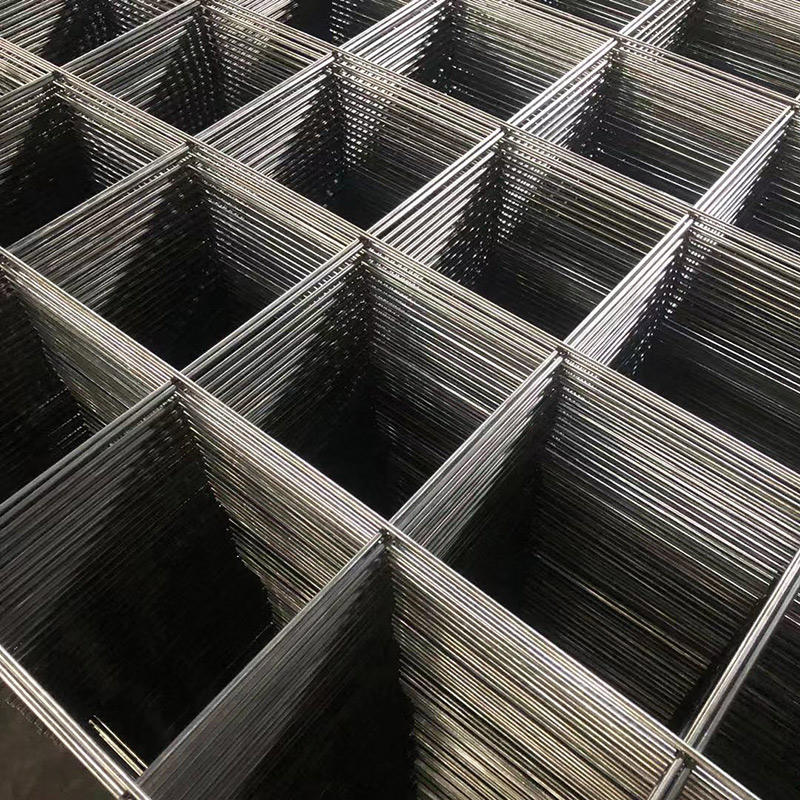
Quick context and where it fits
The Welded Wire Panel from Anping (Origin: Cuianpu Development Zone Southwest 800 meters, Anping County, Hebei 053600, China) shows up everywhere: reinforcing concrete slabs and brick walls, machine guarding, crowd/animal barriers, pallet rack backs, even cages in food and agriculture. Trend‑wise, factories are moving to pre‑galvanized or hot‑dip after welding for longer intervals between maintenance, and I’m seeing more requests for automated QC logs (weld current/time curves) to satisfy audits.
Typical specs (real-world ranges)
| Material | Low‑carbon steel (Q195/Q235), SS304/316 for hygiene zones |
| Wire Ø | 2.5–6.0 mm (≈ 12–4 gauge) |
| Aperture | 25×25, 50×50, 50×100, 75×150 mm (others on request) |
| Panel size | 1×2 m, 1.2×2.4 m, 2×3 m; custom up to ≈ 2.4×6 m |
| Coating | Pre‑galv, hot‑dip (ISO 1461 ≈ 45–85 μm), or PVC powder |
| Weld shear | ≥ 70% of wire tensile (per ASTM A1064 guidance) |
| Tolerances | Mesh ±3 mm/m; panel flatness ≤ 5 mm/m |
| Service life | Indoor dry 10–20 yrs; coastal outdoor 5–10 yrs; SS: 15–25 yrs (≈) |
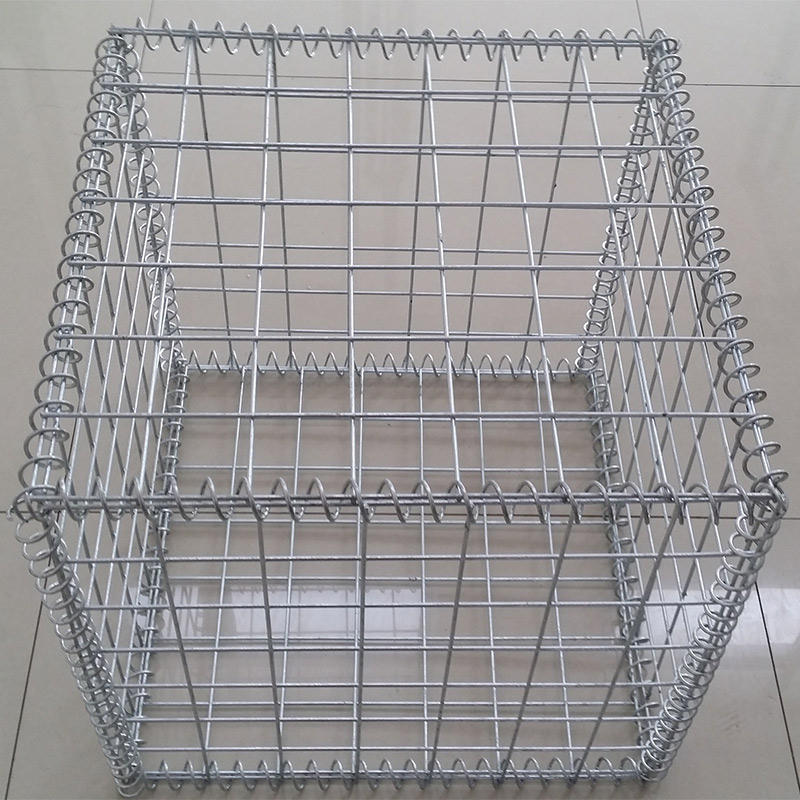
Process flow and testing (short version)
Materials: Q195/Q235 low‑carbon wire, or SS304/316 drawn to size. Welding: multi‑spot resistance welding with constant‑current control; file says weld nugget ≈ 3–5 mm for 4–5 mm wire. Post‑treatment: leveling, trimming, optional hot‑dip galvanizing or powder coating. Tests: tensile per ASTM A370, coating per ISO 1461/ASTM A641, weld shear sampling per ASTM A1064, aperture and diagonal checks. Many customers say they like seeing the weld current/time chart exported—small thing, big confidence.
Vendor snapshot (what I compare)
| Vendor | Coating (typ.) | Weld shear | MOQ / Lead | Certs | Notes |
|---|---|---|---|---|---|
| Welded Wire Panel (Anping, Hebei) | Hot‑dip 45–85 μm; PVC color options | ≥70% tensile (batch tested) | ≈ 500 pcs / 10–20 days | ISO 9001, RoHS paint | Traceable heats; stable pricing |
| EU Regional Distributor | Pre‑galv light | Spec‑compliant | Stock / 3–7 days | CE docs, REACH | Fast delivery; higher cost |
| Low‑cost Import Line | Mixed thickness | Varies by batch | Large / 25–40 days | Factory CoC | Budget; verify welds |
Applications and small case notes
• Concrete reinforcement: 50×50 mm, Ø4–6 mm panels saved ≈ 12% placement time versus rebar in a packaging plant floor retrofit.
• Machine guarding: 50×100 mm, Ø3–4 mm with powder coat; a Midwest client reports zero panel deformation after a year of pallet impacts.
• Food & ag: SS304 panels in poultry cages; washdowns 2× daily—no pitting after 18 months, which is honestly better than expected.
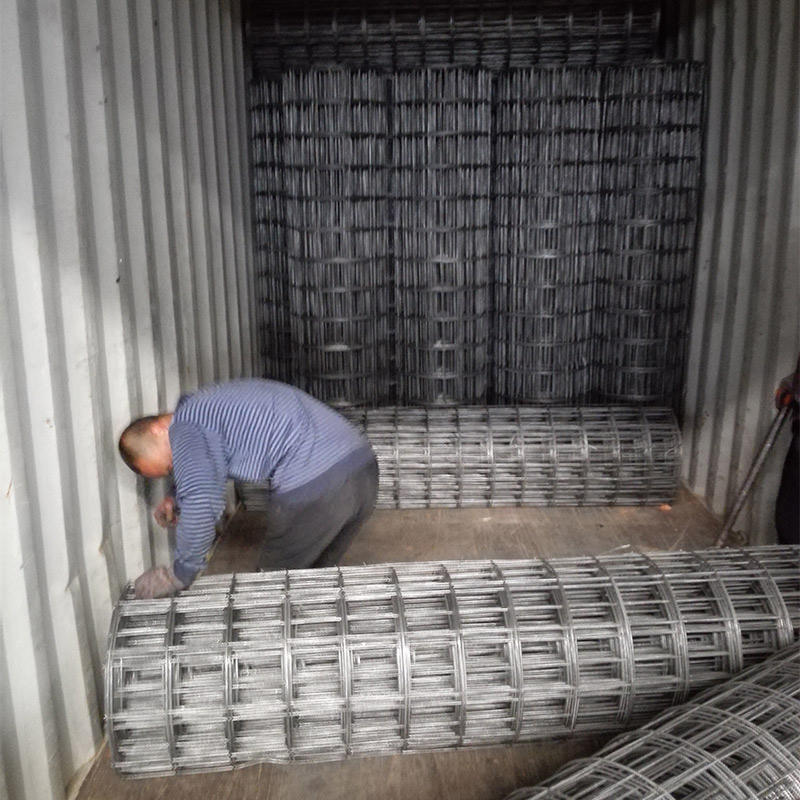
Customization and purchasing tips
Ask for: mill certs, weld shear samples, coating thickness report, and flatness data. For corrosive zones, spec hot‑dip after welding, not just pre‑galv. For hygienic layouts, SS304/316 with radiused cut edges helps cleaning. And yes, request edge trimming to avoid burrs—operators will thank you.
In short, welded wire mesh for industry factory buying should balance spec discipline with pragmatic checks: do the panels stack flat, and do they pass a quick hammer tap on random welds? Surprisingly telling. When in doubt, get three panels first, abuse them, then release the PO.
Standards, certifications, and data points
Built against ASTM A1064 for welded reinforcement; zinc per ISO 1461 or ASTM A641 (wire), with ISO 9001 QMS. Food‑contact frames often align to HACCP principles; fencing meshes reference EN 10223 in some regions.
-
Wholesale 358 Security Fence Prison Mesh – Durable Perimeter Security Solutions | Building Wire Mesh
NewsDec.09,2025
-
Wholesale Black Annealed Wire Specification & Vendor Comparison
NewsDec.09,2025
-
Wholesale Soft Electro Galvanized Iron Wire | Trusted Industrial Supply
NewsDec.09,2025
-
Wholesale Reinforcing Mesh For Concrete Building – Durable, Cost-Effective Solutions
NewsDec.09,2025
-
Durable Wholesale PVC Coated 2x1x1 Gabion Boxes for Industrial Use
NewsDec.08,2025
-
Wholesale Galvanised Heavy-Gauge Welded Wire Mesh – Durable Industrial Mesh
NewsDec.08,2025
 Afrikaans
 Albanian
 Amharic
 Arabic
 Armenian
 Azerbaijani
 Basque
 Belarusian
 Bengali
 Bosnian
 Bulgarian
 Catalan
 Cebuano
 Corsican
 Croatian
 Czech
Czech
 Danish
 Dutch
Dutch
 Esperanto
 Estonian
 Finnish
 French
 Frisian
 Galician
 Georgian
 German
 Greek
Greek
 Gujarati
 Haitian Creole
 Hausa
Hausa
 Hawaiian
 Hebrew
 Hindi
Hindi
 Miao
Miao
 Hungarian
 Icelandic
 Igbo
Igbo
 Indonesian
 Irish
Irish
 Italian
 Japanese
 Javanese
 Kannada
 Kazakh
 Khmer
Khmer
 Rwandese
 Korean
 Kurdish
 Kyrgyz
 Lao
Lao
 Latin
Latin
 Latvian
 Lithuanian
 Luxembourgish
 Macedonian
 Malgashi
 Malay
Malay
 Malayalam
 Maltese
 Maori
Maori
 Marathi
 Mongolian
 Myanmar
 Nepali
 Norwegian
 Norwegian
 Occitan
 Pashto
 Persian
 Polish
 Portuguese
 Punjabi
 Romanian
 Russian
 Samoan
 Scottish Gaelic
 Serbian
 Sesotho
 Shona
Shona
 Sindhi
 Sinhala
 Slovak
 Slovenian
 Somali
 Spanish
 Sundanese
 Swahili
 Swedish
 Tagalog
 Tajik
Tajik
 Tamil
Tamil
 Tatar
Tatar
 Telugu
 Thai
Thai
 Turkish
 Turkmen
 Ukrainian
 Urdu
Urdu
 Uighur
 Uzbek
Uzbek
 Vietnamese
 Welsh
Welsh
 Bantu
Bantu
 Yiddish
 Yoruba
 Zulu
Zulu
 English