

Sep . 10, 2025 05:35 Back to list
Chain Link Fence: Durable & Versatile Fencing Solution | Anping County Puersen Hardware Wire Mesh Products Co., Ltd.
Introduction
Chain link fences, also known as wire mesh or cyclone fences, are a staple in modern fencing solutions due to their robust construction and adaptability. These fences are engineered with a distinctive diamond mesh pattern, typically made from galvanized steel or PVC-coated steel wires. Their versatility makes them ideal for a wide range of applications, from securing school playgrounds to demarcating residential boundaries. This article explores the features, technical specifications, applications, and the company behind this reliable fencing system.
Product Overview
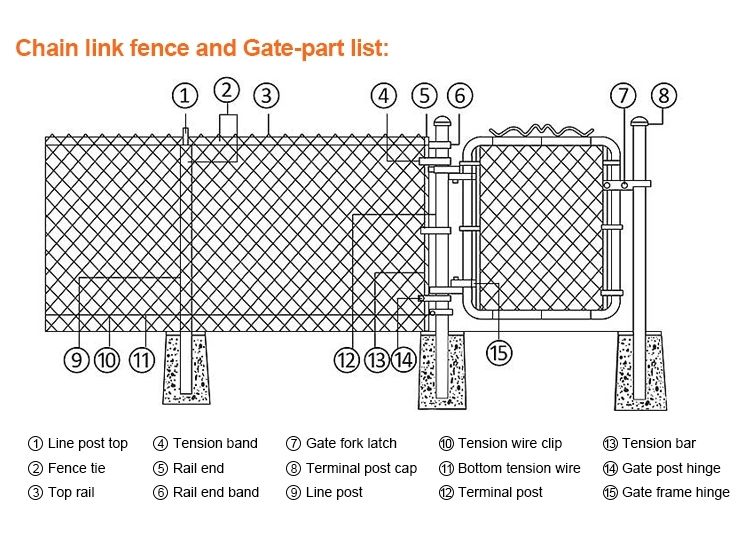
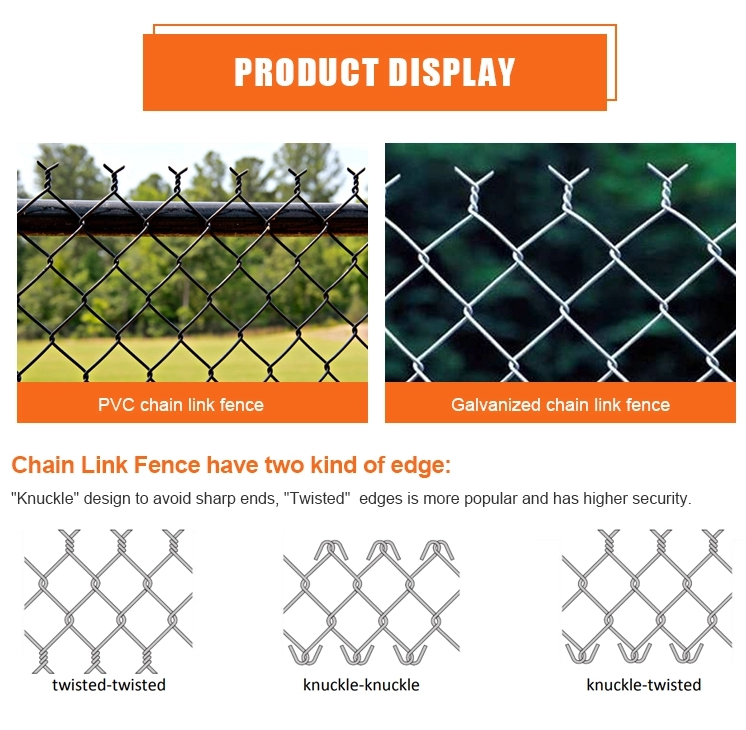
Chain link fences are characterized by their zig-zag patterned wires that form a diamond mesh structure. This design not only enhances the fence's durability but also allows for flexibility in installation. The primary materials used are galvanized steel and PVC-coated steel, available in green or black colors. The galvanization process involves coating the steel with a layer of zinc, which provides corrosion resistance, while the PVC coating adds an extra layer of protection against environmental elements.
For a closer look at the product, view the product page for detailed specifications and additional images.
Key Features and Advantages
1. Durability and Longevity
The galvanized steel construction ensures that chain link fences can withstand harsh weather conditions, including rain, snow, and UV exposure. The PVC coating further enhances resistance to rust and fading, making these fences suitable for both indoor and outdoor use. According to the National Institute of Standards and Technology (NIST), materials with proper corrosion protection can extend the lifespan of structures by up to 50%.
2. Flexibility and Adaptability
Chain link fences are highly flexible, allowing them to conform to uneven terrain. This adaptability makes them ideal for use in high-traffic areas such as highways, railways, and ports. Their modular design also facilitates easy installation and maintenance.
3. Cost-Effectiveness
Compared to other fencing options like wood or wrought iron, chain link fences offer a more affordable solution without compromising on quality. The low maintenance requirements further reduce long-term costs, making them a popular choice for schools, residential areas, and commercial properties.
4. Safety and Security
Chain link fences are commonly used in children's playgrounds and recreational areas due to their ability to create a secure boundary. The diamond mesh design prevents unauthorized access while allowing visibility, which is crucial for safety in public spaces.
Technical Specifications
| Mesh Opening | 1'' (25mm), 1.5'' (40mm), 2'' (50mm), 2-1/4" (57mm), 2-3/8'' (60mm), 2-1/2" (65mm), 2-5/8" (70mm), 3'' (75mm), 4'' (100mm) |
|---|---|
| Wire Diameter | 18Ga - 13Ga (1.2mm - 2.4mm), 16Ga - 8Ga (1.6mm - 4.2mm), 14Ga - 6Ga (2.0mm - 5.00mm) |
| Width of Per Roll | 50M - 100M (or more) |
| Length of Per Roll | 0.5M - 6.0M |
| Round Post & Rail Diameter | 32mm, 42mm, 48mm, 60mm, 76mm, 89mm |
| Round Post & Rail Thickness | 0.8-5.0mm |
| Surface Treatment | Hot-dipped galvanized or PVC coated |
Custom specifications are available based on customer requirements. For detailed information, visit the product page.
Applications and Use Cases
Chain link fences are widely used across various sectors due to their versatility. Some common applications include:
- Playgrounds and Schools: The fence's secure yet visible design makes it ideal for creating safe boundaries in educational institutions.
- Residential Areas: Homeowners often choose chain link fences for their affordability and durability in defining property lines.
- Highways and Railways: These fences are used to protect infrastructure and prevent unauthorized access to critical areas.
- Ports and Industrial Zones: Their robust construction ensures security in high-traffic and potentially hazardous environments.
- Animal Enclosures: The fence's strength and flexibility make it suitable for housing livestock or pets.
For more examples of applications, explore the product page.
Company Background
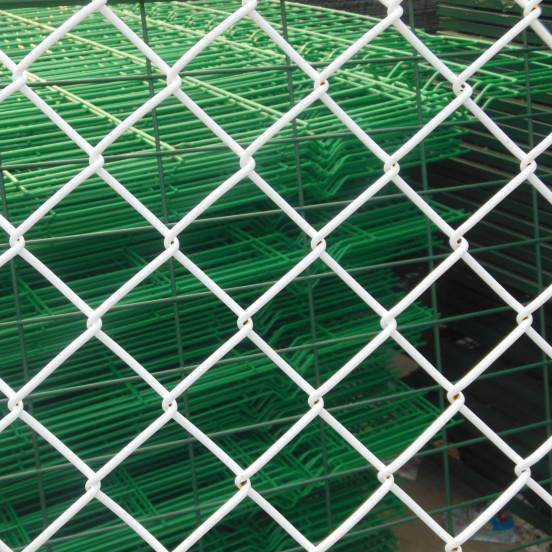
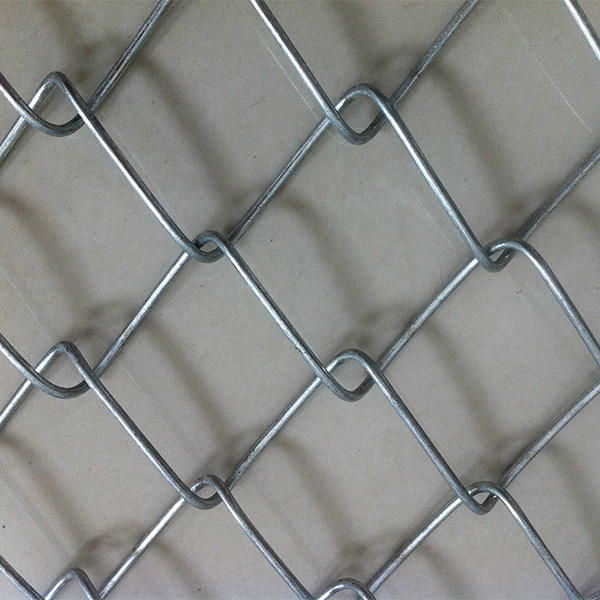
The Anping County Puersen Hardware Wire Mesh Products Co., Ltd. is a leading manufacturer of galvanized steel fences and related products. With a focus on quality and innovation, the company has established itself as a reliable supplier in the global market. Their expertise in producing PVC chain link fences and galvanized chain link fences ensures that customers receive durable and aesthetically pleasing solutions.
For more information about the company, visit their official website.
Conclusion
Chain link fences are a reliable and versatile solution for a wide range of fencing needs. Their durable construction, cost-effectiveness, and adaptability make them a preferred choice for schools, residential areas, and industrial zones. With the support of companies like Anping County Puersen Hardware Wire Mesh Products Co., Ltd., these fences continue to meet the evolving demands of modern infrastructure.
For further details, visit the product page or contact the company directly.
References
National Institute of Standards and Technology (NIST). (n.d.). Materials Testing and Standards. Retrieved from https://www.nist.gov.
-
Wholesale 358 Security Fence Prison Mesh – Durable Perimeter Security Solutions | Building Wire Mesh
NewsDec.09,2025
-
Wholesale Black Annealed Wire Specification & Vendor Comparison
NewsDec.09,2025
-
Wholesale Soft Electro Galvanized Iron Wire | Trusted Industrial Supply
NewsDec.09,2025
-
Wholesale Reinforcing Mesh For Concrete Building – Durable, Cost-Effective Solutions
NewsDec.09,2025
-
Durable Wholesale PVC Coated 2x1x1 Gabion Boxes for Industrial Use
NewsDec.08,2025
-
Wholesale Galvanised Heavy-Gauge Welded Wire Mesh – Durable Industrial Mesh
NewsDec.08,2025
 Afrikaans
 Albanian
 Amharic
 Arabic
 Armenian
 Azerbaijani
 Basque
 Belarusian
 Bengali
 Bosnian
 Bulgarian
 Catalan
 Cebuano
 Corsican
 Croatian
 Czech
Czech
 Danish
 Dutch
Dutch
 Esperanto
 Estonian
 Finnish
 French
 Frisian
 Galician
 Georgian
 German
 Greek
Greek
 Gujarati
 Haitian Creole
 Hausa
Hausa
 Hawaiian
 Hebrew
 Hindi
Hindi
 Miao
Miao
 Hungarian
 Icelandic
 Igbo
Igbo
 Indonesian
 Irish
Irish
 Italian
 Japanese
 Javanese
 Kannada
 Kazakh
 Khmer
Khmer
 Rwandese
 Korean
 Kurdish
 Kyrgyz
 Lao
Lao
 Latin
Latin
 Latvian
 Lithuanian
 Luxembourgish
 Macedonian
 Malgashi
 Malay
Malay
 Malayalam
 Maltese
 Maori
Maori
 Marathi
 Mongolian
 Myanmar
 Nepali
 Norwegian
 Norwegian
 Occitan
 Pashto
 Persian
 Polish
 Portuguese
 Punjabi
 Romanian
 Russian
 Samoan
 Scottish Gaelic
 Serbian
 Sesotho
 Shona
Shona
 Sindhi
 Sinhala
 Slovak
 Slovenian
 Somali
 Spanish
 Sundanese
 Swahili
 Swedish
 Tagalog
 Tajik
Tajik
 Tamil
Tamil
 Tatar
Tatar
 Telugu
 Thai
Thai
 Turkish
 Turkmen
 Ukrainian
 Urdu
Urdu
 Uighur
 Uzbek
Uzbek
 Vietnamese
 Welsh
Welsh
 Bantu
Bantu
 Yiddish
 Yoruba
 Zulu
Zulu
 English