

Oct . 11, 2025 09:10 Back to list
Welded Wire Mesh for Industry Factory—Durable, Custom, Fast
Welded Wire Panel: a field report from the factory floor
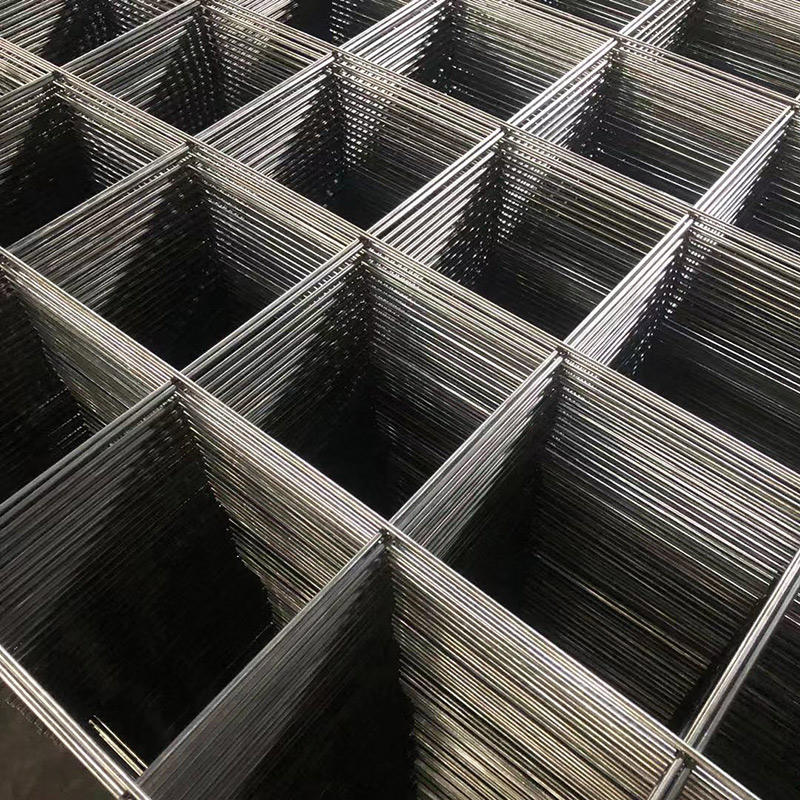
If you spend enough time in fabrication shops and food plants, you’ll notice one unsung hero doing a lot of quiet work: welded wire mesh for industry factory. It shows up in slab reinforcement, guard partitions, machine enclosures, even poultry cages. I’ve walked the lines at Anping, Hebei—still the world’s wire-mesh capital—and this product keeps getting smarter, stronger, and more customizable.
What’s trending on the shop floor
Three shifts doing resistance welding isn’t new. But the uptick in hot-dip galvanizing (for coastal projects), tighter aperture tolerances for robotics cells, and stainless 316L for food-contact zones—that’s the 2025 story. Many customers say the payback is in fewer repairs and faster installs. Honestly, I was skeptical until I saw the maintenance logs.
Core specifications (real-world values)
| Material | Low-carbon steel Q195/Q235; Stainless 304/316L |
| Wire diameter | 2.5–6.0 mm (custom up to 8.0 mm) |
| Mesh aperture | 25×25, 50×50, 75×75, 100×100 mm (others on request) |
| Panel size | 1.0×2.0 m to 2.4×6.0 m (≈ tolerance ±3 mm) |
| Coatings | Electro-galv., Hot-dip galv. (ISO 1461), PVC-coated; bare stainless |
| Tensile strength | ≈ 450–600 MPa (carbon); 550–700 MPa (stainless) — real-world may vary |
| Weld standard | ASTM A1064/A1064M; ISO 15630-4 weld shear tests |
From wire rod to panel: a quick process walkthrough
Materials arrive as Q195/Q235 or AISI 304/316L wire rod. Then: drawing and straightening → resistance welding on CNC lines → trimming/deburring → galvanizing (electro or hot-dip) or PVC coating → flattening → inspection. Testing includes weld shear (per ISO 15630-4), tensile and bend tests, zinc thickness checks (ISO 1461), aperture and diagonal tolerances. Typical service life: electro-galv. 5–10 years; hot-dip 15–30; stainless 30–50+ (environment matters, obviously).
Where it’s used (and why)
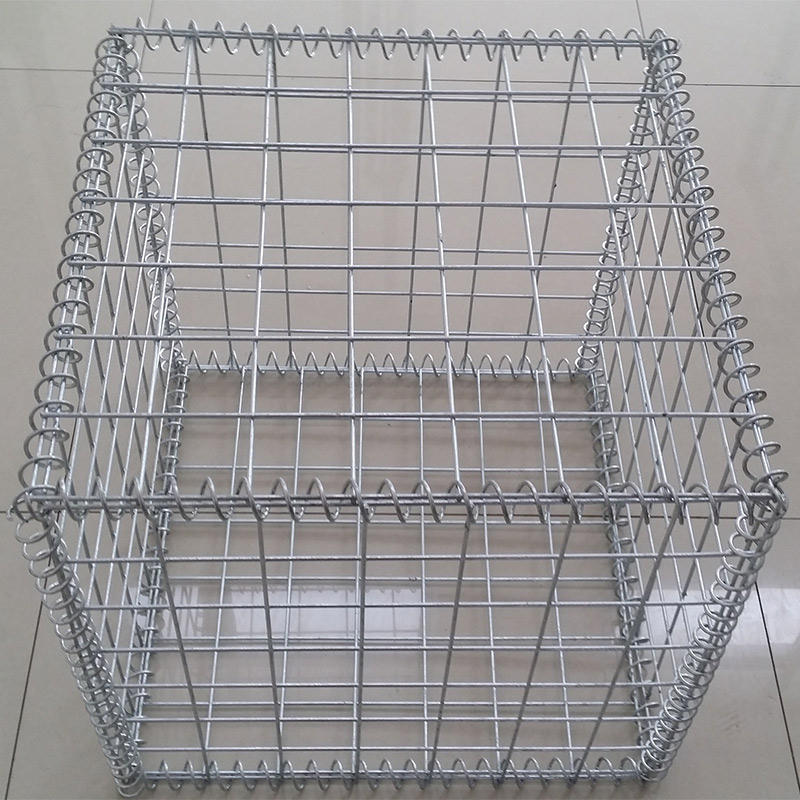
Construction: slab and wall reinforcement, precast, brick wall ties. Food and pharma: hygienic partitions and racks (316L, pickled/passivated). Agriculture and animal guard: enclosures, cages, crowd control. Manufacturing: machine guards, robot cells, storage cages. Mining/utilities: screens and safety barriers. The common thread is predictable strength and fast installation—contractors love panels they can cut cleanly without breaking welds.
Field notes and case snippets
A coastal warehouse retrofitted hot-dip galvanized panels; corrosion checks at 18 months showed zinc loss under 10 μm—better than expected. A poultry integrator switched to PVC-coated panels; washdowns got quicker, and birds stopped snagging on burrs (simple thing, big impact). As one maintenance lead told me, “It just… works.”
Choosing a vendor (my practical take)
| Vendor | Region | Certs | MOQ | Lead time | Notes |
|---|---|---|---|---|---|
| Anping Manufacturer (Cuianpu Dev. Zone Southwest 800m, Hebei, China) | China | ISO 9001, SGS | ≈ 200 panels | 10–20 days | Strong on custom apertures and hot-dip |
| SEA Fabricator | Vietnam | ISO 9001 | ≈ 300 panels | 20–30 days | Cost-friendly, lighter gauges |
| EU Mesh Works | EU | CE, ISO 9001 | ≈ 100 panels | 2–4 weeks | Tight tolerances; higher price |
Customization checklist
- Aperture and wire gauge to match load calc (ASTM A1064 tables help).
- Coating system by environment: electro-galv. indoors; hot-dip near salt; 316L for CIP washdowns.
- Edge trims, U-channels, or framed panels for safety guards.
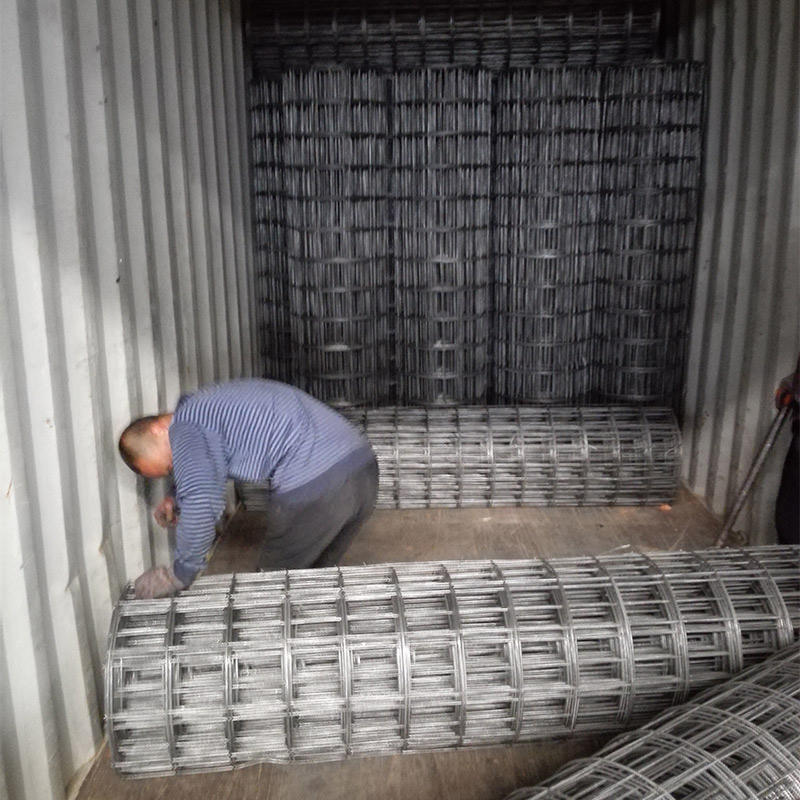
- Flatness spec and palletization (export crates, corner protectors).
Bottom line? welded wire mesh for industry factory projects reward careful material and coating choices. When the spec is tight and testing is documented, welded wire mesh for industry factory becomes a low-drama, high-ROI line item rather than a maintenance headache.
Company note
Origin: Cuianpu Development Zone Southwest 800 meters, Anping County, Hebei 053600, China. The “Welded Wire Panel” line covers building, food, agriculture, animal guard, cages, and crowd barriers—with quick-turn custom runs, which, to be honest, is what most buyers want.
-
Wholesale 358 Security Fence Prison Mesh – Durable Perimeter Security Solutions | Building Wire Mesh
NewsDec.09,2025
-
Wholesale Black Annealed Wire Specification & Vendor Comparison
NewsDec.09,2025
-
Wholesale Soft Electro Galvanized Iron Wire | Trusted Industrial Supply
NewsDec.09,2025
-
Wholesale Reinforcing Mesh For Concrete Building – Durable, Cost-Effective Solutions
NewsDec.09,2025
-
Durable Wholesale PVC Coated 2x1x1 Gabion Boxes for Industrial Use
NewsDec.08,2025
-
Wholesale Galvanised Heavy-Gauge Welded Wire Mesh – Durable Industrial Mesh
NewsDec.08,2025
 Afrikaans
 Albanian
 Amharic
 Arabic
 Armenian
 Azerbaijani
 Basque
 Belarusian
 Bengali
 Bosnian
 Bulgarian
 Catalan
 Cebuano
 Corsican
 Croatian
 Czech
Czech
 Danish
 Dutch
Dutch
 Esperanto
 Estonian
 Finnish
 French
 Frisian
 Galician
 Georgian
 German
 Greek
Greek
 Gujarati
 Haitian Creole
 Hausa
Hausa
 Hawaiian
 Hebrew
 Hindi
Hindi
 Miao
Miao
 Hungarian
 Icelandic
 Igbo
Igbo
 Indonesian
 Irish
Irish
 Italian
 Japanese
 Javanese
 Kannada
 Kazakh
 Khmer
Khmer
 Rwandese
 Korean
 Kurdish
 Kyrgyz
 Lao
Lao
 Latin
Latin
 Latvian
 Lithuanian
 Luxembourgish
 Macedonian
 Malgashi
 Malay
Malay
 Malayalam
 Maltese
 Maori
Maori
 Marathi
 Mongolian
 Myanmar
 Nepali
 Norwegian
 Norwegian
 Occitan
 Pashto
 Persian
 Polish
 Portuguese
 Punjabi
 Romanian
 Russian
 Samoan
 Scottish Gaelic
 Serbian
 Sesotho
 Shona
Shona
 Sindhi
 Sinhala
 Slovak
 Slovenian
 Somali
 Spanish
 Sundanese
 Swahili
 Swedish
 Tagalog
 Tajik
Tajik
 Tamil
Tamil
 Tatar
Tatar
 Telugu
 Thai
Thai
 Turkish
 Turkmen
 Ukrainian
 Urdu
Urdu
 Uighur
 Uzbek
Uzbek
 Vietnamese
 Welsh
Welsh
 Bantu
Bantu
 Yiddish
 Yoruba
 Zulu
Zulu
 English