

Oct . 22, 2025 13:30 Back to list
Welded wire mesh for industry factory – Durable, galvanized
Inside the factory: why welded mesh quietly runs the show
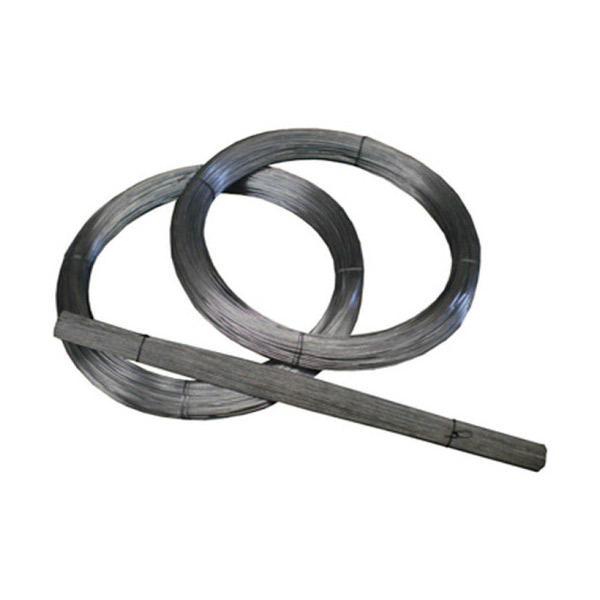
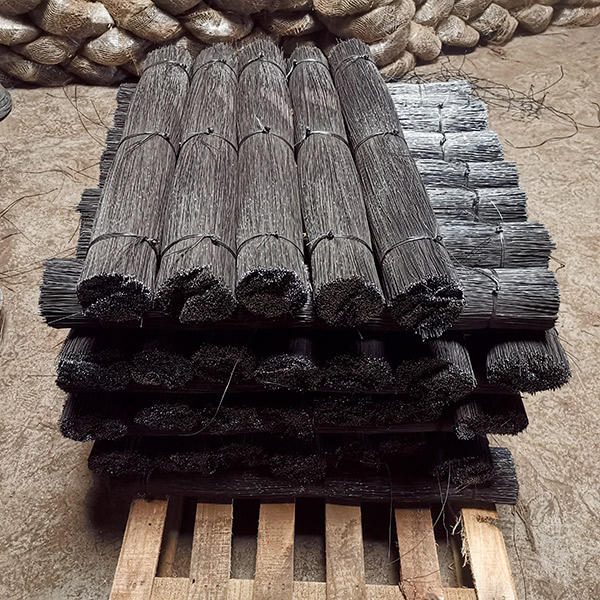
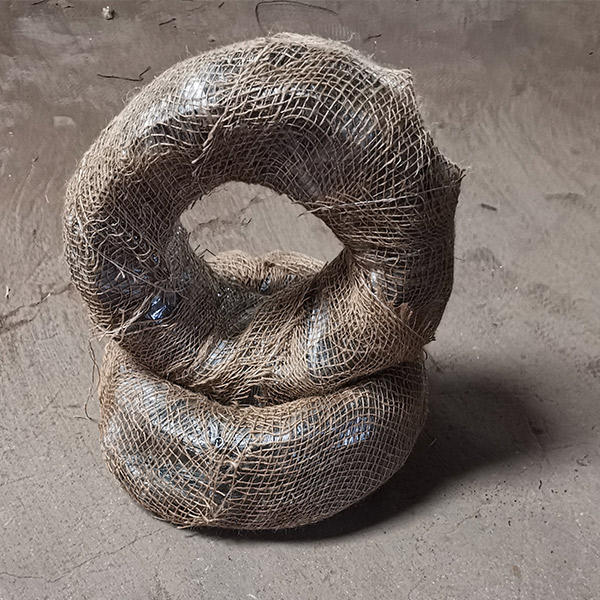
When you spec Welded Wire Mesh For Industry Factory, you’re really making a foundational choice about the wire behind it—quite often black annealed low‑carbon steel wire. In fact, most of the reliable mesh I see on shop floors begins life as wire rod drawn, softened, and stabilized in places like Cuianpu Development Zone Southwest 800 meters, Anping County, Hebei 053600, China—where black annealed wire is a daily craft, not a commodity.
Trends we’re watching
Demand for automated guarding and quick-install partitions is up, especially in e‑commerce and food processing. Customers ask for tighter flatness tolerances and cleaner welds—less grinding on site. Also, surprisingly, plain black mesh is still popular indoors because it welds consistently and keeps costs stable; coatings are added only where needed. To be honest, the market is pragmatic right now.
From wire rod to welded panels: the process
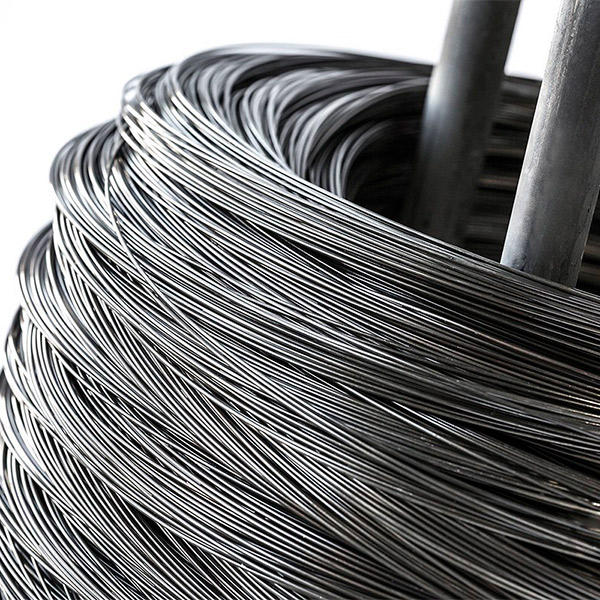
Materials: low‑carbon Q195/Q235 wire rod. Methods: multi-pass drawing → controlled atmosphere annealing (black finish) → light oiling → straightening → resistance welding into sheets or rolls → optional galvanizing or powder coat. Testing standards typically reference ASTM A853 for annealed wire and ASTM A1064 for welded mesh; EN 10218 / ISO 16120 cover dimensional and chemical checks. Service life? Indoors ≈ 10–15 years for oiled black mesh; outdoors ≈ 2–8 years unless you galvanize or coat.
Product specs (core wire for factory mesh)
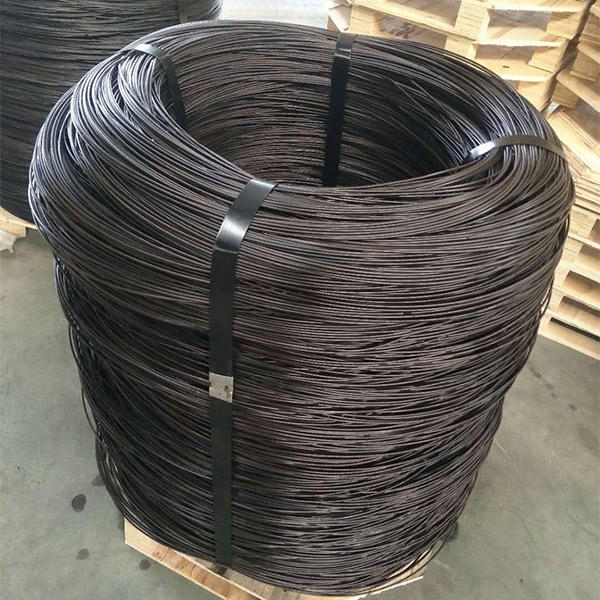
| Base material | Low‑carbon steel (Q195/Q235), ISO 16120‑2 |
| Wire diameter range | ≈ 0.8–6.0 mm (real-world use may vary) |
| Tensile strength (annealed) | ≈ 350–550 MPa; elongation ≈ 18–25% |
| Finish | Black annealed (light oil), bright annealed optional |
| Tolerance | Diameter ±0.02–0.05 mm; panel flatness ≤ 3 mm/m |
| Mesh options | 12.7×12.7 to 100×100 mm; custom pitch available |
Applications and benefits
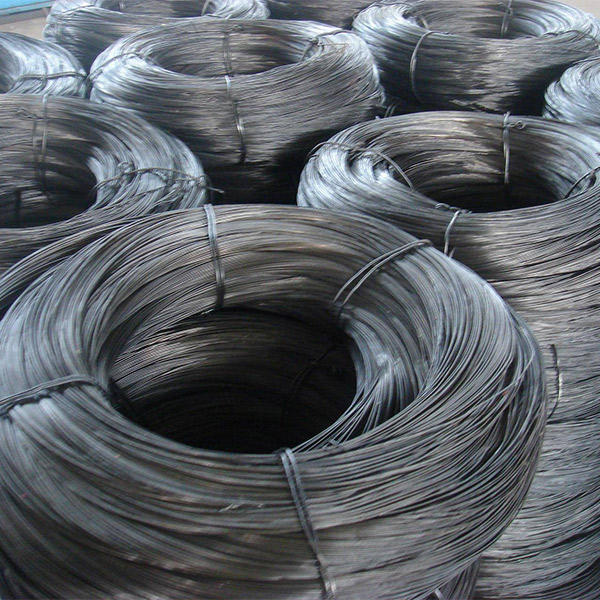
- Machine guarding, conveyor enclosures, pallet rack infill, mezzanine rails.
- Concrete reinforcement in plant slabs; curing racks in brick/tile works.
- Food and pharma partitions (usually galvanized or powder-coated).
Advantages: steady weldability, predictable ductility (no surprise brittleness), and decent total cost of ownership. Many customers say the panels stay flatter after cutting—credit the anneal curve being dialed in.
Vendor snapshot (what I compare on shortlists)
| Criteria | Vendor A (Anping origin) | Vendor B | Vendor C |
|---|---|---|---|
| Wire traceability | Heat+coil trace, mill certs | Coil only | Partial |
| Standards alignment | ASTM A853/A1064, EN 10218 | ASTM A853 only | Basic factory spec |
| Lead time | 7–15 days | 14–25 days | 10–20 days |
| Certifications | ISO 9001; factory weld tests shared | ISO 9001 (no weld data) | None stated |
Real-world notes, tests, and customization
In our checks, five coils of black annealed wire (2.8 mm) averaged ≈ 430 MPa tensile, 22% elongation; weld shear on 50×50×3.0 mm panels hit ≈ 320 N/mm per A1064 shear method—respectable for indoor guards. Customization is straightforward: diameter, pitch, panel size, and finish (hot-dip galv, electro‑galv, epoxy powder). For hygiene zones, I guess you’ll prefer galvanizing plus powder for cleanability.
Case studies? An automotive plant swapped expanded metal for Welded Wire Mesh For Industry Factory guards and cut install time by ~18%. A poultry equipment maker moved to black annealed core wire with post‑galv; customer complaints about brittle spot welds dropped sharply—many customers say handling is “less fussy.”
Bottom line: start with consistent black annealed wire and the rest of your Welded Wire Mesh For Industry Factory spec tends to fall into place—clean welds, predictable bends, and fewer surprises on the line. Origin matters; Anping’s ecosystem, to be honest, still sets the tempo.
Product reference: Black Annealed Wire — “Black annealing wire and all other wire mesh are manufactured by wire rod.” Origin: Cuianpu Development Zone Southwest 800 meters, Anping County, Hebei 053600, China.
Authoritative references
- [1] ASTM A1064/A1064M – Standard Specification for Steel Wire and Welded Wire Reinforcement, Plain and Deformed.
- [2] ASTM A853/A853M – Low‑Carbon Steel Wire.
- [3] ISO 16120 – Non‑alloy steel wire rod for conversion to wire.
- [4] EN 10218 – Steel wire and wire products — General requirements.
- [5] ISO 9001 – Quality management systems — Requirements.
-
Wholesale 358 Security Fence Prison Mesh – Durable Perimeter Security Solutions | Building Wire Mesh
NewsDec.09,2025
-
Wholesale Black Annealed Wire Specification & Vendor Comparison
NewsDec.09,2025
-
Wholesale Soft Electro Galvanized Iron Wire | Trusted Industrial Supply
NewsDec.09,2025
-
Wholesale Reinforcing Mesh For Concrete Building – Durable, Cost-Effective Solutions
NewsDec.09,2025
-
Durable Wholesale PVC Coated 2x1x1 Gabion Boxes for Industrial Use
NewsDec.08,2025
-
Wholesale Galvanised Heavy-Gauge Welded Wire Mesh – Durable Industrial Mesh
NewsDec.08,2025
 Afrikaans
 Albanian
 Amharic
 Arabic
 Armenian
 Azerbaijani
 Basque
 Belarusian
 Bengali
 Bosnian
 Bulgarian
 Catalan
 Cebuano
 Corsican
 Croatian
 Czech
Czech
 Danish
 Dutch
Dutch
 Esperanto
 Estonian
 Finnish
 French
 Frisian
 Galician
 Georgian
 German
 Greek
Greek
 Gujarati
 Haitian Creole
 Hausa
Hausa
 Hawaiian
 Hebrew
 Hindi
Hindi
 Miao
Miao
 Hungarian
 Icelandic
 Igbo
Igbo
 Indonesian
 Irish
Irish
 Italian
 Japanese
 Javanese
 Kannada
 Kazakh
 Khmer
Khmer
 Rwandese
 Korean
 Kurdish
 Kyrgyz
 Lao
Lao
 Latin
Latin
 Latvian
 Lithuanian
 Luxembourgish
 Macedonian
 Malgashi
 Malay
Malay
 Malayalam
 Maltese
 Maori
Maori
 Marathi
 Mongolian
 Myanmar
 Nepali
 Norwegian
 Norwegian
 Occitan
 Pashto
 Persian
 Polish
 Portuguese
 Punjabi
 Romanian
 Russian
 Samoan
 Scottish Gaelic
 Serbian
 Sesotho
 Shona
Shona
 Sindhi
 Sinhala
 Slovak
 Slovenian
 Somali
 Spanish
 Sundanese
 Swahili
 Swedish
 Tagalog
 Tajik
Tajik
 Tamil
Tamil
 Tatar
Tatar
 Telugu
 Thai
Thai
 Turkish
 Turkmen
 Ukrainian
 Urdu
Urdu
 Uighur
 Uzbek
Uzbek
 Vietnamese
 Welsh
Welsh
 Bantu
Bantu
 Yiddish
 Yoruba
 Zulu
Zulu
 English