

Oct . 07, 2025 08:45 Back to list
Welded Wire Mesh for Industry Factory - Durable & Custom?
Industrial Wire Mesh That Works As Hard As You Do
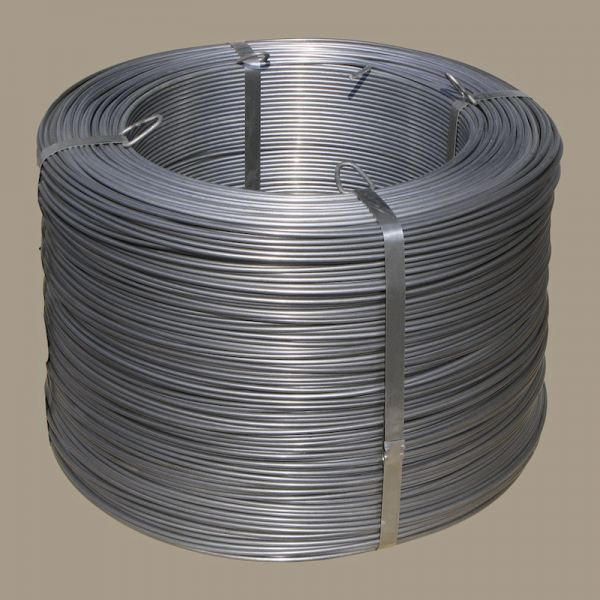
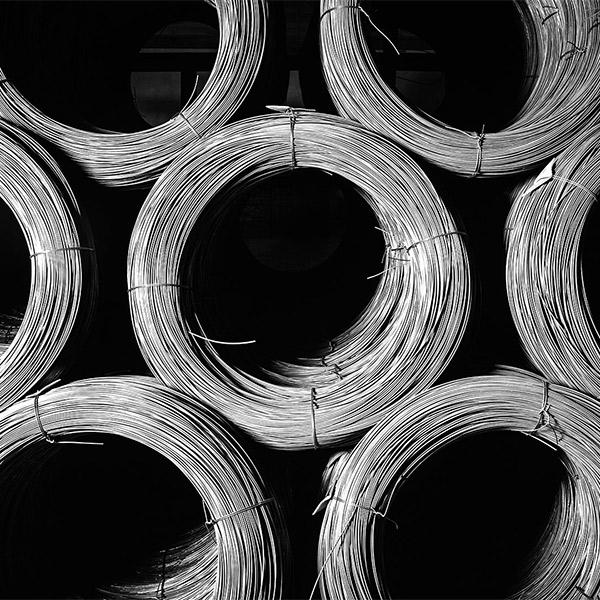
If you’re speccing welded wire mesh for industry factory builds or retrofits, the quiet hero is the base wire. In our case, that’s Cold Drawn Wire produced in Cuianpu Development Zone Southwest 800 meters, Anping County, Hebei 053600, China. It’s the backbone for machine guarding, conveyor partitions, HVAC cages—pretty much any panel that needs to be flat, strong, and consistent. And yes, I’ve seen plenty of shops cut downtime just by standardizing the mesh grade.
What’s trending in factories right now
Three things: higher automation (more robot cells to fence), stricter safety audits, and corrosion control that actually holds up. So demand has shifted toward low-relaxation cold drawn wire with tighter diameter tolerances, zinc or alloy coatings per ASTM/EN, and documented weld shear strength. Not glamorous—but it keeps auditors happy and operators safer.
Cold Drawn Wire: core specs that matter
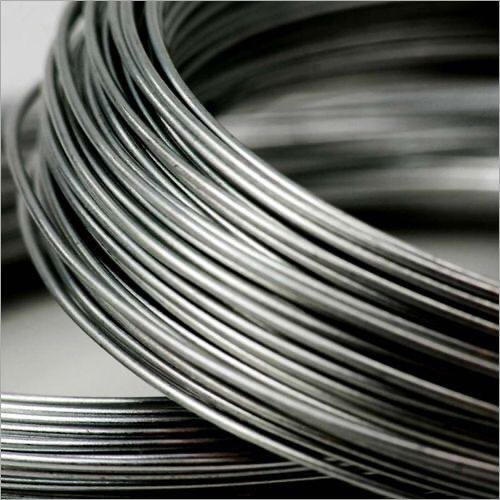
Steel grades are typically low-carbon (e.g., SAE 1006/1008). Real-world use may vary a bit, but here’s the spec snapshot most maintenance teams ask me for.
| Parameter | Typical Range | Notes |
|---|---|---|
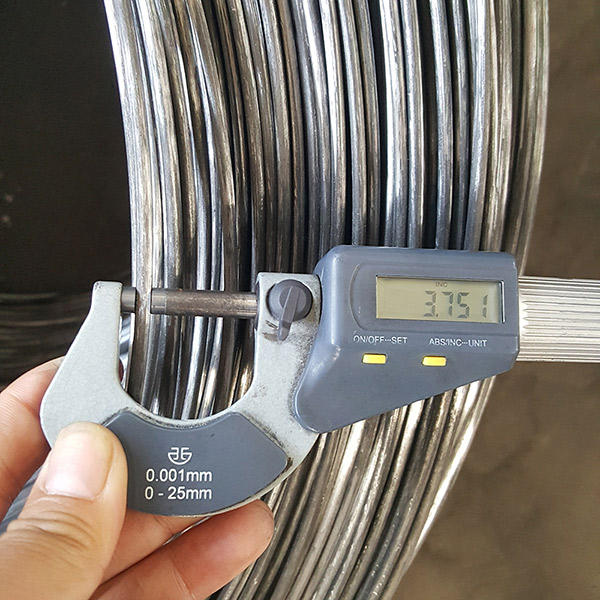
| Wire diameter | 2.0–6.0 mm (custom up to 8.0 mm) | Tolerance ≈ ±0.03–0.05 mm |
| Tensile strength | 550–1,000 MPa | ISO 6892-1 tensile method |
| Coating (optional) | Zn 40–240 g/m² | ASTM A641 / EN 10244-2 |
| Weld shear strength | ≥ 70% of wire UTS | ASTM A1064 guidance |
| Panel flatness | ≤ 5 mm bow per 2 m | Typical production control |
Process flow (condensed): rod selection → pickling → multi-pass drawing → stress relief/anneal (as needed) → surface treatment (bright/galv) → straightening → resistance welding into welded wire mesh for industry factory panels → flattening → dimensional check → mechanical tests → packing. To be honest, it’s the quiet steps—straightening, weld energy control—that separate okay mesh from the stuff that sits perfectly in your frames.
Applications and quick case notes
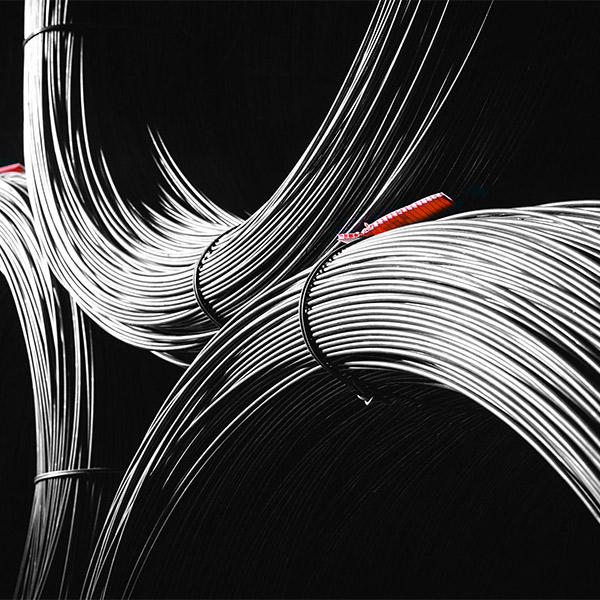
- Robot cell guarding and light curtains backup grids—automotive lines.
- Conveyor sidewalls and mezzanine edge protection—3PL warehouses.
- Fan/air-intake cages—food plants (galv or epoxy-over-galv).
A cement plant in Rajasthan switched to higher-zinc wire; unexpected bonus: maintenance intervals stretched from 9 to ~18 months. Another customer told me, “Panels finally sit flat—install time dropped by a third.” Small wins, big budget impact.
Vendor comparison (real-world buyers ask this)
| Vendor | Certs | MOQ | Lead time | Custom mesh | Test report |
|---|---|---|---|---|---|
| Anping Manufacturer (origin: Hebei 053600) | ISO 9001; coating per ASTM/EN | ≈ 500–1,000 pcs | 10–20 days | Yes: wire Ø, pitch, frame fit | Mill + third-party (SGS) on request |
| Import Brand B | Basic QC doc | Low | Stock-dependent | Limited | In-house only |
| Local Re-roller C | Varies | Flexible | Fast for small runs | Yes, small-batch | Limited traceability |
Standards, testing, and service life
- Dimensional and welding per ASTM A1064 (formerly A185/A497).
- Tensile test per ISO 6892-1; coating mass per ASTM A641 or EN 10244-2.
- Salt-spray (when specified) per ASTM B117; results around 120–480 h for Zn tiers.
- Service life: around 10–20 years indoors; 3–10 years outdoor industrial, depending on coating and pollution load.
Customization: wire Ø, mesh opening (e.g., 25×25, 50×50, 50×100 mm), panel size, frame integration tabs, powder topcoat over galv. Actually, many customers say a small tweak—like moving from 50×50 to 50×100—saves weight without losing rigidity for guarding.
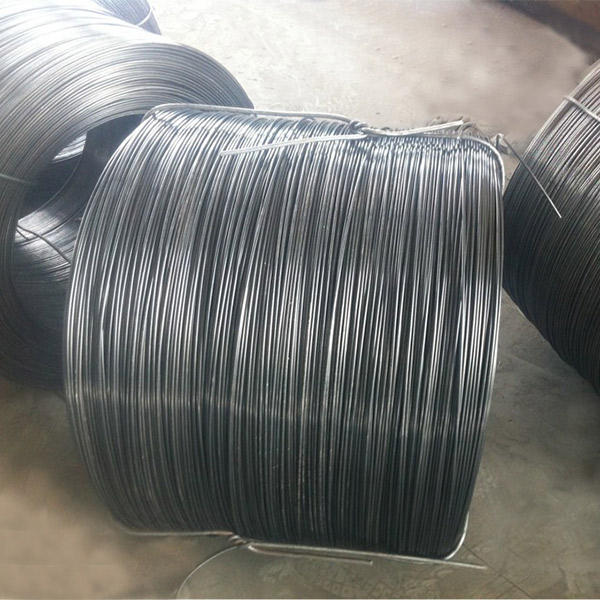
Bottom line: start with consistent Cold Drawn Wire and the rest of the system—welds, flatness, install time—just behaves. If your line needs welded wire mesh for industry factory upgrades, specify the wire and the tests up front. It seems obvious, but surprisingly often it’s not written into the PO.
Authoritative citations
- ASTM A1064/A1064M – Standard Specification for Carbon‑Steel Wire and Welded Wire Reinforcement
- ASTM A641/A641M – Zinc‑Coated (Galvanized) Carbon Steel Wire
- EN 10244-2 – Steel wire and wire products: Non-ferrous metallic coatings on steel wire
- ISO 6892-1 – Metallic materials: Tensile testing, Part 1
- ASTM B117 – Standard Practice for Operating Salt Spray (Fog) Apparatus
-
Wholesale 358 Security Fence Prison Mesh – Durable Perimeter Security Solutions | Building Wire Mesh
NewsDec.09,2025
-
Wholesale Black Annealed Wire Specification & Vendor Comparison
NewsDec.09,2025
-
Wholesale Soft Electro Galvanized Iron Wire | Trusted Industrial Supply
NewsDec.09,2025
-
Wholesale Reinforcing Mesh For Concrete Building – Durable, Cost-Effective Solutions
NewsDec.09,2025
-
Durable Wholesale PVC Coated 2x1x1 Gabion Boxes for Industrial Use
NewsDec.08,2025
-
Wholesale Galvanised Heavy-Gauge Welded Wire Mesh – Durable Industrial Mesh
NewsDec.08,2025
 Afrikaans
 Albanian
 Amharic
 Arabic
 Armenian
 Azerbaijani
 Basque
 Belarusian
 Bengali
 Bosnian
 Bulgarian
 Catalan
 Cebuano
 Corsican
 Croatian
 Czech
Czech
 Danish
 Dutch
Dutch
 Esperanto
 Estonian
 Finnish
 French
 Frisian
 Galician
 Georgian
 German
 Greek
Greek
 Gujarati
 Haitian Creole
 Hausa
Hausa
 Hawaiian
 Hebrew
 Hindi
Hindi
 Miao
Miao
 Hungarian
 Icelandic
 Igbo
Igbo
 Indonesian
 Irish
Irish
 Italian
 Japanese
 Javanese
 Kannada
 Kazakh
 Khmer
Khmer
 Rwandese
 Korean
 Kurdish
 Kyrgyz
 Lao
Lao
 Latin
Latin
 Latvian
 Lithuanian
 Luxembourgish
 Macedonian
 Malgashi
 Malay
Malay
 Malayalam
 Maltese
 Maori
Maori
 Marathi
 Mongolian
 Myanmar
 Nepali
 Norwegian
 Norwegian
 Occitan
 Pashto
 Persian
 Polish
 Portuguese
 Punjabi
 Romanian
 Russian
 Samoan
 Scottish Gaelic
 Serbian
 Sesotho
 Shona
Shona
 Sindhi
 Sinhala
 Slovak
 Slovenian
 Somali
 Spanish
 Sundanese
 Swahili
 Swedish
 Tagalog
 Tajik
Tajik
 Tamil
Tamil
 Tatar
Tatar
 Telugu
 Thai
Thai
 Turkish
 Turkmen
 Ukrainian
 Urdu
Urdu
 Uighur
 Uzbek
Uzbek
 Vietnamese
 Welsh
Welsh
 Bantu
Bantu
 Yiddish
 Yoruba
 Zulu
Zulu
 English