

Sep . 22, 2025 11:50 Back to list
100x100 cm Square Reinforcing Mesh Product Factory - Quality & Durability
Driving Structural Integrity: The Role of Advanced Reinforcing Mesh
In the rapidly evolving landscape of B2B construction and infrastructure development, the demand for robust, reliable, and cost-effective reinforcement solutions is paramount. Among these, the 100x100 cm square reinforcing mesh product factory stands out as a critical component, fundamental to enhancing the structural integrity and longevity of concrete elements. This sector is witnessing significant growth, driven by global urbanization, stringent building codes, and an increasing focus on sustainable construction practices. The market for high-quality reinforcing mesh is expanding, with innovation in material science and manufacturing processes playing a pivotal role.
Industry trends indicate a move towards higher strength-to-weight ratios, improved corrosion resistance, and greater customization capabilities. Engineers and project managers are increasingly specifying mesh products that not only meet but exceed international standards for performance and durability. This includes mesh with enhanced weld integrity, precise dimensional accuracy, and optimal material composition to withstand diverse environmental stressors and dynamic loads. The emphasis is on long-term performance, reducing maintenance costs, and ensuring public safety in various applications, from commercial high-rises to vital public infrastructure projects.
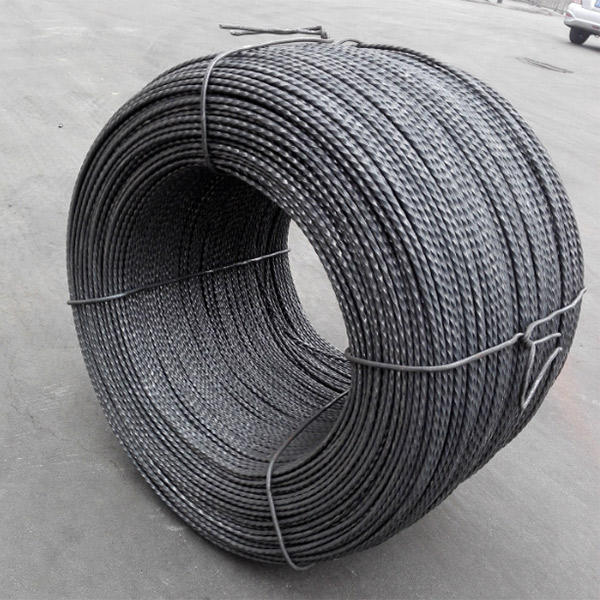
The Precision Manufacturing Process at a 100x100 cm square reinforcing mesh product factory
The production of high-quality reinforcing mesh, specifically the 100x100 cm square variety, is a testament to advanced industrial engineering. The process begins with meticulous raw material selection and proceeds through several critical stages, each governed by stringent quality control protocols to ensure the final product meets exacting specifications.
Detailed Manufacturing Process Flow:
- Raw Material Procurement & Inspection: High-grade carbon steel wire rods (typically SAE 1008, Q195, or Q235, conforming to ASTM A82/A496 or EN 10080 standards) are sourced. Each batch undergoes rigorous inspection for chemical composition (carbon, manganese, silicon, phosphorus, sulfur content), surface defects, and mechanical properties (tensile strength, yield strength, elongation) to ensure compliance with material specifications.
- Wire Drawing: The steel rods are drawn through a series of dies to achieve the desired wire diameter, ranging typically from 4mm to 12mm. This cold working process not only reduces the diameter but also enhances the wire's tensile strength and improves its surface finish, crucial for optimal bond with concrete.
- Straightening and Cutting: The drawn wire is then straightened using advanced machinery to remove any curvature, followed by precise cutting to the specified lengths required for the mesh panels. Accuracy in this step is vital for the uniform dimensions of the final mesh.
- Automated Welding: This is the core of the mesh manufacturing process. High-speed, automated resistance welding machines are employed to accurately join the longitudinal and transverse wires at their intersections, creating a grid pattern. For 100x100 cm square mesh, the welding parameters (current, pressure, duration) are meticulously calibrated to ensure strong, consistent welds at precisely 100mm intervals. This guarantees the structural integrity of the mesh panel and prevents wire slippage within the concrete matrix.
- Quality Control and Testing: Post-welding, each mesh panel undergoes comprehensive quality checks. This includes visual inspection for weld integrity and defects, dimensional verification (mesh opening size, panel dimensions), and destructive testing of weld shear strength according to standards like ISO 15630-2 or ASTM A1064/A1064M. Material traceability is maintained throughout this stage.
- Surface Treatment (Optional): Depending on application requirements, the mesh may undergo surface treatments such as galvanization (hot-dip or electro-galvanization) for enhanced corrosion resistance, particularly in harsh environments like marine or chemical processing facilities.
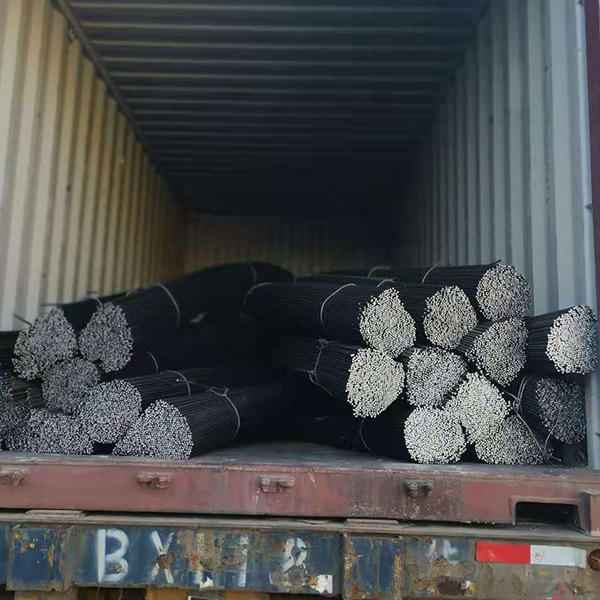
- Bundling and Packaging: Finished mesh panels are stacked, bundled, and securely packaged to prevent damage during transit. Custom packaging solutions are often available to meet specific client logistics requirements.
Typical service life for untreated steel reinforcing mesh embedded in concrete can exceed 50 years, while galvanized or epoxy-coated variants can extend this significantly in aggressive environments. Target industries include petrochemical, metallurgy, water supply & drainage, general civil engineering, and precast concrete manufacturing.

Technical Specifications and Advantages of 100x100 cm Reinforcing Mesh
The precise engineering behind 100x100 cm square reinforcing mesh products offers distinct technical advantages crucial for modern construction. Understanding these parameters is essential for specifying the correct material for structural applications.
Standard Product Specification Table:
| Parameter | Typical Range/Value | Relevant Standard |
|---|---|---|
| Mesh Size (L x W) | 100mm x 100mm (4" x 4") | ASTM A1064/A1064M, EN 10080 |
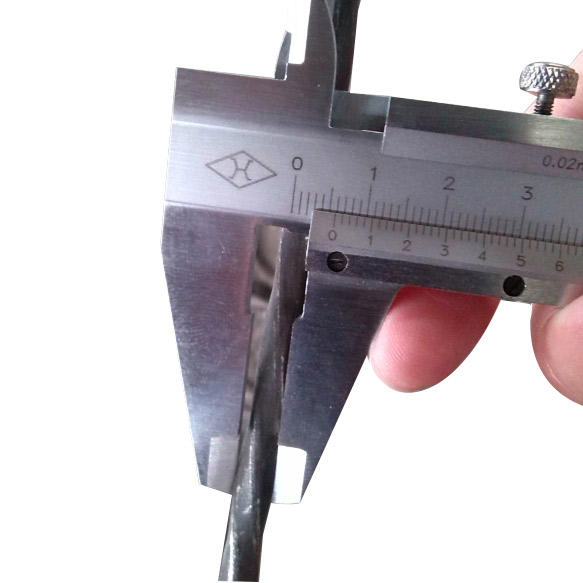
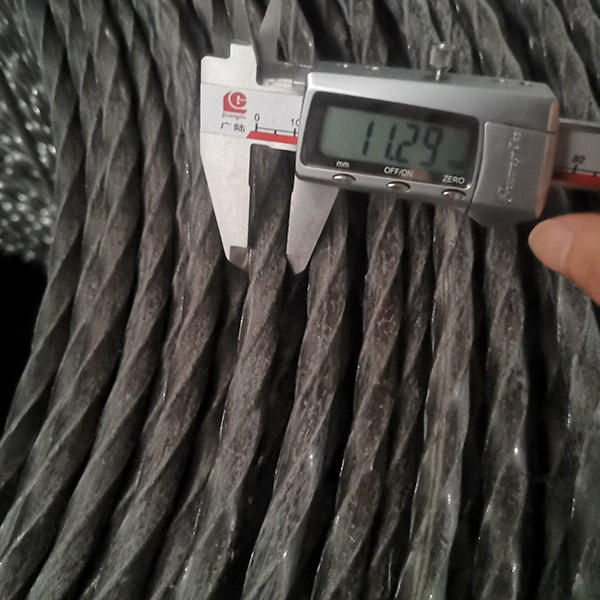
| Wire Diameter | 4mm - 12mm | ASTM A82/A496, BS 4482/4483 |
| Material Grade | Cold-drawn deformed steel wire (e.g., Q195, Q235, SAE 1008) | ASTM A82/A496, EN 10080 |
| Tensile Strength | 550 MPa (min) / 80,000 psi (min) | ASTM A82/A496, EN 10080 |
| Yield Strength | 485 MPa (min) / 70,000 psi (min) | ASTM A82/A496, EN 10080 |
| Weld Shear Strength | 2.5 kN (min) per weld for 8mm wire | ISO 15630-2, ASTM A1064/A1064M |
| Panel Dimensions | Typically 2.4m x 4.8m (8ft x 16ft) or custom | Industry Standard |
Key Technical Advantages:
- Enhanced Structural Performance: The uniformly spaced, welded intersections provide superior bond with concrete compared to traditional rebar tie-ins, effectively distributing stress and significantly reducing concrete cracking due to shrinkage or thermal expansion. This leads to a longer service life for structures.
- Cost-Effectiveness and Energy Saving: Prefabricated mesh panels reduce on-site labor for rebar placement and tying, leading to faster installation times and lower overall project costs. This efficiency translates to indirect energy savings by shortening construction schedules.
- Corrosion Resistance (Optional): For projects in corrosive environments, galvanized or epoxy-coated mesh provides an impenetrable barrier against moisture and chemical agents, extending the lifespan of the concrete structure and minimizing costly repairs. This is particularly vital in infrastructure, wastewater treatment, and coastal construction.
- Superior Crack Control: The small, uniform openings of 100x100 mm mesh ensure a higher distribution of steel within the concrete, leading to finer and more evenly distributed crack patterns, which are less detrimental to structural integrity and aesthetics.
- Dimensional Accuracy: Factory-welded mesh guarantees precise wire spacing, eliminating errors inherent in manual rebar placement and ensuring consistent reinforcement throughout the concrete element. This accuracy is a hallmark of a reputable 100x100 cm square reinforcing mesh product factory.
Diverse Application Scenarios and Target Industries
The versatility and strength of 100x100 cm square reinforcing mesh make it indispensable across a wide array of industries and construction applications. Its specific dimensions are ideal for scenarios requiring moderate to heavy reinforcement and excellent crack control.
Primary Target Industries:
- Civil Engineering & Infrastructure: Essential for road construction, bridge decks, airport runways, tunnel linings, and retaining walls. The mesh provides the necessary tensile strength to resist expansive and compressive forces, ensuring long-term structural integrity in high-stress environments.
- Commercial & Residential Construction: Widely used for concrete slabs-on-grade, foundations, walls, and suspended floor slabs in multi-story buildings. It significantly improves crack resistance in large floor areas and enhances seismic performance.
- Precast Concrete Manufacturing: Integral to the production of precast elements such as culverts, beams, columns, and panels. The precise dimensions and consistent quality of factory-produced mesh simplify assembly and guarantee the integrity of precast units.
- Petrochemical & Industrial Facilities: Used in the construction of industrial flooring, equipment pads, and secondary containment structures where chemical resistance and heavy load-bearing capacity are critical. Corrosion-resistant mesh variants are particularly valued here.
- Water Supply & Drainage Systems: Reinforcement for concrete pipes, channels, reservoirs, and wastewater treatment structures. The mesh prevents cracking and ensures the impermeability and durability of these critical hydraulic components.
- Metallurgy & Mining: Applications in heavy-duty foundations for machinery, access roads, and specialized concrete structures within mining operations, where robust reinforcement is paramount to withstand extreme conditions and heavy loads.
Vendor Comparison: Key Differentiators for 100x100 cm square reinforcing mesh product manufacturers
Selecting the right 100x100 cm square reinforcing mesh product factory is a strategic decision that impacts project timelines, budget, and long-term structural integrity. While numerous suppliers exist, key differentiators distinguish leading manufacturers.
Factors for Vendor Evaluation:
- Quality Certifications and Compliance: Reputable manufacturers adhere to international standards such as ISO 9001 for quality management, and product-specific standards like ASTM A1064/A1064M (USA), BS 4483 (UK), or EN 10080 (Europe). Verifiable certifications provide assurance of consistent product quality and safety.
- Technical Expertise and Customization Capabilities: A leading 100x100 cm square reinforcing mesh product factory should offer not just standard products but also customized solutions in terms of wire diameter, panel size, material grade, and surface treatments. This requires a deep understanding of metallurgy, structural engineering, and manufacturing processes.
- Production Capacity and Lead Times: For large-scale B2B projects, a factory's ability to consistently meet demand and deliver within stipulated lead times is crucial. Advanced manufacturing facilities with optimized logistics ensure timely fulfillment, minimizing project delays.
- Traceability and Documentation: Comprehensive material traceability from raw material to finished product, coupled with detailed test reports and certificates of conformity, demonstrates transparency and adherence to quality protocols.
- After-Sales Support and Technical Assistance: A commitment to customer satisfaction extends beyond delivery. Robust technical support, design assistance, and responsive after-sales service are indicators of a long-term partnership approach.
- Experience and Industry Reputation: Years of service, a portfolio of successful projects, and positive client feedback are strong indicators of a supplier's reliability and expertise in the reinforcing mesh market.
Partnering with an established and certified 100x100 cm square reinforcing mesh product factory ensures access to superior products and a seamless supply chain, critical for successful project execution.

Customized Solutions and Application Case Studies
Recognizing that no two projects are identical, leading 100x100 cm square reinforcing mesh product manufacturers offer extensive customization options. These tailored solutions ensure optimal performance and cost-efficiency for specific project requirements.
Tailored Reinforcement Solutions:
- Varied Wire Diameters: While 100x100 cm mesh spacing is fixed, wire diameters can be adjusted (e.g., 4mm to 12mm) to meet specific load-bearing requirements and engineering designs. This allows for fine-tuning the tensile capacity of the mesh.
- Custom Panel Dimensions: Beyond standard sheets, mesh can be manufactured in specific panel lengths and widths to minimize on-site cutting and waste, optimizing material usage and accelerating installation.
- Special Material Grades: Depending on environmental conditions or structural demands, specialized steel alloys with enhanced corrosion resistance or higher yield strength can be utilized.
- Surface Treatments: Options like hot-dip galvanization, electro-galvanization, or epoxy coating can be applied for superior protection against aggressive chemicals, chlorides, or extreme moisture.
- Deformation Patterns: While the core product is square mesh, the individual wires can be deformed (ribbed or twisted, as in "Twisted Square Bar" products) to enhance mechanical anchorage with the concrete, preventing slip and improving load transfer.
Application Case Studies:
These examples illustrate the practical benefits derived from using high-quality 100x100 cm square reinforcing mesh from reliable 100x100 cm square reinforcing mesh product suppliers:
- Industrial Warehouse Flooring Project: A large industrial warehouse required a durable, crack-resistant concrete floor slab capable of supporting heavy machinery and continuous forklift traffic. By utilizing 100x100 cm mesh with 8mm diameter wires, the project achieved a significantly reduced installation time compared to traditional rebar. Post-construction inspection confirmed minimal surface cracking and excellent load distribution, contributing to a longer service life and reduced maintenance costs.
- Coastal Bridge Deck Reinforcement: For a bridge deck in a saline coastal environment, standard mesh was insufficient due to accelerated corrosion risks. A customized solution involving hot-dip galvanized 100x100 cm mesh with 10mm wires was implemented. This provided superior corrosion protection and the required structural strength, ensuring the bridge's longevity against chloride attack and harsh weather conditions.
- Precast Panel Manufacturing for High-Rise Buildings: A leading precast concrete manufacturer partnered with a specialized 100x100 cm square reinforcing mesh product factory to supply custom-sized mesh panels for modular wall and floor units. The precise dimensions and consistent weld strength of the mesh allowed for highly efficient prefabrication, reducing assembly time on-site and ensuring uniform structural performance across thousands of panels.
Trustworthiness and Support: Your Partner in Reinforcement
Frequently Asked Questions (FAQ):
Q: What makes 100x100 cm mesh ideal for concrete slabs?
A: The relatively tight 100mm x 100mm spacing provides a high concentration of steel, which is excellent for distributing stress and controlling concrete shrinkage cracks, leading to a more durable and aesthetically pleasing surface, especially in areas with moderate to heavy loads.
Q: Can your 100x100 cm mesh be used in corrosive environments?
A: Yes, we offer galvanized or epoxy-coated mesh options that provide superior corrosion resistance, making them suitable for marine applications, chemical plants, wastewater treatment facilities, and other aggressive environments. These treatments significantly extend the product's lifespan.
Q: What are the typical lead times for large orders?
A: Lead times vary based on order volume, customization requirements, and current production schedules. Standard orders typically range from 2-4 weeks. We recommend contacting our sales team directly with your specific project requirements for an accurate lead time estimate.
Lead Time & Fulfillment:
Our state-of-the-art manufacturing facility and optimized logistics network enable us to fulfill orders efficiently. We maintain sufficient stock of raw materials and standard mesh configurations to expedite delivery. For custom orders, our production planning team works closely with clients to establish realistic timelines and ensure on-time delivery. We leverage a robust supply chain to guarantee product availability and efficient transport to your project site.
Warranty Commitments:
All our reinforcing mesh products are manufactured to stringent international standards and come with a comprehensive warranty against manufacturing defects. We stand behind the quality and performance of our products, ensuring they meet or exceed specified mechanical properties and dimensional tolerances. Specific warranty terms are provided with each order, offering peace of mind to our clients.
Customer Support & Technical Assistance:
Our commitment to client success extends to providing exceptional customer support. Our team of technical experts and sales professionals is available to assist with product selection, technical specifications, design considerations, and logistical queries. We offer pre-sales consultation and post-sales support to ensure seamless integration of our products into your projects. For immediate assistance, please refer to our contact details on our website.
Conclusion: Partnering for Structural Excellence
The strategic selection of a 100x100 cm square reinforcing mesh product factory is paramount for projects demanding superior concrete reinforcement. From the meticulous raw material selection and advanced automated welding processes to rigorous quality control and comprehensive customer support, a leading manufacturer provides not just a product, but a complete solution for enhancing structural integrity and project efficiency. With a focus on technical excellence, adherence to international standards, and a commitment to customization, these factories empower construction professionals to build safer, more durable, and cost-effective infrastructure for the future.
Choosing a partner that exemplifies expertise, experience, authoritativeness, and trustworthiness ensures that your projects benefit from the highest quality reinforcing mesh, tailored to meet the unique challenges of modern construction.
References
- ASTM International. (2020). ASTM A1064/A1064M-20, Standard Specification for Steel Wire and Welded Wire Reinforcement, Plain and Deformed, for Concrete. West Conshohocken, PA: ASTM International.
- European Committee for Standardization. (2007). EN 10080:2005, Steel for the reinforcement of concrete – Weldable reinforcing steel – General. Brussels, Belgium: CEN.
- International Organization for Standardization. (2009). ISO 15630-2:2009, Steel for the reinforcement and prestressing of concrete – Test methods – Part 2: Welded fabric. Geneva, Switzerland: ISO.
- Concrete Reinforcing Steel Institute. (2018). Manual of Standard Practice (MSP). Schaumburg, IL: CRSI.
- Aïtcin, P.-C. (2000). High-Performance Concrete. E & FN Spon, an imprint of Taylor & Francis.
-
Wholesale 358 Security Fence Prison Mesh – Durable Perimeter Security Solutions | Building Wire Mesh
NewsDec.09,2025
-
Wholesale Black Annealed Wire Specification & Vendor Comparison
NewsDec.09,2025
-
Wholesale Soft Electro Galvanized Iron Wire | Trusted Industrial Supply
NewsDec.09,2025
-
Wholesale Reinforcing Mesh For Concrete Building – Durable, Cost-Effective Solutions
NewsDec.09,2025
-
Durable Wholesale PVC Coated 2x1x1 Gabion Boxes for Industrial Use
NewsDec.08,2025
-
Wholesale Galvanised Heavy-Gauge Welded Wire Mesh – Durable Industrial Mesh
NewsDec.08,2025
 Afrikaans
 Albanian
 Amharic
 Arabic
 Armenian
 Azerbaijani
 Basque
 Belarusian
 Bengali
 Bosnian
 Bulgarian
 Catalan
 Cebuano
 Corsican
 Croatian
 Czech
Czech
 Danish
 Dutch
Dutch
 Esperanto
 Estonian
 Finnish
 French
 Frisian
 Galician
 Georgian
 German
 Greek
Greek
 Gujarati
 Haitian Creole
 Hausa
Hausa
 Hawaiian
 Hebrew
 Hindi
Hindi
 Miao
Miao
 Hungarian
 Icelandic
 Igbo
Igbo
 Indonesian
 Irish
Irish
 Italian
 Japanese
 Javanese
 Kannada
 Kazakh
 Khmer
Khmer
 Rwandese
 Korean
 Kurdish
 Kyrgyz
 Lao
Lao
 Latin
Latin
 Latvian
 Lithuanian
 Luxembourgish
 Macedonian
 Malgashi
 Malay
Malay
 Malayalam
 Maltese
 Maori
Maori
 Marathi
 Mongolian
 Myanmar
 Nepali
 Norwegian
 Norwegian
 Occitan
 Pashto
 Persian
 Polish
 Portuguese
 Punjabi
 Romanian
 Russian
 Samoan
 Scottish Gaelic
 Serbian
 Sesotho
 Shona
Shona
 Sindhi
 Sinhala
 Slovak
 Slovenian
 Somali
 Spanish
 Sundanese
 Swahili
 Swedish
 Tagalog
 Tajik
Tajik
 Tamil
Tamil
 Tatar
Tatar
 Telugu
 Thai
Thai
 Turkish
 Turkmen
 Ukrainian
 Urdu
Urdu
 Uighur
 Uzbek
Uzbek
 Vietnamese
 Welsh
Welsh
 Bantu
Bantu
 Yiddish
 Yoruba
 Zulu
Zulu
 English