

Oct . 23, 2025 12:45 Back to list
Welded Wire Mesh for Industry Factory | Heavy-Duty & Custom
Welded Wire Mesh For Industry Factory
I still remember stepping into the workshops of Anping County—Cuianpu Development Zone, Southwest 800 meters, Hebei 053600, China—where galvanized wire smells faintly metallic and the welders hum like a choir. If you spend any time around factories, you know why Welded Wire Mesh For Industry Factory matters: reliable guards, straight panels, clean zinc coatings, zero fuss. In fact, many maintenance managers tell me that a good mesh panel is the one nobody notices, because it just works.
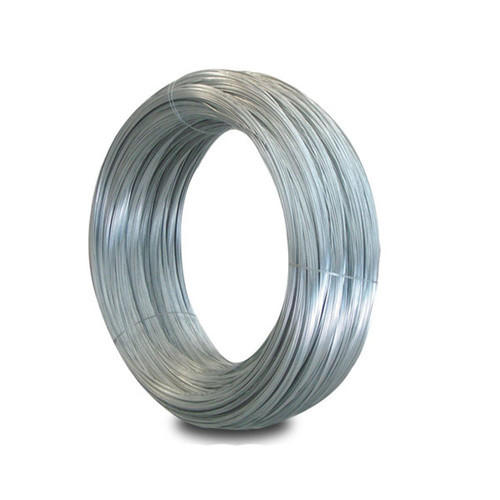
What’s trending in factory mesh
Two steady shifts: thicker zinc for harsher lines, and tighter dimensional control for robot-safe guarding. Hot-dip galvanizing (HDG) and electro-galvanized wire are both in play, but HDG wins when exposure is rough, while electro-galv is slick and uniform for indoor partitions. Standards? Think ASTM A641/A641M for zinc-coated wire, ASTM A185/A497 for welded mesh panels, ISO 1461 for HDG, and EN 10244‑2 for coating classes. To be honest, the buyers who ask for traceable heat numbers and weld shear certificates rarely regret it.
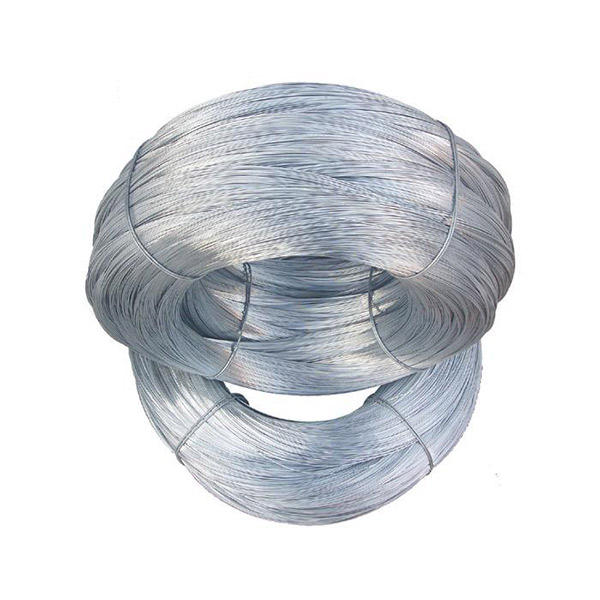
Core specs (typical production ranges)
| Parameter | Typical Range (≈) | Notes |
|---|---|---|
| Wire diameter | 2.0–6.0 mm | Q195/Q235 low-carbon; real-world use may vary |
| Mesh opening | 25×25 to 100×100 mm | Tighter for guards; larger for racks |
| Zinc coating mass | 40–275 g/m² | Per ASTM A641/EN 10244‑2 class |
| Tensile strength | 350–550 MPa | Balanced for weldability |
| Panel size | 1×2 m, 1.2×2.4 m, custom | Flatness ±3 mm/m (≈) |
| Weld shear | ≥500 N (typ.) | Per ASTM A185 test method |
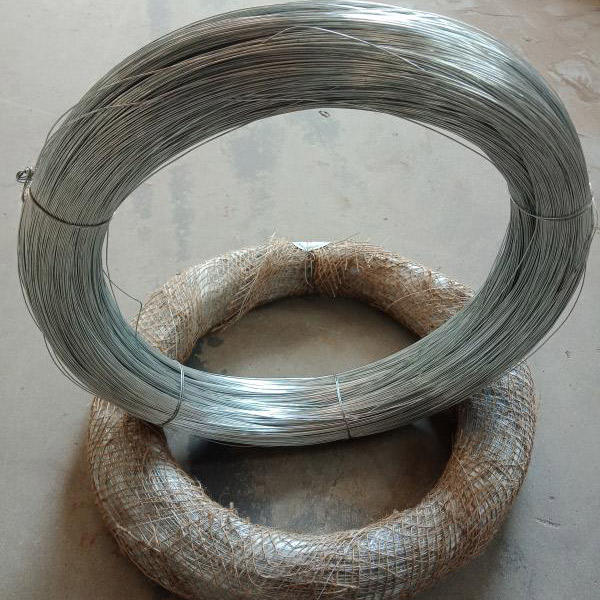
Process flow and testing
Start with low-carbon steel rods → wire drawing → annealing (optional) → zinc coating (electro/HDG) → resistance spot welding → leveling and trimming → optional powder coating. Typical QC includes coating mass check, bend test (180° no flake), weld shear, and salt-spray exposure (ASTM B117; ≈240–480 h depending on coating). Service life? Around 5–10 years indoors, 10–20 outdoors with HDG, assuming no chemical splash—your mileage may vary.
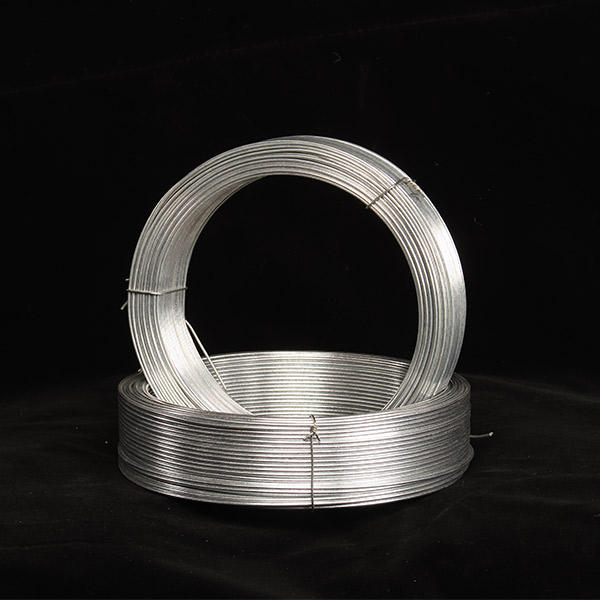
Where it’s used (and why)
Welded Wire Mesh For Industry Factory shows up in machine guards, perimeter partitions, conveyor safety cages, HVAC and compressor enclosures, storage racks, concrete reinforcement, and even animal holding areas near utilities. Advantages: rigid and flat, excellent visibility, predictable loading, and—this matters—easy to cut and frame on-site. Many customers say powder-coated over galvanized gives the cleanest look in public areas.
Vendor snapshot: who does it best?
| Vendor | Coating (≈) | Lead Time | Certifications | Customization |
|---|---|---|---|---|
| A: Anping manufacturer | 40–275 g/m² (electro/HDG) | 7–14 days | ISO 9001, CE (on request) | Cut-to-size, frames, powder coat |
| B: Trading house | ≈80–120 g/m² | 15–30 days | ISO 9001 (varies) | Limited spec options |
| C: Regional fab | Powder over pre-galv | 10–20 days | ISO 45001 (often) | Fast prototyping |
Quick cases: (1) Automotive plant swapped chain-link for Welded Wire Mesh For Industry Factory panels—downtime fell ≈18% because access doors aligned better, and guards stayed flat. (2) A food processor chose HDG plus epoxy topcoat; salt-spray exceeded 720 h before red rust at cut edges—surprisingly robust.
Buying tips and customization
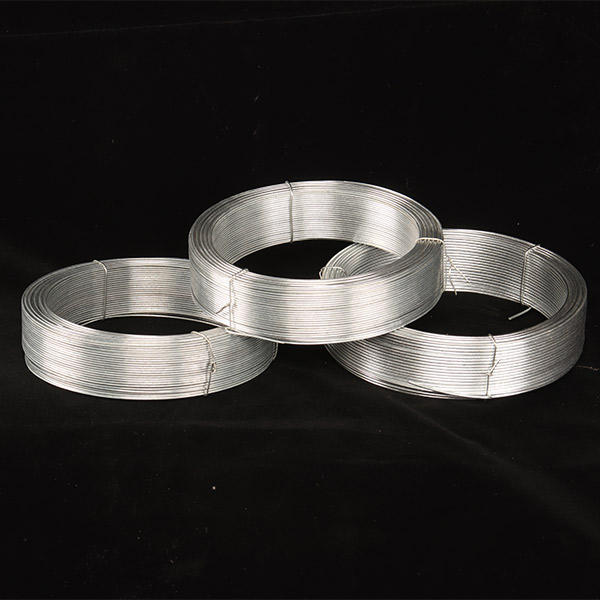
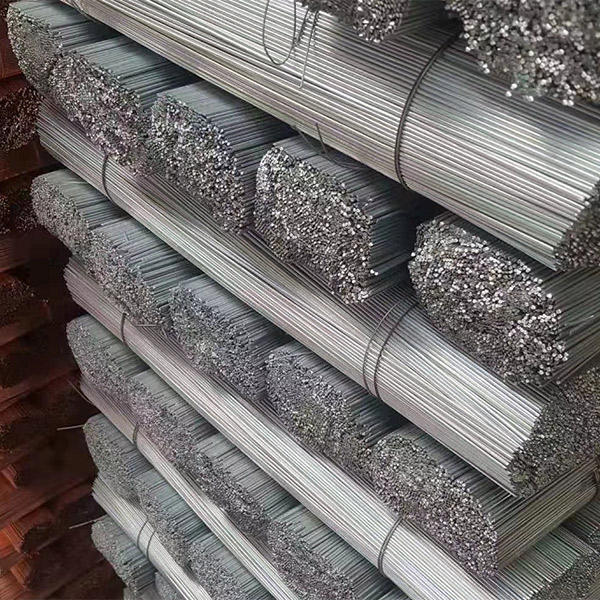
Specify: wire dia, mesh opening, coating class, panel flatness, frame design, and edge treatment (cut flush vs. framed). For compliance-heavy sites, ask for mill certs, weld shear data, and coating mass reports. If you need ultra-clean looks, powder over galvanized is a solid bet. And yes, the “Galvanized Wire” base stock behind these meshes also feeds communication equipment, medical devices, and filtration—versatile is an understatement.
Citations
- ASTM A185/A185M – Standard Specification for Steel Welded Wire, Plain, for Concrete Reinforcement.
- ASTM A641/A641M – Zinc-Coated (Galvanized) Carbon Steel Wire.
- ISO 1461 – Hot dip galvanized coatings on fabricated iron and steel articles.
- EN 10244-2 – Steel wire and wire products, Non-ferrous metallic coatings on steel wire.
- ASTM B117 – Standard Practice for Operating Salt Spray (Fog) Apparatus.
- ISO 9001 – Quality Management Systems Requirements.
-
Wholesale 358 Security Fence Prison Mesh – Durable Perimeter Security Solutions | Building Wire Mesh
NewsDec.09,2025
-
Wholesale Black Annealed Wire Specification & Vendor Comparison
NewsDec.09,2025
-
Wholesale Soft Electro Galvanized Iron Wire | Trusted Industrial Supply
NewsDec.09,2025
-
Wholesale Reinforcing Mesh For Concrete Building – Durable, Cost-Effective Solutions
NewsDec.09,2025
-
Durable Wholesale PVC Coated 2x1x1 Gabion Boxes for Industrial Use
NewsDec.08,2025
-
Wholesale Galvanised Heavy-Gauge Welded Wire Mesh – Durable Industrial Mesh
NewsDec.08,2025
 Afrikaans
 Albanian
 Amharic
 Arabic
 Armenian
 Azerbaijani
 Basque
 Belarusian
 Bengali
 Bosnian
 Bulgarian
 Catalan
 Cebuano
 Corsican
 Croatian
 Czech
Czech
 Danish
 Dutch
Dutch
 Esperanto
 Estonian
 Finnish
 French
 Frisian
 Galician
 Georgian
 German
 Greek
Greek
 Gujarati
 Haitian Creole
 Hausa
Hausa
 Hawaiian
 Hebrew
 Hindi
Hindi
 Miao
Miao
 Hungarian
 Icelandic
 Igbo
Igbo
 Indonesian
 Irish
Irish
 Italian
 Japanese
 Javanese
 Kannada
 Kazakh
 Khmer
Khmer
 Rwandese
 Korean
 Kurdish
 Kyrgyz
 Lao
Lao
 Latin
Latin
 Latvian
 Lithuanian
 Luxembourgish
 Macedonian
 Malgashi
 Malay
Malay
 Malayalam
 Maltese
 Maori
Maori
 Marathi
 Mongolian
 Myanmar
 Nepali
 Norwegian
 Norwegian
 Occitan
 Pashto
 Persian
 Polish
 Portuguese
 Punjabi
 Romanian
 Russian
 Samoan
 Scottish Gaelic
 Serbian
 Sesotho
 Shona
Shona
 Sindhi
 Sinhala
 Slovak
 Slovenian
 Somali
 Spanish
 Sundanese
 Swahili
 Swedish
 Tagalog
 Tajik
Tajik
 Tamil
Tamil
 Tatar
Tatar
 Telugu
 Thai
Thai
 Turkish
 Turkmen
 Ukrainian
 Urdu
Urdu
 Uighur
 Uzbek
Uzbek
 Vietnamese
 Welsh
Welsh
 Bantu
Bantu
 Yiddish
 Yoruba
 Zulu
Zulu
 English