

Oct . 21, 2025 11:25 Back to list
welded wire mesh for industry factory: Durable, Custom Sizes
AS Reinforcing Mesh: field notes from the factory floor
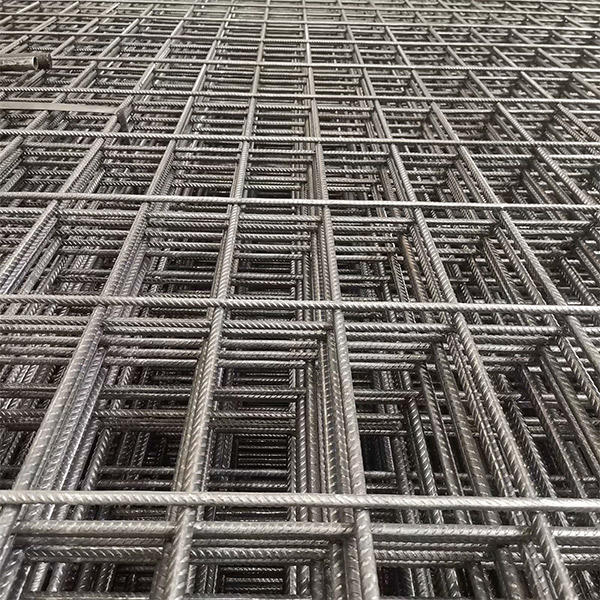
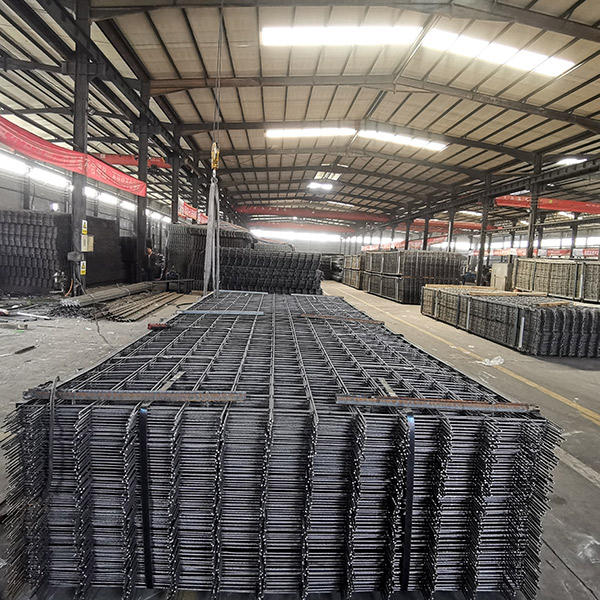
If you’re hunting for Welded Wire Mesh For Industry Factory that behaves the same on a dusty jobsite as it does on a glossy spec sheet, you’re in the right place. AS Reinforcing Mesh—made in Cuianpu Development Zone Southwest 800 meters, Anping County, Hebei 053600, China—has become a quiet workhorse in slabs, precast, and infrastructure. It’s the kind of product contractors reorder without fanfare because it just… works.
What’s trending (and why it matters)
Three things I keep hearing: faster placement, tighter crack control, and traceable steel. Precut sheets and consistent welds reduce tie time. Higher-yield wire and clean fusion points minimize shrinkage cracking. And yes, mill certs and QR-traceability are becoming non-negotiable on public projects. Many customers say the logistics are as important as metallurgy—can you deliver mixed sheet sizes on one truck? Surprisingly, that’s where projects slip.
Process, materials, and testing
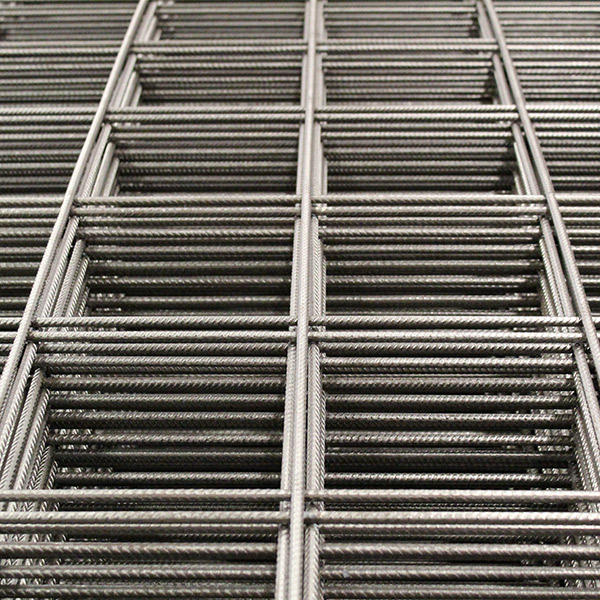
Wire rod (low-carbon steel, typically 0.12–0.25% C) is drawn, straightened, and electrically resistance spot-welded at each intersection. Mesh is flattened, trimmed, then bundled with tags. Coatings vary: black (plain), hot-dip galvanized for coastal or splash zones, and epoxy where chlorides are nasty. Testing follows ASTM A1064/A1064M for welded wire reinforcement (tensile, yield, bend), with weld-shear checks and zinc coating mass where applicable. Real-world service life? In interior concrete, decades; in deicing salt exposure, galvanizing or epoxy earns its keep.
| Spec | Typical Value (≈, real-world use may vary) |
|---|---|
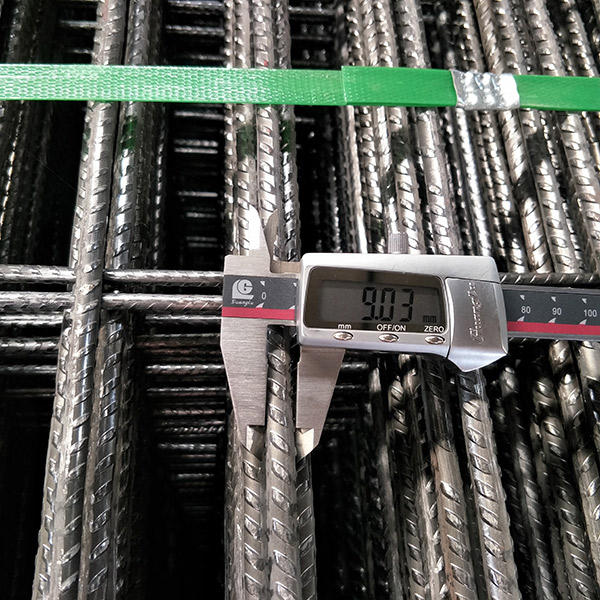
| Wire diameter | 3.0–12.0 mm (D4–D12) |
| Mesh opening | 100×100, 150×150, 200×200 mm; custom rectangles |
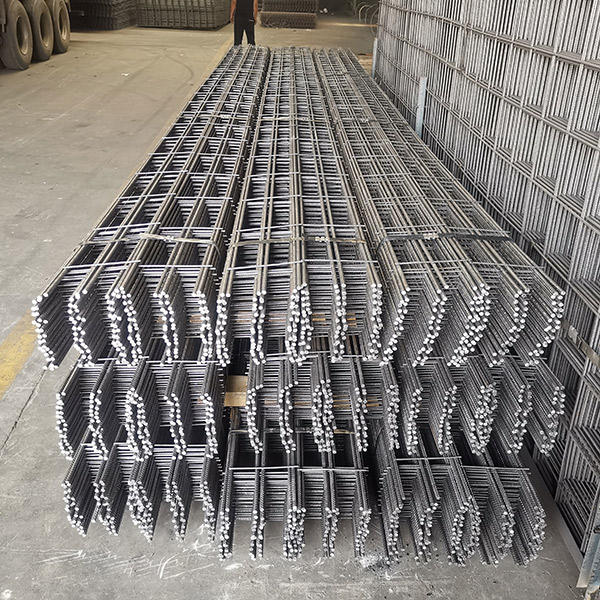
| Sheet size | 2×3 m, 2.4×6 m; cut-to-size available |
| Steel grade | ≈500 MPa yield (AS/NZS 4671 500E or equivalent) |
| Weld shear | ≥0.85×wire tensile (ASTM guidance) |
| Coatings | Plain, HDG (ASTM A641 equiv.), epoxy |
| Standards | ASTM A1064, BS 4483, AS/NZS 4671, ISO 9001 |
Where it’s used
- Slabs-on-grade, industrial floors, and pavements (crack control)
- Precast panels, pipe, and vaults (production speed)
- Walls, toppings, shotcrete, and overlays (uniform reinforcement)
- Water/wastewater, coastal structures—prefer galvanized/epoxy
Feedback from crews: fewer trips with bar chairs, better finish timing, and less curling on large pours. To be honest, detailing still matters—lap lengths, cover, and placement per ACI 318 are not optional.
Vendor snapshot (how buyers compare options)
| Vendor Type | Pros | Watch-outs |
|---|---|---|
| Factory-direct (AS Reinforcing Mesh) | Standards-backed, custom cuts, mill certs, mixed loads | Plan lead time during peak pour seasons |
| Local mill/stockist | Fast pickup, small MOQ | Limited sizes, variable coating options |
| Import broker | Aggressive pricing on bulk | Spec alignment and documentation gaps |
Customization, cases, and service life
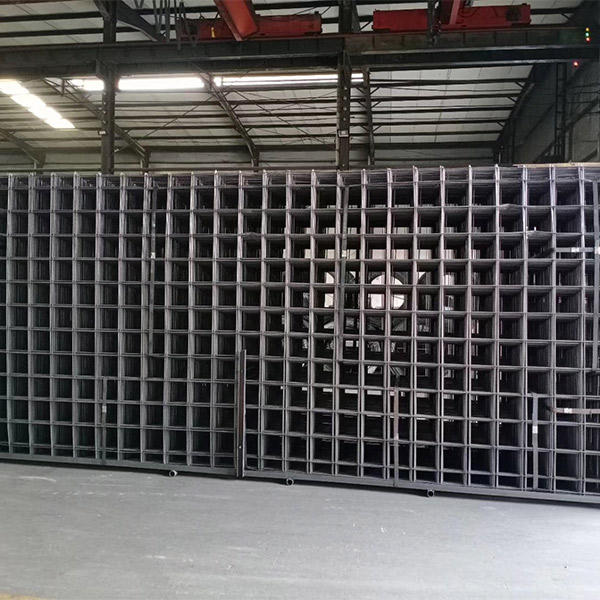
Customization: variable mesh spacings (say 100×200 mm), staggered laps, labeled bundles by pour sequence, and epoxy/HDG hybrids. One logistics center in Southeast Asia cut floor build time by ~12% simply by combining three sheet sizes on each pallet—tiny change, big schedule gain. Another precast yard—short on labor—switched from loose bar to Welded Wire Mesh For Industry Factory and reported fewer alignment errors and cleaner demold edges.
Service life guidance (rule-of-thumb): interior >50 years; exterior non-marine 30–50; marine/splash zones use HDG/epoxy plus proper cover for a comfortable margin.
Certifications and compliance
- Meets ASTM A1064/A1064M welded wire reinforcement requirements
- Conforms to BS 4483 and AS/NZS 4671 grade conventions where specified
- Factory quality system: ISO 9001; coating per ASTM A641 (HDG) or project spec
- Design use with ACI 318 crack control provisions
Net-net: Welded Wire Mesh For Industry Factory like AS Reinforcing Mesh improves consistency, speeds placements, and—when paired with sane detailing—keeps cracks tight. Actually, that’s what owners notice years later.
References
- ASTM A1064/A1064M – Standard Specification for Steel Wire and Welded Wire Reinforcement for Concrete
- BS 4483 – Steel fabric for the reinforcement of concrete
- AS/NZS 4671 – Steel reinforcing materials
- ACI 318 – Building Code Requirements for Structural Concrete
- ISO 9001 – Quality management systems
-
Wholesale 358 Security Fence Prison Mesh – Durable Perimeter Security Solutions | Building Wire Mesh
NewsDec.09,2025
-
Wholesale Black Annealed Wire Specification & Vendor Comparison
NewsDec.09,2025
-
Wholesale Soft Electro Galvanized Iron Wire | Trusted Industrial Supply
NewsDec.09,2025
-
Wholesale Reinforcing Mesh For Concrete Building – Durable, Cost-Effective Solutions
NewsDec.09,2025
-
Durable Wholesale PVC Coated 2x1x1 Gabion Boxes for Industrial Use
NewsDec.08,2025
-
Wholesale Galvanised Heavy-Gauge Welded Wire Mesh – Durable Industrial Mesh
NewsDec.08,2025
 Afrikaans
 Albanian
 Amharic
 Arabic
 Armenian
 Azerbaijani
 Basque
 Belarusian
 Bengali
 Bosnian
 Bulgarian
 Catalan
 Cebuano
 Corsican
 Croatian
 Czech
Czech
 Danish
 Dutch
Dutch
 Esperanto
 Estonian
 Finnish
 French
 Frisian
 Galician
 Georgian
 German
 Greek
Greek
 Gujarati
 Haitian Creole
 Hausa
Hausa
 Hawaiian
 Hebrew
 Hindi
Hindi
 Miao
Miao
 Hungarian
 Icelandic
 Igbo
Igbo
 Indonesian
 Irish
Irish
 Italian
 Japanese
 Javanese
 Kannada
 Kazakh
 Khmer
Khmer
 Rwandese
 Korean
 Kurdish
 Kyrgyz
 Lao
Lao
 Latin
Latin
 Latvian
 Lithuanian
 Luxembourgish
 Macedonian
 Malgashi
 Malay
Malay
 Malayalam
 Maltese
 Maori
Maori
 Marathi
 Mongolian
 Myanmar
 Nepali
 Norwegian
 Norwegian
 Occitan
 Pashto
 Persian
 Polish
 Portuguese
 Punjabi
 Romanian
 Russian
 Samoan
 Scottish Gaelic
 Serbian
 Sesotho
 Shona
Shona
 Sindhi
 Sinhala
 Slovak
 Slovenian
 Somali
 Spanish
 Sundanese
 Swahili
 Swedish
 Tagalog
 Tajik
Tajik
 Tamil
Tamil
 Tatar
Tatar
 Telugu
 Thai
Thai
 Turkish
 Turkmen
 Ukrainian
 Urdu
Urdu
 Uighur
 Uzbek
Uzbek
 Vietnamese
 Welsh
Welsh
 Bantu
Bantu
 Yiddish
 Yoruba
 Zulu
Zulu
 English