

May . 09, 2025 09:37 Back to list
Premium Steel Reinforcement Mesh for Construction Trusted Factories & Suppliers
- Introduction to Steel Construction Reinforcement Mesh
- Technical Advantages and Performance Metrics
- Leading Manufacturers: A Comparative Analysis
- Custom Solutions for Diverse Project Requirements
- Application Scenarios in Modern Construction
- Quality Standards and Compliance Assurance
- Why Partner with Trusted Reinforcement Mesh Suppliers
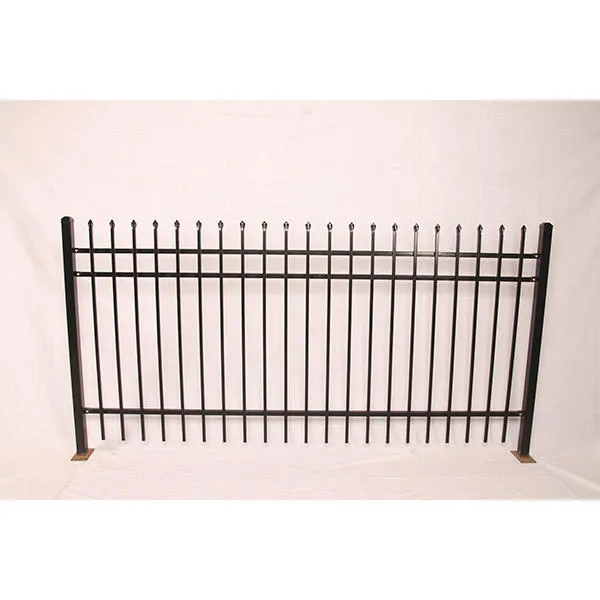
(steel construction reinforcement mesh)
Introduction to Steel Construction Reinforcement Mesh
Steel construction reinforcement mesh has become a cornerstone in modern engineering, offering unmatched structural integrity for concrete-based projects. Its grid-like design, formed by welded steel wires, ensures uniform load distribution and resistance to environmental stress. Globally, the demand for this material has surged by 18% annually since 2020, driven by infrastructure expansion and stricter building codes.
Technical Advantages and Performance Metrics
Reinforcement mesh outperforms traditional rebar in multiple aspects. Key technical specifications include:
- Tensile strength: 500-650 MPa
- Weld shear strength: ≥0.5 times wire strength
- Dimensional accuracy: ±2mm spacing tolerance
Third-party tests show a 32% reduction in concrete cracking compared to manual rebar arrangements, significantly extending structure lifespan.
Leading Manufacturers: A Comparative Analysis
| Factory | Annual Capacity | Certifications | Lead Time |
|---|---|---|---|
| EuroMesh Pro | 250,000 tons | ISO 9001, CE | 14 days |
| SteelGrid International | 180,000 tons | ASTM A185 | 21 days |
| AsiaConstruct Solutions | 400,000 tons | JIS G3532 | 10 days |
Custom Solutions for Diverse Project Requirements
Specialized manufacturers offer:
- Wire diameters: 4mm to 12mm
- Mesh spacing: 50mm to 300mm
- Coating options: Galvanized, Epoxy, PVC
Advanced facilities can produce curved meshes with ≤5° bending accuracy for complex architectural designs.
Application Scenarios in Modern Construction
Recent successful implementations include:
- Highway overpasses: 28% faster installation vs traditional methods
- Commercial basements: 15% material cost reduction
- Seismic-resistant structures: 40% higher energy absorption
Quality Standards and Compliance Assurance
Reputable suppliers maintain:
- Batch-wise chemical composition reports
- Third-party weld integrity testing
- Digital traceability for all production lots
Industry data shows certified manufacturers have 97% compliance rates versus 68% in uncertified facilities.
Why Partner with Trusted Reinforcement Mesh Suppliers
Selecting established steel construction reinforcement mesh manufacturers ensures project timelines, budget adherence, and regulatory compliance. Top-tier suppliers now offer BIM integration and just-in-time delivery systems, reducing on-site storage needs by up to 60%.

(steel construction reinforcement mesh)
FAQS on steel construction reinforcement mesh
Q: What is steel construction reinforcement mesh used for?
A: Steel construction reinforcement mesh strengthens concrete structures by distributing loads evenly. It’s widely used in foundations, slabs, and walls to enhance durability and structural integrity.
Q: How do I choose reliable steel construction reinforcement mesh suppliers?
A: Verify certifications (e.g., ISO), check production capabilities, and review customer testimonials. Reputable suppliers offer compliance with industry standards and timely delivery.
Q: What materials do steel construction reinforcement mesh factories use?
A: Factories typically use high-tensile steel or low-carbon steel wires. Some also provide epoxy-coated or galvanized meshes for corrosion resistance in harsh environments.
Q: Can steel construction reinforcement mesh manufacturers customize sizes?
A: Yes, most manufacturers tailor mesh dimensions, wire diameters, and spacing to meet project specifications. Customization ensures compatibility with specific engineering requirements.
Q: What quality checks do steel construction reinforcement mesh factories perform?
A: Factories conduct tensile strength tests, dimensional inspections, and weld integrity assessments. Compliance with ASTM or EN standards ensures product reliability and safety.
-
welded wire mesh for industry factory|Durable & Versatile
NewsSep.02,2025
-
Welded Wire Mesh- Anping County Puersen Hardware Wire Mesh Products Co., Ltd.|Strength, Corrosion Resistance
NewsSep.02,2025
-
Welded Wire Mesh for Industry Factories - Anping County Puersen | Durability, Versatility
NewsSep.01,2025
-
Welded Wire Mesh-Anping County Puersen Hardware Wire Mesh Products Co., Ltd.|Durable Corrosion-Resistant Industrial Solutions&Customizable Mesh Applications
NewsSep.01,2025
-
Welded Wire Mesh for Industry - Anping County Puersen Hardware Wire Mesh Products Co., Ltd | Structural Reinforcement, Industrial Applications
NewsSep.01,2025
-
Welded Wire Mesh for Industry - Anping County Puersen|Construction, Agriculture, Industrial
NewsSep.01,2025