
aug . 28, 2025 16:18 Späť na zoznam
Roll Welded Wire Mesh in Aquaculture Applications
Aquaculture, the farming of aquatic organisms such as fish, shellfish, and plants, has become a cornerstone of sustainable food production. As the industry grows, so does the demand for durable, flexible, and cost-effective materials to support infrastructure. Enter weld wire mesh, a versatile product that has revolutionized aquaculture systems. This article explores how roll welded wire mesh and welded wire fabric concrete are transforming aquatic farming, offering solutions that balance strength, adaptability, and longevity.
The Role of Zvárať drôtené pletivo in Modern Aquaculture
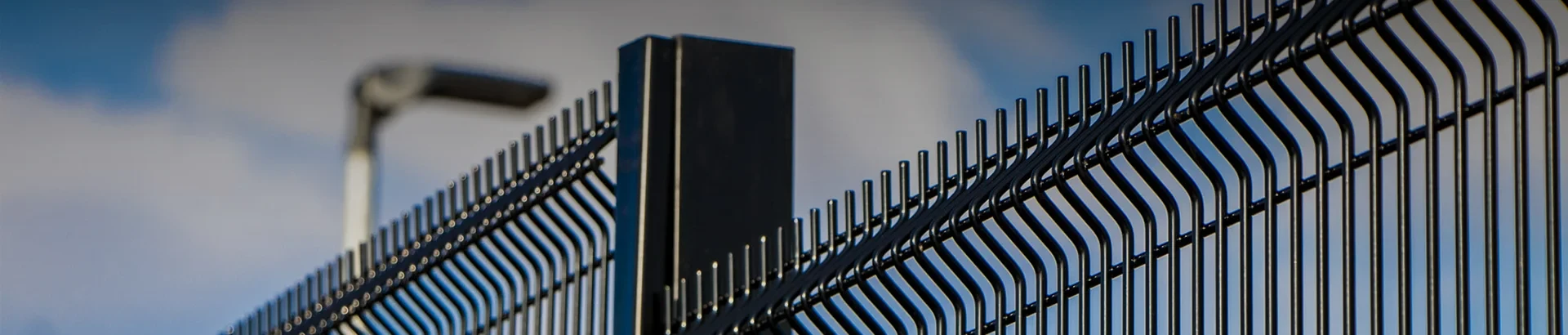
Weld wire mesh is a grid-like structure created by welding intersecting steel wires at precise intervals. Its uniform design and robust construction make it ideal for aquaculture, where structural integrity is critical.
1. Cage and Enclosure Construction
In open-water fish farming, weld wire mesh is used to build cages that confine species while allowing water to flow freely. The mesh’s corrosion-resistant coatings, such as galvanization, ensure longevity in saltwater or freshwater environments. Its rigidity prevents predator attacks and protects stock from escaping.
2. Tank and Pond Liners
Indoor aquaculture facilities often use tanks lined with weld wire mesh to reinforce walls and floors. The mesh provides structural support, prevents soil erosion in earthen ponds, and withstands constant exposure to moisture.
3. Algae and Biofouling Management
The tight spacing of weld wire mesh panels can be customized to block invasive algae or biofouling organisms, maintaining water quality and reducing maintenance costs.
4. Integration with Welded Wire Fabric Concrete
When combined with welded wire fabric concrete, the mesh adds tensile strength to concrete slabs used in raceways or processing areas, preventing cracks and extending infrastructure lifespan.
Roll Welded Wire Mesh: A Flexible Solution for Aquaculture Infrastructure
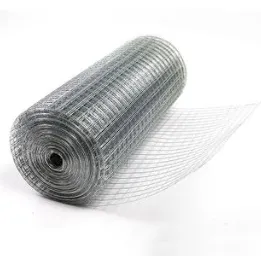
Unlike rigid panels, roll welded wire mesh offers unparalleled flexibility, making it easier to transport, install, and adapt to complex aquaculture layouts.
1. Ease of Installation
Roll welded wire mesh can be unrolled and cut to fit irregular shapes, such as curved pond edges or circular tanks. This reduces labor costs and accelerates project timelines.
2. Versatility in Applications
From creating floating cages to reinforcing silt barriers, the malleability of roll welded wire mesh supports diverse setups. Farmers can even shape it into cylindrical forms for shellfish farming or lobster traps.
3. Cost-Effectiveness
The lightweight nature of roll welded wire mesh lowers shipping expenses, while its reusability across seasons makes it a budget-friendly choice for small- and large-scale operations.
4. Compatibility with Welded Wire Fabric Concrete
When embedded into welded wire fabric concrete, the rolled mesh enhances load-bearing capacity in walkways, docks, and platforms, ensuring safe access for workers.
Enhancing Durability with Welded Wire Fabric Concrete in Aquatic Environments
Welded wire fabric concrete refers to concrete slabs or structures reinforced with steel mesh. In aquaculture, this combination is indispensable for building resilient infrastructure.
1. Reinforcing Pond Floors
Concrete pond floors reinforced with welded wire fabric concrete resist cracking under heavy loads, such as equipment or water pressure. The mesh distributes stress evenly, minimizing wear.
2. Constructing Hatcheries and Processing Units
Hatcheries require sterile, easy-to-clean surfaces. Welded wire fabric concrete provides smooth, non-porous floors that withstand frequent washing and disinfectants.
3. Preventing Erosion in Coastal Farms
In tidal zones, welded wire fabric concrete revetments armored with roll welded wire mesh protect shorelines from erosion caused by waves or storms.
4. Long-Term Cost Savings
Though initial costs are higher, structures using welded wire fabric concrete require fewer repairs over decades, offering a strong return on investment.
FAQs About Roll Welded Wire Mesh in Aquaculture
What Are the Key Advantages of Using Roll Welded Wire Mesh in Aquaculture?
Roll welded wire mesh offers flexibility, corrosion resistance, and ease of installation. Its adaptability allows farmers to customize enclosures for species-specific needs, while galvanized coatings ensure durability in harsh environments.
How Does Welded Wire Fabric Concrete Improve Aquaculture Infrastructure?
Welded wire fabric concrete adds tensile strength to concrete, preventing cracks and structural failures. This is vital for high-traffic areas like walkways or heavy-duty tanks, ensuring safety and reducing maintenance.
Can Zvárať drôtené pletivo Withstand Saltwater Conditions?
Yes! Most weld wire mesh is galvanized or PVC-coated to resist saltwater corrosion. Stainless steel variants are also available for extreme conditions, offering decades of service without degradation.
Is Roll Welded Wire Mesh Eco-Friendly?
Absolutely. Roll welded wire mesh is reusable and recyclable, aligning with sustainable aquaculture practices. Its durability also reduces the need for frequent replacements, minimizing waste.
Why Choose Roll Welded Wire Mesh Over Traditional Materials?
Unlike rigid panels or wooden structures, roll welded wire mesh is lightweight, easy to modify, and cost-effective. It supports rapid scalability, making it ideal for expanding operations or adapting to new species.
The integration of weld wire mesh, roll welded wire mesh, a welded wire fabric concrete into aquaculture systems has redefined industry standards. These materials offer unmatched durability, flexibility, and cost-efficiency, addressing challenges from predator control to infrastructure longevity. As aquaculture continues to grow, investing in these innovative solutions will ensure sustainable, profitable operations for years to come. Whether building cages, reinforcing concrete, or protecting coastlines, these products are the backbone of modern aquatic farming.
-
Wholesale 358 Security Fence Prison Mesh – Durable Perimeter Security Solutions | Building Wire Mesh
SprávyDec.09,2025
-
Wholesale Black Annealed Wire Specification & Vendor Comparison
SprávyDec.09,2025
-
Wholesale Soft Electro Galvanized Iron Wire | Trusted Industrial Supply
SprávyDec.09,2025
-
Wholesale Reinforcing Mesh For Concrete Building – Durable, Cost-Effective Solutions
SprávyDec.09,2025
-
Durable Wholesale PVC Coated 2x1x1 Gabion Boxes for Industrial Use
SprávyDec.08,2025
-
Wholesale Galvanised Heavy-Gauge Welded Wire Mesh – Durable Industrial Mesh
SprávyDec.08,2025
 English
 Afrikaans
 Albanian
 Amharic
 Arabic
 Armenian
 Azerbaijani
 Basque
 Belarusian
 Bengali
 Bosnian
 Bulgarian
 Catalan
 Cebuano
 Corsican
 Croatian
 Czech
Czech
 Danish
 Dutch
Dutch
 Esperanto
 Estonian
 Finnish
 French
 Frisian
 Galician
 Georgian
 German
 Greek
Greek
 Gujarati
 Haitian Creole
 Hausa
Hausa
 Hawaiian
 Hebrew
 Hindi
Hindi
 Miao
Miao
 Hungarian
 Icelandic
 Igbo
Igbo
 Indonesian
 Irish
Irish
 Italian
 Japanese
 Javanese
 Kannada
 Kazakh
 Khmer
Khmer
 Rwandese
 Korean
 Kurdish
 Kyrgyz
 Lao
Lao
 Latin
Latin
 Latvian
 Lithuanian
 Luxembourgish
 Macedonian
 Malgashi
 Malay
Malay
 Malayalam
 Maltese
 Maori
Maori
 Marathi
 Mongolian
 Myanmar
 Nepali
 Norwegian
 Norwegian
 Occitan
 Pashto
 Persian
 Polish
 Portuguese
 Punjabi
 Romanian
 Russian
 Samoan
 Scottish Gaelic
 Serbian
 Sesotho
 Shona
Shona
 Sindhi
 Sinhala
 Slovenian
 Somali
 Spanish
 Sundanese
 Swahili
 Swedish
 Tagalog
 Tajik
Tajik
 Tamil
Tamil
 Tatar
Tatar
 Telugu
 Thai
Thai
 Turkish
 Turkmen
 Ukrainian
 Urdu
Urdu
 Uighur
 Uzbek
Uzbek
 Vietnamese
 Welsh
Welsh
 Bantu
Bantu
 Yiddish
 Yoruba
 Zulu
Zulu
 Slovak